Amsterdam-based Royal Philips NV reported that it has come to terms with customers and end users of its respiratory equipment to the tune of $479 million, which will reimburse for the cost of these systems. The problem for the company is that the settlement does not affect any personal injury cases, and thus represents only a partial closure of a controversy that has dogged the company for several years.
Resmed Inc. has acquired Somnoware Inc., a privately held developer of respiratory care diagnostics software, for an undisclosed price. The deal is Resmed’s third software acquisition in the past year, having snapped up German software-as-a-service (SaaS) maker Medifox Dan GmbH for $1 billion in June 2022 and Mementor GmbH last August.
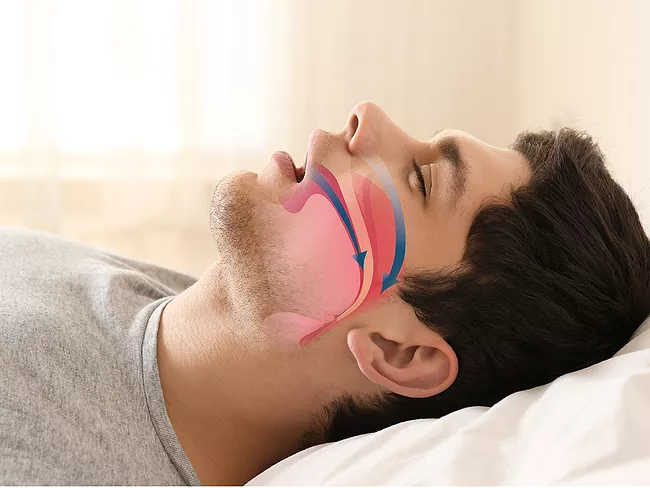
Apnimed Inc. is gearing up to start phase III testing with AD-109, a once-daily combination of atomoxetine and aroxybutynin that has the potential to be the first oral therapy to treat obstructive sleep apnea, following positive results from the phase IIb Mariposa trial.
Amsterdam-based Royal Philips NV has posted the data from the complete set of third-party testing of the polyester-based polyurethane (PE-PUR) sound abatement foam used in its first-generation CPAP and other devices, and the news is not good for the U.S. FDA. These third-party evaluations have concluded that the foam used in these first-generation devices is unlikely to exert any “appreciable harm” to patients, a conclusion that runs directly counter to the FDA’s implicit argument about the foam.
Royal Philips NV revealed plans to cut a further 6,000 jobs on top of the 4,000 announced in October as it sought to stabilize the business and improve its operational performance going into 2023. In total, the company will reduce its workforce by about 13%. Philip’s fourth quarter results came in ahead of consensus expectations, but the company still posted a loss of €105 million (US$108.2 million).
Just days after taking the helm of Royal Philips NV, CEO Roy Jakobs told shareholders that the company plans to “immediately reduce our workforce by around 4,000 roles globally” as a result of multiple challenges that contributed to poorer than expected third quarter results. The company posted a net loss for the quarter, missing consensus, which it attributed to continuing supply chain issues and the deteriorating economic environment.
For a company that dominates the market for devices designed to improve breathing during sleep, Royal Philips NV has had the devil of time catching its own breath over the last 15 months as it has issued wave after wave of recalls.
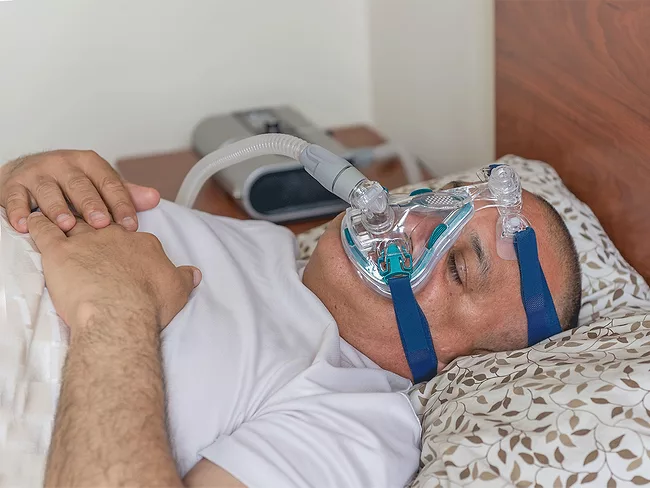
A variety of positive airway pressure (PAP) devices made by Philips Respironics Inc. have been subject to a lengthy and expensive recall due to the use of a problematic material in acoustic insulation foam, but now the company has a new headache in connection with its offerings. The FDA said this latest safety notification is due to the possible presence of a plastic that is contaminated with a non-compatible material, although this recall affects fewer than 400 units.
The recall of CPAP, BiPAP and ventilator devices made by Philips Respironics Inc., of Murrysville, Pa., is now in its second year, but the rate of reported adverse events was exceedingly low prior to the onset of the June 2021 recall. Those numbers continued to climb in May, June and July of 2022, however, reaching 48,000 medical device reports and 44 deaths said to be associated with the recalled devices, a pace that would easily overwhelm the volume of reports seen in the 12 months ending April 30, 2022.
Device servicing by third parties has been topical of late, although not in the context of continuous positive airway pressure (CPAP) systems. That seems likely to change thanks to the ongoing recall of CPAP machines made by Philips Respironics Inc., of Murrysville, Pa., which was driven by reports of degradation of foam used in the device for insulation.