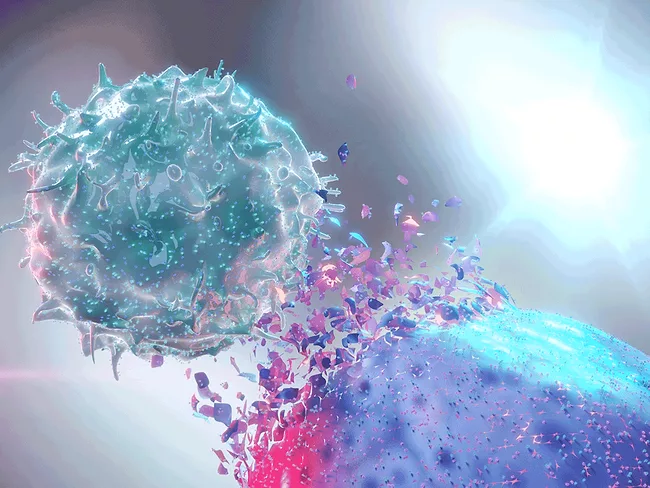
Indapta Therapeutics Inc. has gained IND clearance from the FDA to commence a first-in-human phase I trial of IDP-023, an allogeneic natural killer (NK) cell therapy, in patients with relapsed or refractory multiple myeloma and lymphoma, anticipated to begin in the second half of this year. The study will explore three different dose levels of Indapta’s G-NK cells alone and in combination with IL-2 and the monoclonal antibodies rituximab and daratumumab.
The Janus kinase/signal transducer and activator of transcription (JAK-STAT) pathway comprises four JAK kinases and seven STAT transcription factors. Among the latter, STAT3 is the best-known oncogene and its essential role in normal tissue makes its complete blockage useless for treatment due to severe side effects.
Researchers from Fochon Biosciences Ltd. have reported the discovery and preclinical evaluation of a novel second-generation B-cell lymphoma 2 (BCL2) inhibitor, FCN-683, being developed for the treatment of B-cell malignancies. FCN-683 showed the ability to potently and selectively inhibit both wild-type BCL2 (IC50=0.11 nM) and multiple clinically relevant venetoclax-resistant mutants, including G101V, D103E/V/Y, F104L, A113G, R129L and V156D.
A heart-protective cardiac myosin inhibitor and two biologics – one for a type of non-Hodgkin lymphoma and another for an inflammatory skin condition – were among the therapies recommended for approval by the EMA’s Committee for Medicinal Products for Human Use this week.
Quest Diagnostics Inc. evidently found what it was looking for, as it agreed to acquire Haystack Oncology Inc. in an all-cash deal valued at up to $450 million with $300 million at closing and $150 million contingent on meeting specific milestones. Haystack focuses on minimal residual disease (MRD) testing, which can detect residual or recurring cancer in its early stages and help guide therapy decisions using blood samples rather than biopsied tissue. The companies expect the transaction to close before the end of June.
A few weeks after Gossamer Bio Inc. said it was pausing enrollment in a phase Ib/II study of CNS-penetrant BTK inhibitor GB-5121 in relapsed/refractory CNS lymphoma, citing the drug’s risk/benefit profile observed to date and a prioritization of resources, the company is dropping the drug’s development entirely.
Northwest Agriculture & Forestry University has described thiazolecarboxamidine compounds acting as NADH-ubiquinone oxidoreductase (complex I) inhibitors reported to be useful for the treatment of cancer.
In the March 2023 issue of Science Immunology, researchers working at the City of Hope National Medical Center reported on the discovery the mechanisms by which the spliced X-box–binding protein 1 (XBP1s) served essential functions in the IL-15-dependent survival of natural killer (NK) cells. Since XBP1s is known to play critical roles in MHCII expression, the unfolded protein stress response, and ultimately tumorigenesis, the study provided deep insights into the understanding of NK cell biology with translational potential.