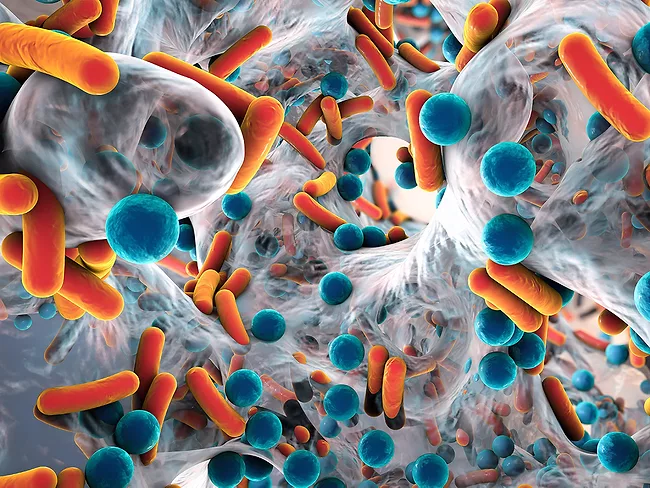
Scientists from the University of Queensland have created a new antibiotic that can neutralize various gram-positive bacteria in mice, including major threats such as methicillin-resistant Staphylococcus aureus (MRSA). In a recent study, published in the Sept. 14, 2022, issue of Science Translational Medicine, the new compound outperformed the approved antibiotic vancomycin, and destroyed tough-to-eradicate bacterial biofilms while prompting a low rate of resistance.
Scientists from the University of Queensland have created a new antibiotic that can neutralize various gram-positive bacteria in mice, including major threats such as methicillin-resistant Staphylococcus aureus (MRSA). In a recent study, published in the Sept. 14, 2022, issue of Science Translational Medicine, the new compound outperformed the approved antibiotic vancomycin, and destroyed tough-to-eradicate bacterial biofilms while prompting a low rate of resistance.
After raising AU$2.2 million in its series A round, University of Western Australia spinout Lixa Pty Ltd. has emerged from stealth mode and is gearing up for clinical trials of its anti-biofilm platform technology that could preserve antibiotics in the fight against antimicrobial resistance.
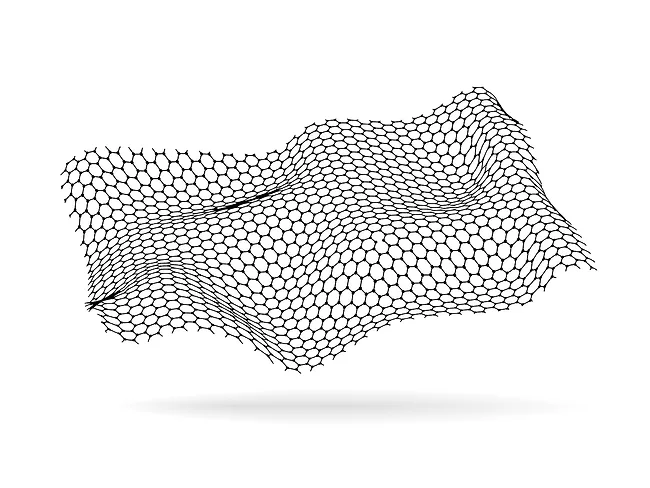
LONDON – Swedish researchers have devised a method for binding insoluble antibiotics to graphene coatings, in an advance that could prevent the formation of biofilms on medical implants. In comparison to other long-winded methods for loading antibiotics onto implant surfaces, they say the way in which they bind active molecules to graphene is simple and could easily be integrated into manufacturing processes.
A new 3D printing technique has allowed University of Nottingham researchers to tailor-make artificial body parts and other medical devices that are both implantable and bacteria-resistant. The multi-materials manufactured in the study were also adapted to 3D printing technology that is able to offer devices that can better meet the need of the patient and minimize the surgeries led by device failure that increase the risk of infections.
BOGOTA, Colombia – Researchers at the National University of Córdoba, in Córdoba, Argentina, have developed a technique to optimize the biofunctions of surfaces and inhibit microorganisms such as Staphylococcus aureus from adhering to and building colonies on solid substrates’ surfaces.
Garwood Medical Devices LLC's biofilm disruption device, Bioprax, has received breakthrough device designation from the U.S. FDA. Bioprax turns metal implants into electrodes and uses low-voltage electricity to eliminate the bacteria associated with biofilm infections.