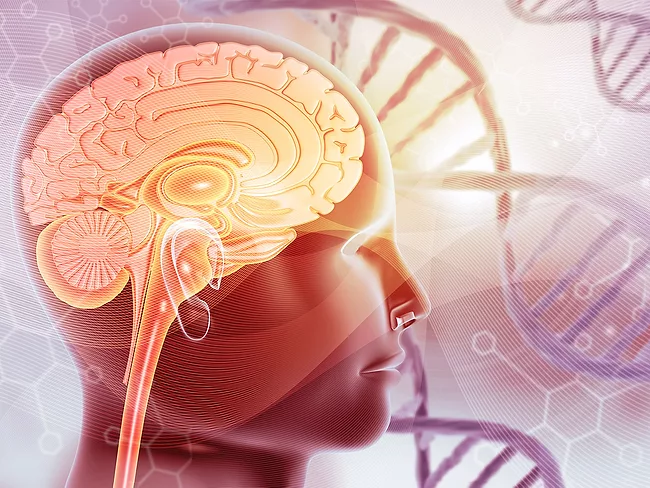
Neurodevelopmental disorders related to protein phosphatase 2A (PP2A) have been recently renamed as Houge-Janssens syndrome and they are caused by heterozygous, de novo pathogenic genetic variants in the PPP2R5D, PPP2R1A or PPP2CA genes. The syndrome is characterized by features such as intellectual disability, autism, developmental delay, seizures or brain abnormalities, among others.
Researchers from Guangzhou Medical University and affiliated organizations presented data from a study that aimed to investigate the disease-causing mechanism of EP400, a gene that encodes the E1A binding protein p400, which is a core catalytic ATPase subunit of ATP-dependent chromatin remodeling complexes.
Mitoribosomes are present in the mitochondria of all eukaryotic cells. Their function is to allow the translation of mitochondrial mRNA that exclusively encodes components of the oxidative phosphorylation complexes (OXPHOS).
Researchers from Tel Aviv Sourasky Medical Center presented data from a study that aimed to investigate the genetic mechanisms underlying yellow nail syndrome (YNS), a rare disorder characterized by three features, namely yellow dystrophic nails, lymphedema and chronic lung disease.
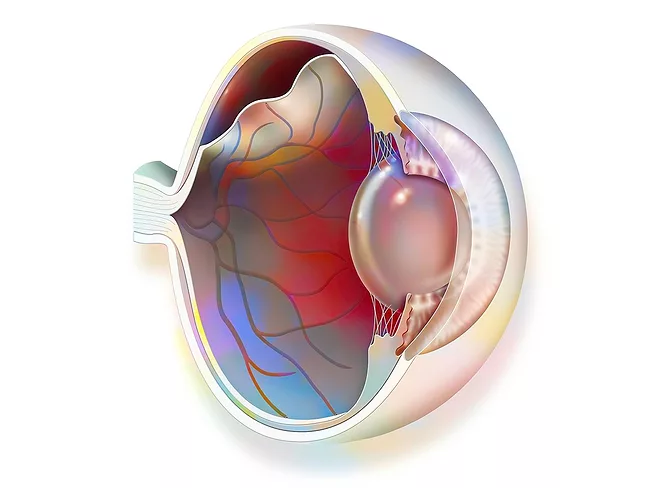
Researchers from the U.K. have analyzed whole-genome sequencing data from 7,276 cases and 236,741 controls in the UK Biobank to perform gene-level and a variant-level exome-wide association study analysis to identify variants related to retinal detachment.
At the annual meeting of the American Society for Human Genetics, scientists presented three new cases of Kabuki syndrome presented with developmental delay, autism and myopia as the common traits.
Autoimmune polyendocrinopathy-candidiasis-ectodermal dystrophy (APECED) is a monogenic autoimmune disease caused by biallelic genetic variants in the AIRE gene, encoding autoimmune regulator protein.
Italian researchers have presented a case study of pediatric advanced sleep-wake phase syndrome in a 4-year-old girl. Autosomal dominant forms of this syndrome due to loss-of-function mutations in the gene coding casein kinase I isoform delta (CSNK1D) have previously been described.
The homeostasis of cytosolic calcium (Ca2+) is crucial for several physiological functions such as cell motility and neuronal transmission, among others. In this process, the inositol 1,4,5-trisphosphate receptor type 3 (ITPR3) plays a key role in the release of intracellular Ca2+.