Xenter Inc. has officially launched, positioning itself as the first startup device/data/drug med-tech company. The company is developing wireless solutions for interventional cardiology, interventional radiology and neurointerventional radiology. The company’s goal is to take the medical devices that have been used most ubiquitously throughout medicine, one by one, and replace them with smart technologies that incorporate such things as software, sensors and signals technologies.
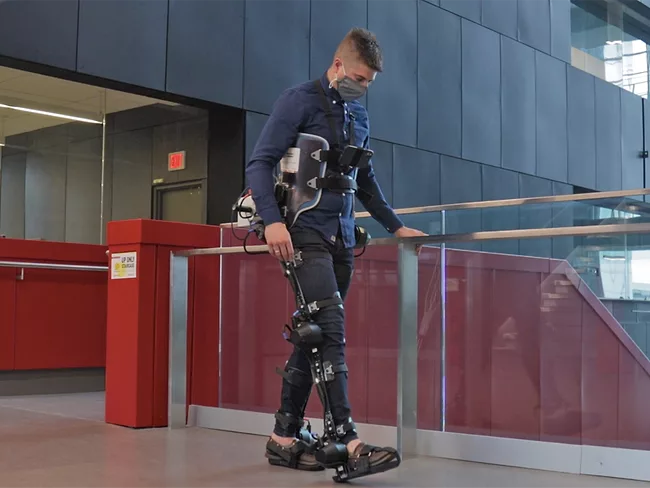
TORONTO – Robotics researchers at Ontario’s University of Waterloo are stealing a page from makers of autonomous or self-driving vehicles, developing wearable, motor-controlled technology to restore physical mobility in people with disabilities without the need to think about or guide the system. The project, called Exonet, is being led by Brokoslaw Laschowski, who contrasts this approach with engineers ramping up the ability of users to control the exoskeleton.
Somalogic Inc. has agreed to go public via a merger with blank-check company CM Life Sciences II. Upon closing, CMLS II – a special purpose acquisition company (SPAC) sponsored by affiliates of Casdin Capital LLC and Corvex Management LP – will be renamed Somalogic and its common stock listed on the Nasdaq Global Market under the ticker symbol SLGC.
The U.S. FDA has granted breakthrough device designation to Tempus Inc. for its ECG Analysis Platform. Developed in collaboration with Geisinger, the artificial intelligence (AI)-powered platform helps clinicians identify patients at increased risk of developing atrial fibrillation (AF) or atrial flutter.
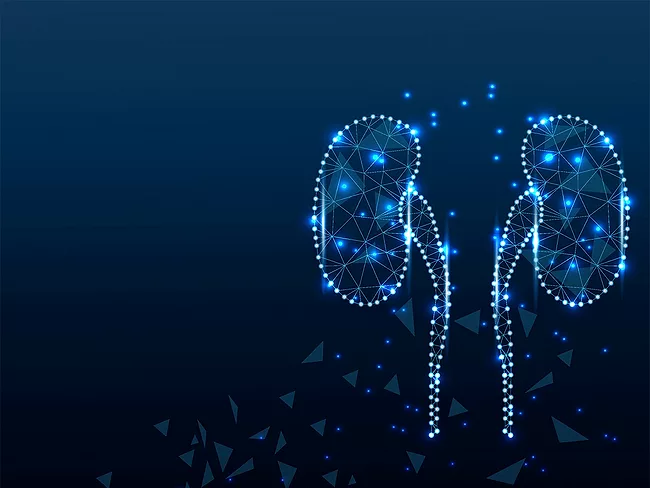
Strive Health LLC has raised $140 million in a series B funding round led by Capitaig, Alphabet’s independent growth fund. The round also includes Redpoint Ventures, and current investors NEA, Town Hall Ventures, Ascension Ventures, and Echo Ventures. This funding round brings the Denver-based kidney care company’s total funding to $223.5 million.
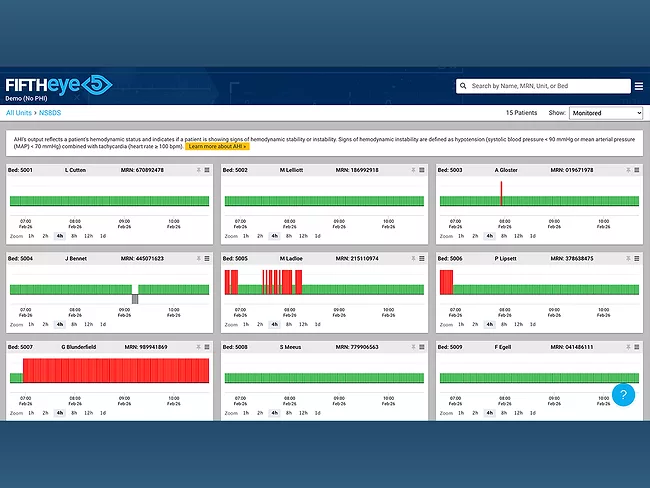
The FDA has granted de novo authorization to Fifth Eye Inc. for its Analytic for Hemodynamic Instability (AHI), a machine learning (ML)-based, real-time indicator of patient deterioration. Commercialization of the software device, which continuously monitors patients with an electrocardiogram (ECG) for signs of deterioration, got underway on March 1.
Investing in biopharma has never been for the faint of heart. So headline figures unveiled from a clinical development success report during the BIO CEO & Investor Conference Feb. 17, putting the average likelihood of a drug entering phase I development ultimately achieving approval at 7.9% and the average drug development timeline at 10.5 years, appear largely unsurprising. But the addition of machine learning capabilities to the mix helped identify those factors that have the greatest impact on predictive outcome.
Diagnostics innovator Renalytix AI plc and dialysis giant Davita Inc. partnered to develop a program to identify individuals with early-stage kidney disease and improve outcomes for the 37 million Americans with chronic kidney disease (CKD). The companies plan to launch the collaborative effort in three cities in 2021 to build a diverse, real-world evidence dataset as a base for moving forward.
The U.S. FDA has issued an action plan for regulation of artificial intelligence and machine learning (AI, ML), which includes issuance of a draft guidance for change control for adaptive algorithms. There is no guarantee a final guidance will emerge before 2022, however, leaving developers with another year – perhaps longer – of uncertainty as to how to handle change control for their algorithms.
The COVID-19 pandemic has been more than just a distraction for the U.S. FDA, which started 2020 with a number of ambitions regarding digital health regulation. Despite having unveiled the Digital Health Center of Excellence to great fanfare, the agency is struggling to wrap up major digital health programs, such as the precertification program for software as a medical device, leaving the FDA with a daunting agenda for digital health in the coming year.