John Squires, the recently anointed director of the U.S. Patent and Trademark Office, has determined that a machine learning (ML) patent application met the standard for patent subject matter eligibility, an outcome that seems to bode well for ML-based patent applications going forward.
Researchers from the University of California, Davis (UC-Davis) continue to assemble intellectual property in support of their development of methods and techniques which improve the accuracy of wearable sensor technologies.
AI and machine learning products have proven complicated for regulatory authorities across the globe, but entities in the business of conducting health technology assessments also have their hands full according to several sources.
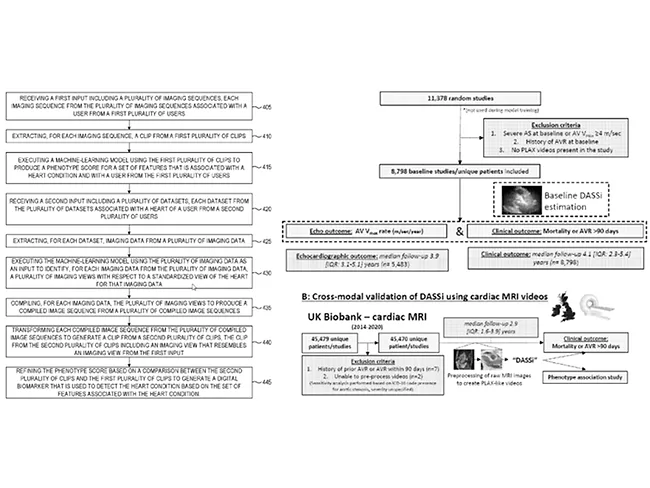
Researchers from the Yale University filed for protection of a multi-modal approach to predict the progression risk of a heart condition using artificial intelligence algorithms applied to cardiovascular videos.
Roche AG subsidiary Chugai Pharmaceutical Co. Ltd. and Singapore’s Gero Pte. Ltd. plan to tackle age-related diseases by collaborating to identify drug targets through Gero’s AI-driven human data-first platform.
Roche AG subsidiary Chugai Pharmaceutical Co. Ltd. and Singapore’s Gero Pte. Ltd. plan to tackle age-related diseases by collaborating to identify drug targets through Gero’s AI-driven human data-first platform.
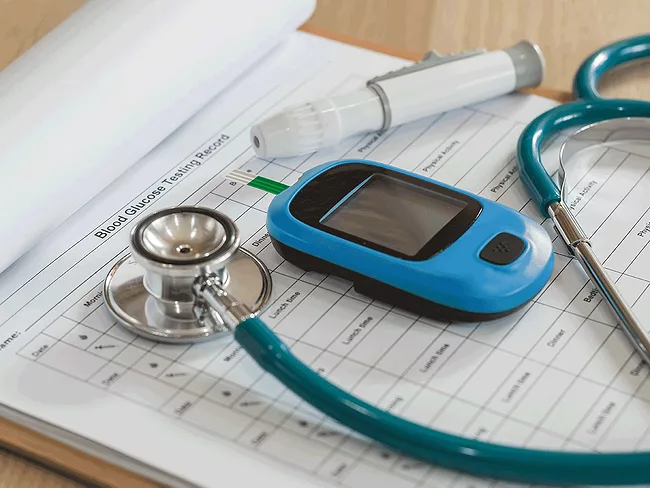
Classically, the diagnosis of type 1 diabetes comes after a patient presents with unexplained weight loss, extreme thirst and frequent urination and a lab test reveals off-the-charts blood glucose levels. At the 85th Scientific Sessions of the American Diabetes Association in Chicago, researchers highlighted two options – a blood test and a machine learning model – for diagnosing the disease much earlier in its progression, when damage to the pancreas' beta cells could be slowed.
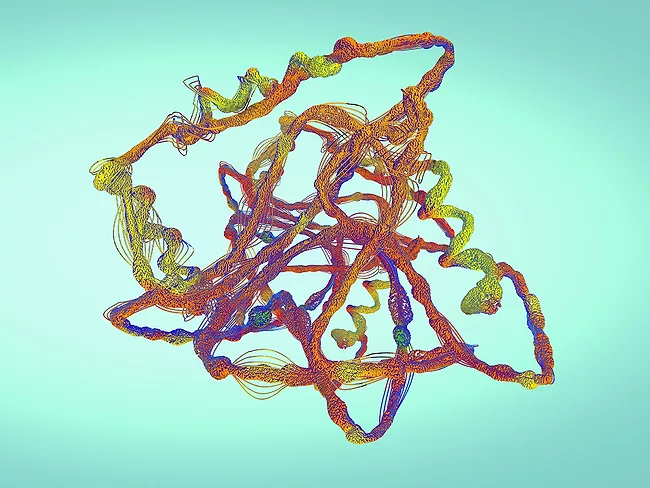
The Alphafold machine learning system for predicting a protein’s structure from its amino acid sequence has been adapted to make it possible to design de novo proteins that fold in a particular way and bind to prespecified target proteins. The sister system, called Alphadesign, works by generating random strings of amino acids, using Alphafold to predict their structure, and then iteratively optimizing the design.
For years, the biopharma industry has spent increasing amounts of money on R&D without improving success rates, leaving many executives searching for new, more predictable drug development paths.
The Alphafold machine learning system for predicting a protein’s structure from its amino acid sequence has been adapted to make it possible to design de novo proteins that fold in a particular way and bind to prespecified target proteins. The sister system, called Alphadesign, works by generating random strings of amino acids, using Alphafold to predict their structure, and then iteratively optimizing the design.