Despite the advancement of AI and machine learning technologies and their incorporation into cancer treatment and drug development, a lack of trust and understanding of these new approaches is impeding care and treatment.
Despite the advancement of AI and machine learning technologies and their incorporation into cancer treatment and drug development, a lack of trust and understanding of these new approaches is impeding care and treatment.
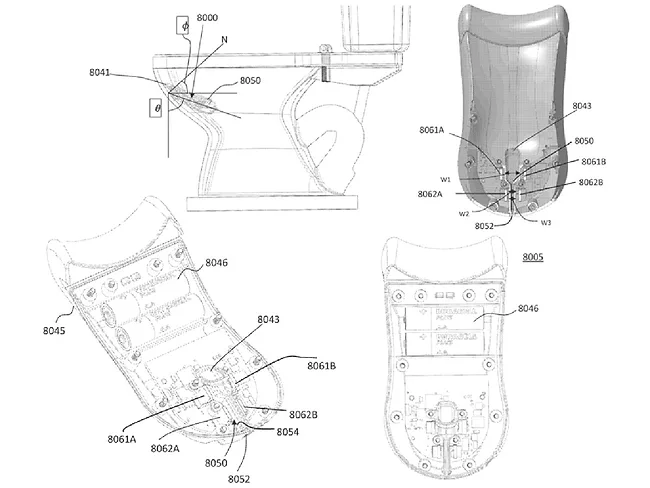
In what represents just the company’s third PCT filing, Houston-based Starling Medical Inc.’s co-founders, Hannah McKenney and William Hendricks, seek to gain further protection for their at-home urine diagnostic patient-monitoring platform that eliminates the traditional use of catching containers and dipsticks.
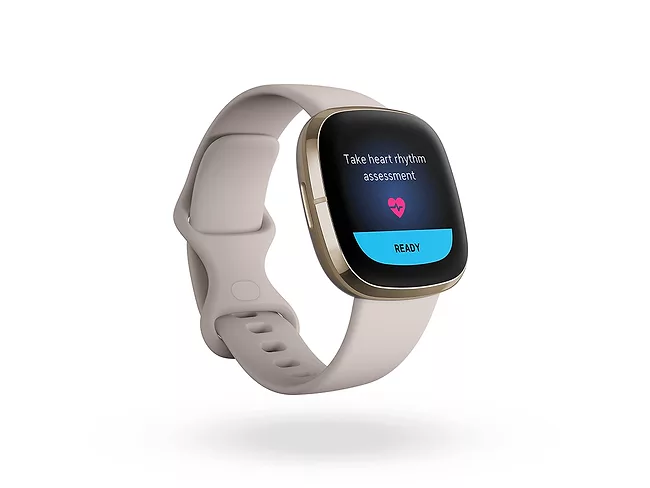
Using step counts and heart rate readings from Google’s Fitbit devices, a machine learning model accurately predicted the risk of hospitalization, a study presented at Heart Rhythm 2025 found. The study used data from participants in the National Institutes of Health’s All of Us research program.
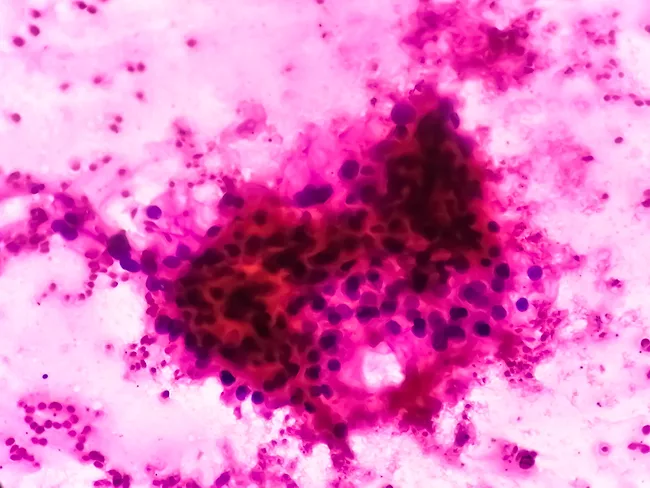
Researchers from First Affiliated Hospital of Zhengzhou University published results from a study that aimed to investigate the mechanisms by which programmed cell death and mitochondrial function influence prognosis and immunotherapy response in renal cell carcinoma (RCC), and to identify novel therapeutic targets for this disease.
A panel at Biocom California’s 15th Annual Global Life Science Partnering & Investor Conference covered the emerging use of artificial intelligence (AI) to discover and develop drugs. “We’re in a very different place than we were five years ago, or even three years ago, even two years ago, from our ability to harness AI to make advances,” Marc Tessier-Lavigne, CEO of South San Francisco-based Xaira Therapeutics Inc., told the audience, adding that the development is actually accelerating.
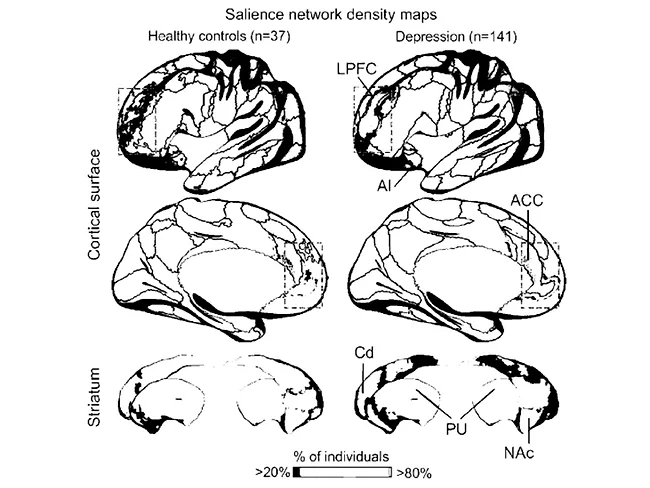
Researchers from Weill Cornell University filed for protection of discoveries made from investigations into the mechanisms underlying depression, which revealed that a specific brain network is significantly larger in individuals affected by depression.
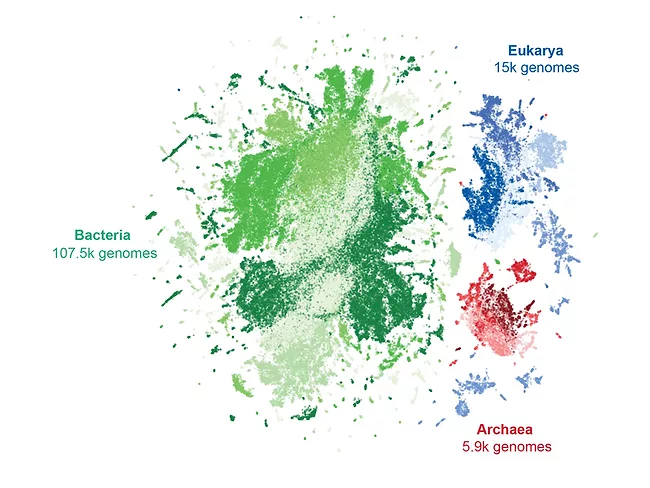
A new version of Evo, the AI developed at the Arc Institute that can be used to design genomes as long as that of a bacterium, has been retrained with the DNA sequences of three domains of life – viruses, bacteria and eukaryotes.
The first patenting from Theta Neurotech Inc. sees the company’s co-founders describe their development of a wearable earpiece that uses an electroencephalography technology and machine learning algorithms to alert epilepsy patients 30 to 60 minutes before they have a seizure.
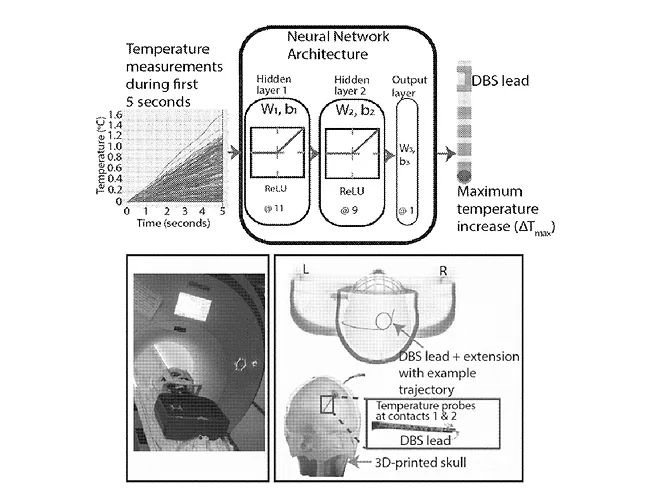
A recent patent application from Laleh Rad, associate professor of Biomedical Engineering and Radiology at Northwestern University, describes the use of machine learning for real-time risk assessment of magnetic resonance imaging in patients with conductive implants for whom tissue heating from radiofrequency excitation fields remains a major concern.