A neurostimulation device developed to treat focal epilepsy has received breakthrough device designation from the FDA. Precisis AG’s Easee [Epicranial Application of Stimulation Electrodes] minimally invasive system is designed to deliver individualized brain stimulation without neurosurgery. The electrode is placed subcutaneously on the cranium and a current is applied to the affected brain area to prevent or mitigate seizures.
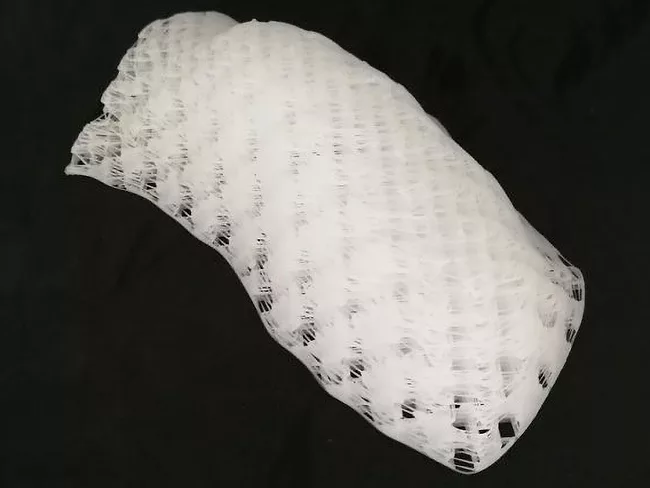
PARIS – Bellaseno GmbH reported publication of first-in-human data for its 3D-printed biodegradable and highly porous Senella scaffold filled with autologous fat graft to correct a chest deformation in a 22-year-old patient with severe pectus excavatum. The article was published in the European Journal of Plastic Surgery.
The rise of large national health care systems, mainly in Europe, has created an ongoing tension with the free market ethos of the pharma industry. After years of painstaking and costly research, drug makers want that moment when they can reap the rewards for their hard work bringing an innovative new therapy to the market. But in countries in Europe and beyond where there are national health care systems with stringent cost constraints, it’s not feasible to meet these price demands, at least without some form of rationing to keep down expenditure.
Even as antimicrobial resistance is expected to continue to grow, the development of much-needed novel antibiotics and antifungals remains trapped in a catch-22 in which funding is available for early stage research but not necessarily for the translational work necessary to bring the drugs to market.
Hoping to get Germany to drop its opposition to a proposed World Trade Organization (WTO) waiver of intellectual property (IP) rights, several U.S. lawmakers have asked to meet with German Chancellor Angela Merkel when she’s in Washington for a July 15 summit with President Joe Biden.
PARIS – One year on from launch, Digitale Gesundheitsanwendungen (DiGA), or digital health applications, are gaining widespread acceptance in Germany. Digital therapeutics (DTx) have been available since 2020 to the 73 million people in Germany covered by public health.
Merck KGaA is partnering with Neuroloop GmbH, a subsidiary of B. Braun SE, to develop a neurostimulator device that can complement existing drug therapies for people with chronic inflammatory diseases. The collaboration aims to adapt Neuroloop’s neurostimulation platform to enable targeted treatment of chronic inflammatory ailments. The new bioelectronics program intends to open up new technologies and markets that are close to Merck’s electronics and health care business sectors.
With $41 billion in sales, the medical technology market in Germany leads Europe, followed by France and Italy, which each manage only half the sales of Germany each month. The U.K., in fourth place, barely sees one-fifth of Germany's revenues, according to a report from BVMed, the German association of medical device manufacturers. German firms also reported a 4.9% reduction in business in 2020 due principally to the COVID-19 pandemic.
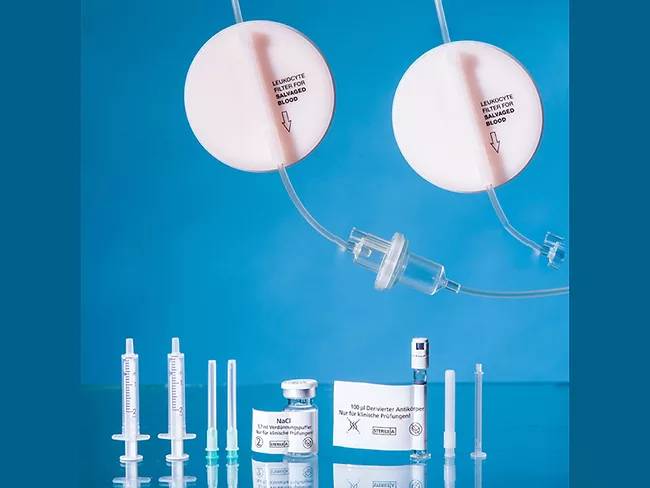
BERLIN – Lindis Blood Care GmbH launched a multicenter clinical EU certification study for Catuvab, which is used to eliminate tumor cells from surgical blood. The experiment, dubbed Remove, aims to confirm that Catuvab can reliably remove epithelial cell adhesion molecules (EPCAM)-positive tumor cells from patient blood during cancer surgery.
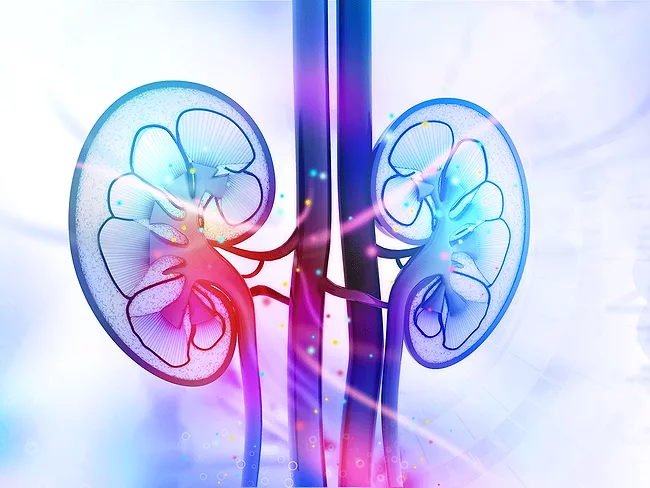
Berlin – Fresenius SE & Co. KGaA reported that its global division, Fresenius Medical Care, and its Frenova Renal Research division have enrolled the first subjects in its new initiative to develop the largest genomic registry in the world to focus on kidney disease. At the same time, the German firm also announced that Ali Gharavi, chief of the division of nephrology at Columbia University Irving Medical Center, will lead the project and provide scientific guidance as principal investigator.