Arcus Biosciences Inc. recently disclosed the chemical structure of AB-521 (casdatifan), an orally available small-molecule inhibitor of hypoxia-inducible factor 2α (HIF-2α) in early clinical development for the treatment of advanced solid tumors with a high prevalence of molecular alterations associated with pseudohypoxia, such as clear cell renal cell carcinoma (ccRCC).
Radiopharmaceutical company Telix Pharmaceuticals Ltd. received a U.S. FDA refusal to file letter for its BLA seeking approval of renal cancer imaging agent TLX250-CDx (89Zr-DFO-girentuximab) for clear cell renal cell carcinoma (ccRCC).
Researchers from University of Tsukuba published data from a study designed to identify novel biomarkers for predicting treatment responses to nivolumab plus ipilimumab combination therapy.
Aveo Pharmaceuticals Inc., a LG Chem Ltd. subsidiary, said that Fotivda (tivozanib) in combination with Bristol Myers Squibb Co.’s Opdivo (nivolumab) failed to increase progression-free survival (PFS) in advanced kidney cancer patients in a phase III Tinivo-2 study. Despite the primary endpoint miss, Aveo noted that Fotivda alone, or as a monotherapy, in the control arm meaningfully extended median PFS, helping “further support the approved use of Fotivda as a safe and effective treatment option in relapsed or refractory advanced [renal cell carcinoma] RCC following two or more prior systemic therapies.”
Aveo Pharmaceuticals Inc., a LG Chem Ltd. subsidiary, said that Fotivda (tivozanib) in combination with Bristol Myers Squibb Co.’s Opdivo (nivolumab) failed to increase progression-free survival (PFS) in advanced kidney cancer patients in a phase III Tinivo-2 study. Despite the primary endpoint miss, Aveo noted that Fotivda alone, or as a monotherapy, in the control arm meaningfully extended median PFS, helping “further support the approved use of Fotivda as a safe and effective treatment option in relapsed or refractory advanced [renal cell carcinoma] RCC following two or more prior systemic therapies.”
Recursion Pharmaceuticals Inc. has synthesized molecular glue degraders acting as RBM39 degradation inducers reported to be useful for the treatment of renal cell carcinoma.
Adicet Bio Inc. has obtained FDA clearance of its IND application to evaluate ADI-270, an armored allogeneic λδ CAR T-cell therapy candidate targeting CD70-positive cancers, for the treatment of relapsed or refractory renal cell carcinoma (RCC).
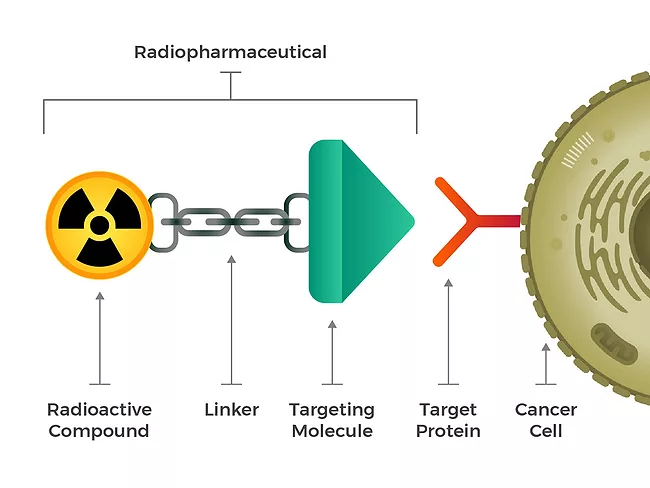
Researchers from Peptidream Inc. presented preclinical characterization of novel carbonic anhydrase IX (CAIX)-targeting radiopeptides, [64Cu]PD-32766 and [177Lu]PD-32766, being developed for the diagnosis and treatment of clear cell renal cell carcinoma (ccRCC), respectively.
Peptidream Inc. has reported that an early-phase clinical trial for 64Cu-PD-32766, a 64Cu-labeled radiopharmaceutical targeting carbonic anhydrase IX (CAIX), for patients with clear cell renal cell carcinoma has been approved by the clinical review board of the National Cancer Center Hospital East in Japan.
Recursion Pharmaceuticals LLC has described molecular glue degraders comprising DDB1- and CUL4-associated factor 15 (DCAF15) and RNA-binding protein 39 (RBM39) protein acting as RBM39 degradation inducers and RBM39/DCAF15 interaction inducers reported to be useful for the treatment of renal cell carcinoma.