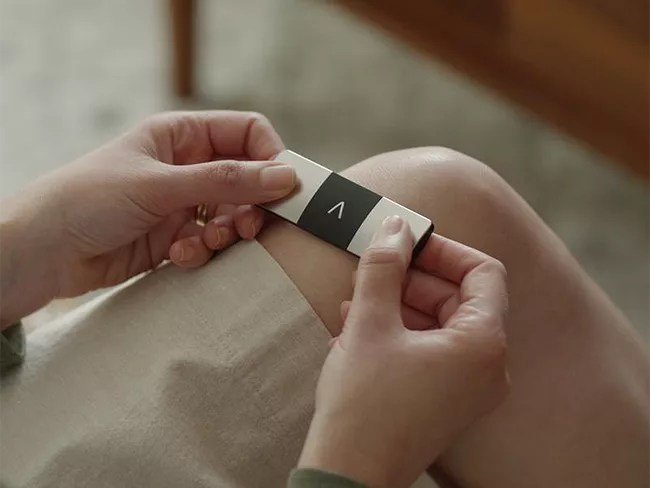
Alivecor Inc. has elevated its patent dispute with Apple Inc. to the U.S. International Trade Commission (ITC) in a move that could damage the latter’s foray into digital health. Alivecor is alleging that Apple, of Cupertino, Calif., has infringed on Alivecor patents for electrocardiogram monitoring technology, a development that may foreshadow a continuing legal struggle between the two companies for a large and rapidly growing market.
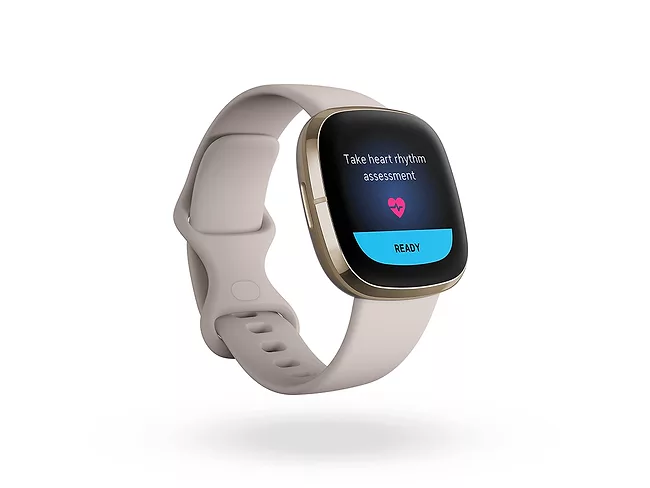
Fitbit Inc. and Apple Inc. picked up the pace in their race to put health monitoring apps on wrists everywhere with Fitbit gaining 510(k) clearance from the U.S. FDA for its new ECG app for the Fitbit Sense and Apple revealing the blood oxygen sensor built into its Series 6 watch this week. The new apps join a growing array of technological advances that permit wearable devices to track and record a range of health metrics.
The case of Fitbit Inc. v. Valencell Inc. has seen the usual number of twists and turns as it wended its way through Article III courts and an inter partes review (IPR), but a U.S. Supreme Court case that requires that all claims in an IPR be reviewed was decided during the Fitbit IPR.
BOGOTA, Colombia – Alivecor Inc., of Mountain View, Calif., is taking its Kardiamobile solution to capture medical-grade ECGs to the Mexican market after receiving clearance from the Comisión Federal para la Protección contra Riesgos Sanitarios, that country’s health care authority.
Stanford University School of Medicine and Apple Inc.have published results from the largest digital-only study. The trial has been conducted in more than 400,000 people in the U.S. over more than eight months. It was set up to screen participants via their Apple Watch for heart irregularities and then to further monitor any of those with identified issues with a wearable ECG patch.
Tech giant Google LLC is taking aim at the Apple Watch with its plan to acquire wearables pioneer Fitbit Inc., of San Francisco, for $2.1 billion, or $7.35 per share, in an all-cash transaction expected to close sometime next year.
BOSTON – How are some of the newer technologies and players being harnessed to address the needs of aging populations? That question kicked off a session titled "Revolutionizing the Silver Economy," which took place at the Medtech Conference in Boston on Monday.
Screening for early signs of cognitive impairment and dementia amongst the elderly is a task that's often unevenly attended to by primary care physicians. But the routine personal consumer devices that we use every day might offer a clearer and more consistent window into early declines in cognitive and memory function, according to data from a feasibility study that were reported this week at the Association for Computing Machinery's Knowledge, Discovery and Data Mining conference in Anchorage, Alaska.