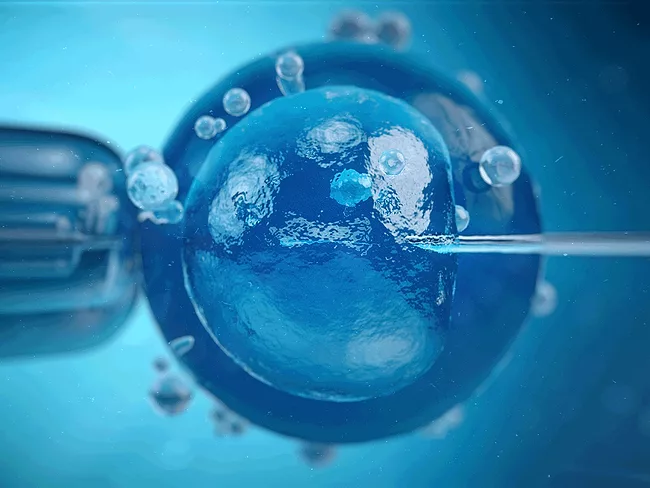
Scientists at Newcastle University U.K., have reported the births of eight healthy babies following mitochondrial transfer, in which the fertilized egg of a woman carrying mutations in their mitochondrial DNA was placed in the enucleated egg of a non-carrier.
With the use of 3D printing and microfluidics, Fertilis Pty Ltd. hopes to triple the success rates of in vitro fertilization (IVF) by improving embryo quality and quantity.
Choosing blastocysts for transfer based on size could give prospective parents a much better chance of success in welcoming a new member to the family, a study published in the Nature portfolio journal Scientific Reports demonstrates.
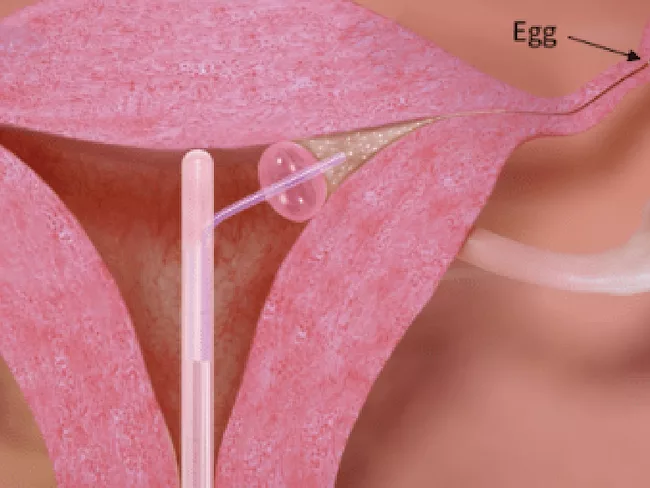
Femasys Inc. revised the design for its Femaseed pivotal trial to focus on couples experiencing male factor infertility, which accounts for about half of all cases of infertility today. Femaseed delivers sperm directly to the fallopian tube where an egg is released. As a result of the redesign, the Femaseed trial will need just one-quarter the number of treatment cycles originally anticipated.
For the one in eight couples struggling to conceive, the improvements in infertility treatments achieved by employment of artificial intelligence (AI) in diagnostics, personalized therapies and embryo selection may soon mean the difference between childlessness and the family of their dreams.
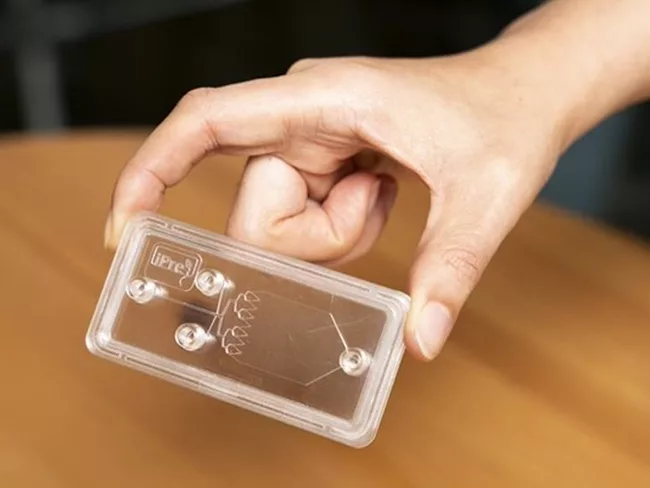
Ipreg Inc. developed a sperm-sorting chip to increase the fertility rate and fill in the blind spots that come with the in vitro fertilization (IVF) process. The chip also increases the purity of healthy sperm to 90% while posing minimum damage to the DNA.
Two Israeli companies aiming to improve in vitro fertilization (IVF) success rates received good news recently, with Aivf Ltd. hauling in $25 million in a series A round for Ema, its IVF software platform, and Fairtility Ltd. gaining CE mark for its CHLOE EQ embryo quality decision-support tool.
Proving that reproduction remains a fecund market for investment, Israeli startup Fairtility Ltd. closed a $15 million series A funding round. Led by Boston-based Gurnet Point Capital with support from Nacre Capital and others, the round boosted Fairtility’s funding to date up to $18.5 million.
Fairtility Ltd.’s artificial intelligence (AI)-trained embryo classification system offers patients struggling with infertility and their physicians a better way to maximize the likelihood of implantation following in vitro fertilization (IVF) without the risk of a multiple pregnancy, a study in the Nature portfolio journal Scientific Reports found.
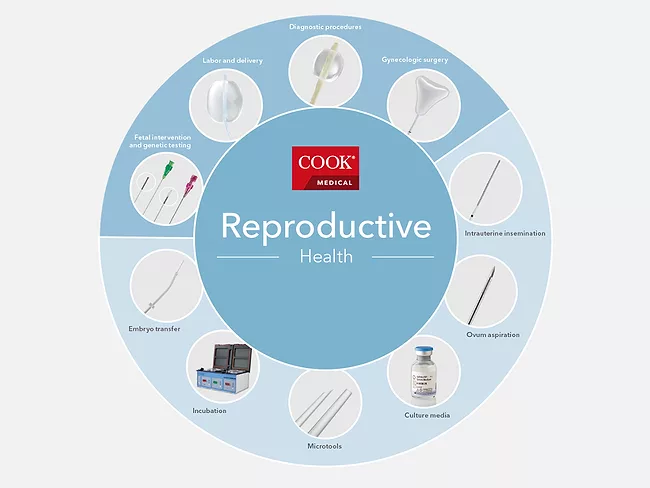
The Cooper Companies Inc. plans to acquire the entirety of Cook Medical Inc.’s reproductive health business in this fiscal quarter for $675 million at closing plus $200 million paid in four $50 million annual installments. The acquisition will expand Cooper’s presence in the Asia-Pacific region. The Cook deal will also accelerate Cooper’s labor and delivery medical device efforts by adding 115 people sales, marketing, education and support staff globally.