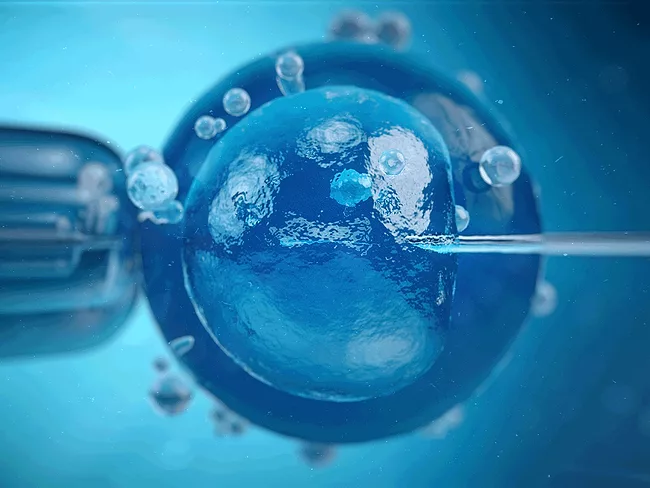
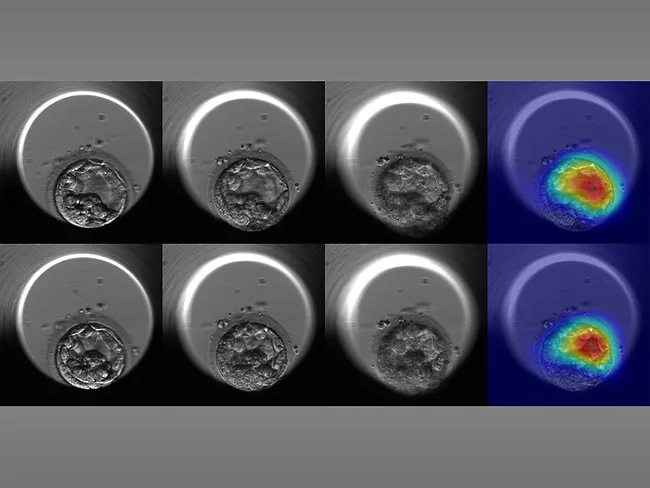
Canadian company Future Fertility Inc. is hatching plans to expand the user base for its flagship egg prediction software product, Violet, for egg cryopreservation. The noninvasive image analysis tool uses artificial intelligence (AI) to evaluate the reproductive potential of mature eggs. Investors are backing the Toronto-based company with $6 million in series A funds, so it can expand internationally and develop additional assessment products.
PERTH, Australia – Health care artificial intelligence (AI) company Harrison.ai has raised AU$129 million (US$97 million) in a series B round that will expand the company’s global footprint by commercializing its comprehensive clinical AI applications.
Peking Jabrehoo Med Tech Co. Ltd.’s genetic testing kit won marketing approval from China’s NMPA. It is the first preimplantation genetic testing for aneuploidy (PGT-A) that uses the reversible termination sequencing method in China, according to the company.
A study presented this week at the European Society of Human Reproduction and Embryology (ESHRE) annual conference demonstrated that the noninvasive artificial intelligence (AI) technology developed by Aivf Ltd. can instantly differentiate between genetically normal and abnormal human embryos, increasing the likelihood of successful pregnancy for couples using in vitro fertilization.
Suzhou Basecare Medical Corp. Ltd., a genetic test developer for assisted reproduction, raised HK$1.82 billion (US$235 million) in an initial public offering on the Hong Kong Stock Exchange on Feb. 8, with shares opening nearly 10% higher. The IPO will support the company to continue to develop pre-implantation genetic (PGT) testing products for assisted reproduction.
DUBLIN – Obseva SA's stock plunged 65% Thursday on news that it was terminating development of its in vitro fertilization (IVF) drug, nolasiban, after it missed the primary endpoint of a confirmatory phase III trial. The result blindsided both Obseva and investors, as the outcome was at odds with that of a previous phase III study, Implant 2, which had demonstrated a statistically significant and clinically relevant improvement in the rate of successful pregnancy at 12 weeks.