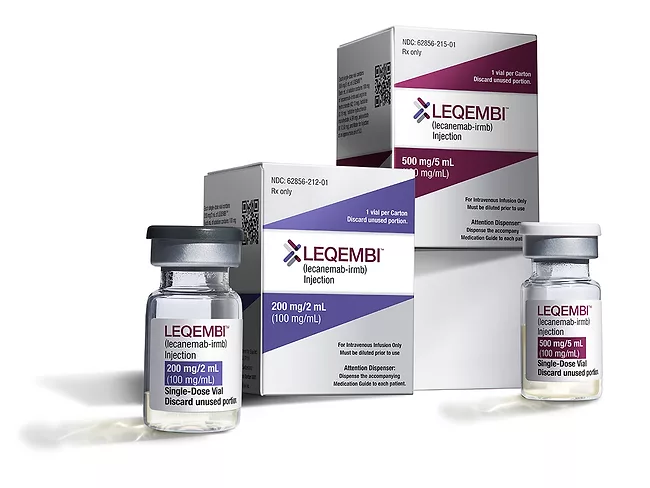
As the clock ticks toward the “full,” or traditional, approval date for Biogen Inc./Eisai Co. Inc.’s Alzheimer’s drug, Leqembi (lecanemab), the U.S. Centers for Medicare & Medicaid Services (CMS) is facing increasing pressure to get the structures in place to ensure Medicare beneficiaries have access to the drug when the approval comes.
Danco Laboratories LLC’s abortion pill, Mifeprex (mifepristone), and a generic will remain on the U.S. market with tighter restrictions while a challenge to the drug’s 2000 accelerated approval and the FDA’s subsequent loosening of prescribing requirements plays out on appeal. That is unless the Supreme Court says otherwise.
The possibilities of cures for cancer and other tough-to-treat diseases and the ability to further personalize medicine are creating a lot of excitement about the future of radiopharmaceuticals as both therapy and diagnostics. To reach that future, industry and researchers will have to overcome a lot of challenges, not the least of which stem from the multiple government agencies involved in regulating the source material, development, distribution and use of radioactive drugs and devices.
Hundreds of executives from biopharma companies are signing onto an April 10 letter decrying a U.S. district judge’s decision last week to stay the FDA approval of mifepristone, which is used in more than half of all abortions in the U.S.
The possibilities of cures for cancer and other tough-to-treat diseases and the ability to further personalize medicine are creating a lot of excitement about the future of radiopharmaceuticals as both therapy and diagnostics. To reach that future, industry and researchers will have to overcome a lot of challenges, not the least of which stem from the multiple government agencies involved in regulating the source material, development, distribution and use of radioactive drugs and devices.
The U.S. development path for rare disease treatments is strewn with numerous challenges, not least of which are the regulatory hurdles. For companies developing promising candidates to treat ultra-rare diseases and the patients who are running out of time, the regulatory obstacles in the U.S. may seem almost insurmountable. And new concerns about drug development in general could make those barriers even higher.
In the wake of ongoing criticism over the U.S. FDA’s 2021 accelerated approval of Biogen Inc.’s Alzheimer’s drug, Aduhelm, the percentage of novel drugs receiving accelerated approval last year was the lowest it’s been since 2018.
If anti-aging drugs are to become widely available and adopted, especially in the U.S., they have some serious hurdles to overcome. And those hurdles aren’t all in the lab or clinic. With classes of anti-aging drugs already in the pipeline, “the biggest hurdle is FDA approval. Then reimbursement,” said George Kuchel, a professor and director of the UConn Center on Aging at the University of Connecticut. Read the final installment of BioWorld’s multipart series on extending the human lifespan.
Providing faster and better access to new medicines is the driving force behind a two-year proof-of-concept pilot program the EMA plans to launch in September.
There may be no COVID-19 vaccines authorized yet in the U.S. for the youngest children, but there’s now an approved treatment for some children who are already sick with an infection.