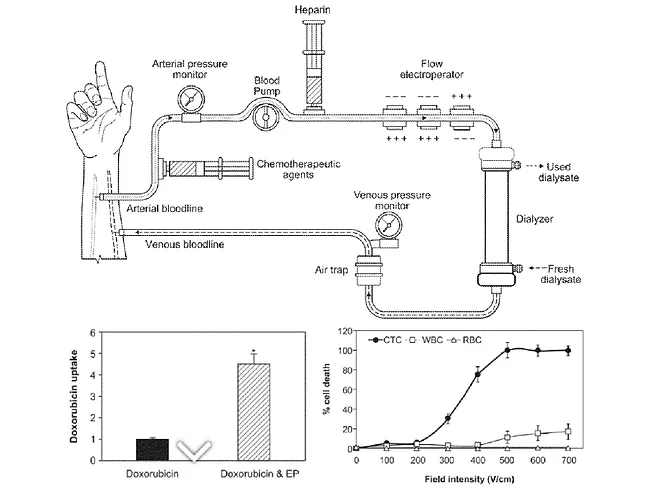
U.S. researchers reported seeking patent protection for methods to neutralize circulating tumor cells (CTCs) during hemodialysis to prevent cancer metastasis and reduce cancer-related deaths.
Bariatek Medical SA’s team of inventors reported on a patent for a delivery system for introducing or deploying a gastrointestinal implant, particularly a bypass sleeve used to treat obesity and diabetes.
Neurochase Ltd. filed a patent for a septum-sealed transcutaneous, fluid-transferring device through which repeated access for the removal or delivery of fluid to the central nervous system (CNS) can be gained.
A team from the University of Geneva (UNIGE) in Switzerland and the Ludwig Maximilian University of Munich in Germany has succeeded in developing a fully biodegradable nanoparticle able to deliver a new anti-inflammatory drug directly into macrophages where an uncontrolled inflammatory response has been triggered.
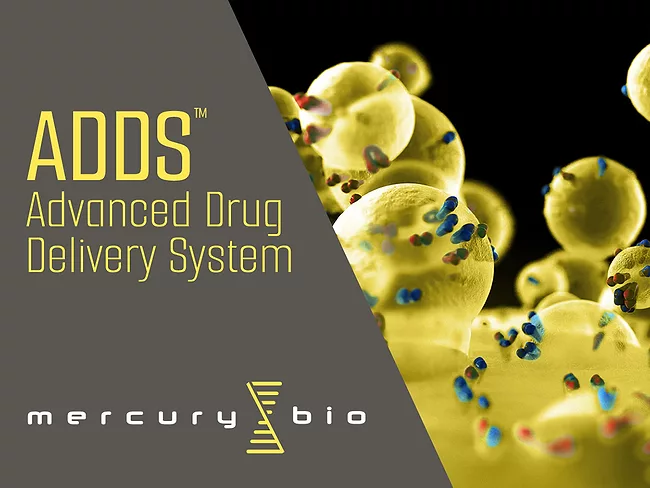
Mercury Bio LLC has developed a patent-pending technology that will enable highly targeted delivery of both RNA therapeutics and small-molecule drugs to targeted diseased cells.
Microorganisms such as bacteria, sperm and microalgae have evolved to develop robust actuation systems that enable autonomous motion, and these natural cellular systems have recently emerged as attractive carriers for transporting therapeutics to hard-to-reach body locations. According to a recent publication, researchers from University of California, San Diego have developed a novel algae-based motor platform, with the aim of addressing limitations of cargo delivery into the gastrointestinal (GI) tract.
Recent years have seen progress in treating brain disease, but one major challenge remains: getting therapeutic treatments across the blood-brain barrier. Now, Cranius LLC has raised $19.4 million to advance a device designed to bypass the blood-brain barrier and deliver medicines directly and continuously to the brain.
While simultaneous targeting of PD-1 and TGF-β has been previously suggested to be a favorable strategy to reverse immune checkpoint inhibitor (ICI) resistance of tumors, the hydrophobicity of TGF-β inhibitors and latent drug-related adverse events of this treatment hindered its utility.
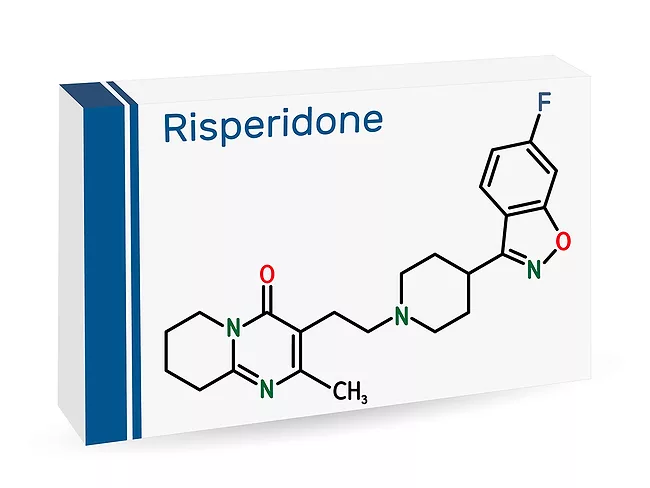
Shares in Medincell SA dropped 29.1% Apr. 20 on news that the U.S. FDA slapped a complete response letter (CRL) on an NDA for an extended release, long-acting formulation of risperidone, which it is co-developing with Teva Pharmaceuticals Industries Ltd. as a maintenance treatment for schizophrenia.
By using engineered retinal pigment epithelial cells to deliver IL-2 into the tumor microenvironment, investigators at Rice University eradicated ovarian and colorectal tumors in mouse models, and elicited T-cell responses after implantation in primates.