Lunit Inc. reported a new collaboration with Microsoft Corp. July 2 to jointly develop medical AI programs accessible on Microsoft’s Azure cloud platform.
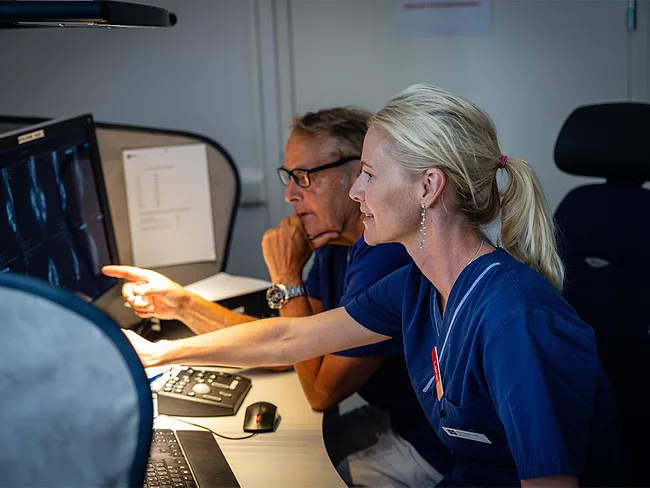
AI could significantly improve the value of patient recalls following mammography, but so far radiologists seem reluctant to rely on computer-aided readings. Radiologists tend to trust their own judgment – and that of their colleagues – in mammogram readings far more than AI-based diagnostics, even when the AI is much more accurate, a prospective trial analysis published in Radiology by Karolinska Institutet researchers found.
The Asia Pacific med-tech industry is expected to grow to $225 billion by 2030. Despite that rosy outlook, the landscape become increasingly challenging as med-tech investment saw a notable downturn since its peak in 2021, with venture financing and M&A deals decreasing by 22% and 37%, respectively, over the past two years.
Mica AI Medical Ltd. is looking to transform the early diagnosis of breast cancer with its software which helps radiologists analyze mammograms more effectively. The company recently signed a collaboration and licensing agreement with Baptist Health South Florida in a bid to bring its technology to the U.S. market.
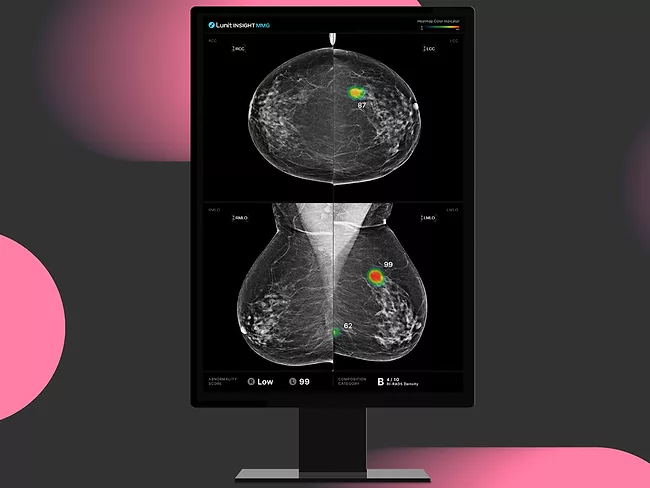
A recent retrospective cohort study of Insight MMG highlighted potential of Lunit Inc.’s artificial intelligence-powered breast cancer screening tool in detecting “subtle signs of cancer” earlier for women.
“In an impressive eight-month timeline,” South Korea’s Lunit Inc. completed the $193 million (AU$292 million) acquisition of Volpara Health Technologies Ltd. to globally advance artificial intelligence (AI)-based cancer care.
South Korean artificial intelligence software developer Lunit Inc. plans to acquire Volpara Health Technologies Ltd. for $193 million (AUD 292 million) by mid-2024, taking a global leap to the U.S. market and becoming an AI-based platform health care firm.
South Korea’s Ministry of Food and Drug Safety (MFDS) will head an international team of regulatory experts from 19 drug agencies worldwide, including the U.S. FDA and China National Institute for Food and Drug Control (NIFDC), to draft an international standard for artificial intelligence (AI)-based software.
Lunit Inc. is the latest South Korean firm to gain the U.S. FDA’s 510(k) clearance for Lunit Insight DBT, its artificial intelligence (AI)-powered breast cancer diagnostic tool that analyzes digital breast tomosynthesis (DBT) images, boosting its efforts to enter the U.S. market. The company also reported that it secured $150 million in a public offering.
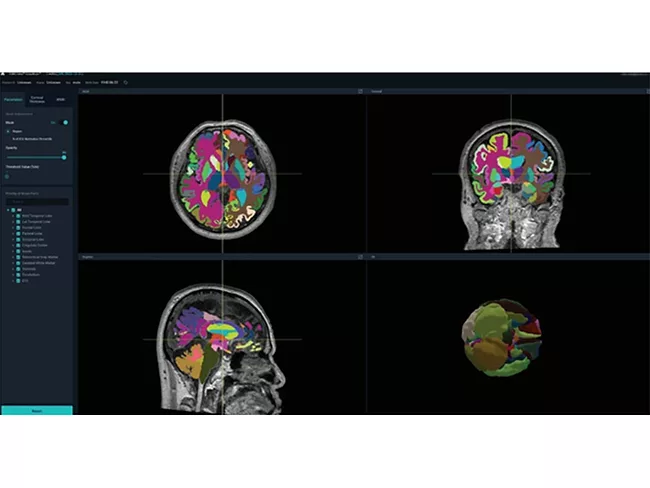
Vuno Inc. gained a U.S. FDA’s 510(k) clearance for its artificial intelligence (AI)-powered brain quantification device, Vuno Med-Deepbrain, to diagnose possible dementia in patients “even before mild cognitive impairment.”