The Ministry of Health and Prevention has just published a decree introducing the anticipated coverage by the National Health Insurance Fund of digital medical devices and remote medical monitoring activities.
The €13.8 million (US$15.25 million) Kiro SAS recently raised in its series A financing led by Sofinnova Partners will enable the company to further develop its artificial intelligence (AI) platform, which standardizes and analyzes laboratory test results, making them more relevant to doctors and easier for patients to understand. The funding will also allow the company to prepare the groundwork to enter the U.S. market where, Alexandre Guenoun, CEO at Kiro, told BioWorld, there is a huge “opportunity” for the AI platform following changes to regulations which require laboratories to communicate test results directly to patients.
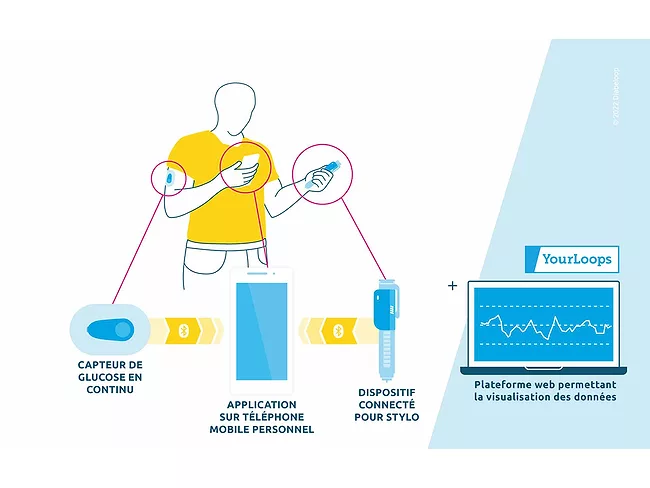
Diabeloop SA reported a partnership with Novo Nordisk A/S. The med-tech is planning to integrate DBL-4pen, its self-learning algorithm for multiple daily injection therapy, into Novo Nordisk's connected, reusable insulin pens: Novopen and Novopen Echo Plus. “Our partnership is designed to deliver more automated solutions to people with diabetes, optimizing outcomes and improving quality of life,” Cecile Ferracci, CCO of from Grenoble, France-based Diabeloop, told BioWorld.
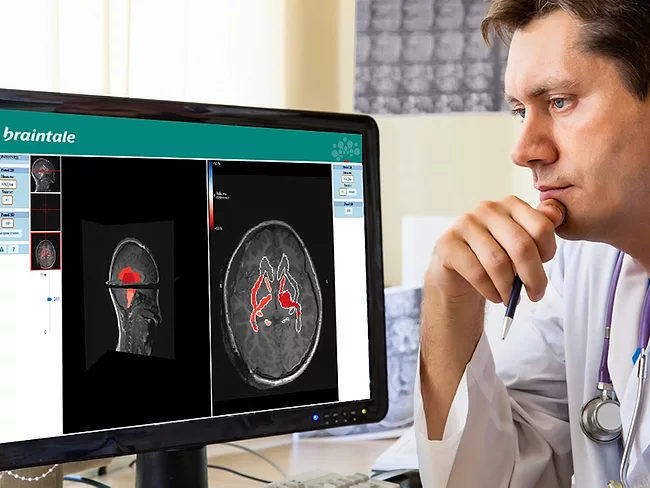
Braintale SAS unveiled an updated version of its digital biomarkers platform with new features including advance options for patient monitoring. This version is also CE-marked under the new EU Regulation, MDR 2017/745. The company said this latest version of Braintale-care sees important improvements for all users, with superior security and usability alongside additional available biomarkers. “This significant enrichment allows deployment of our platform to a growing number of customers for the benefit of patients and people in the industry,” Jean-Baptiste Martini, chief technology officer of Braintale, told BioWorld.
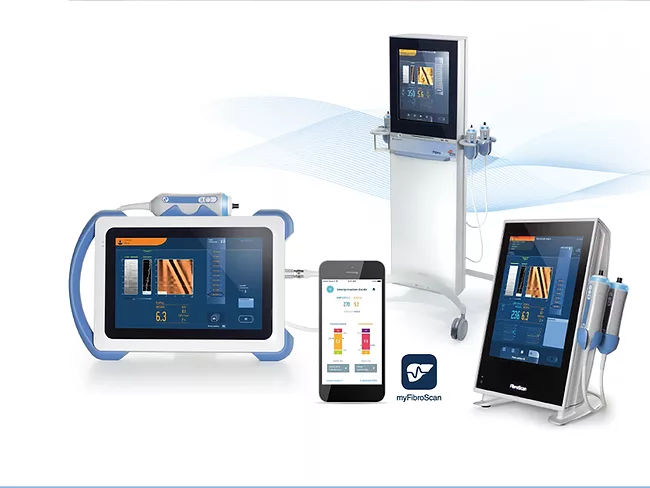
Echosens SA obtained clearance from the U.S. FDA to expand the indications for screening with its Fibroscan system. The approval removes contraindications for pregnancy and active implant and includes patients with confirmed or suspected liver disease. It designates Fibroscan as a noninvasive aid for clinical management, diagnosis and monitoring of adult and pediatric patients with liver diseases. The age has been removed as the first selection probe and exam-type step.
Okwin Inc. is leading a consortium of hospitals and pathology labs from across France as part of a €33 million (US$36 million) project to develop and deploy new digital pathology artificial intelligence (AI) tools to improve cancer care. The project, called Portrait, is backed by the French government, and the hope is that by producing more efficient and accessible diagnostic tools, clinicians will be able to better tailor treatments to individual patients at an earlier stage of the disease.
France is tightening access to the reimbursed health care market for digital medical devices. The national Digital Healthcare Agency (ANS) reported that a standard interoperability and safety system for digital medical devices is coming into force.
The Gustave Roussy cancer center, specializing in cancer treatment, and its technology transfer subsidiary Gustave Roussy Transfert, reported the creation of startup Orakl SA, which develops a technology for modeling cancer tumors called the patient tumor avatar. Orakl leverages a unique collection of patient tumor avatars, combining biological and clinical data to fuel the therapeutic arsenal to fight cancer.
Affluent Medical SA reported initial success from the first minimally invasive transcatheter implantation of its biomimetic Epygon heart valve. This was placed in a 62-year-old female suffering from a severe form of mitral regurgitation, considered untreatable via traditional heart surgery due to multiple risk factors. This first-in-human trial was performed at the Molinette Hospital, part of the City of Turin University Hospitals of Health and Science.
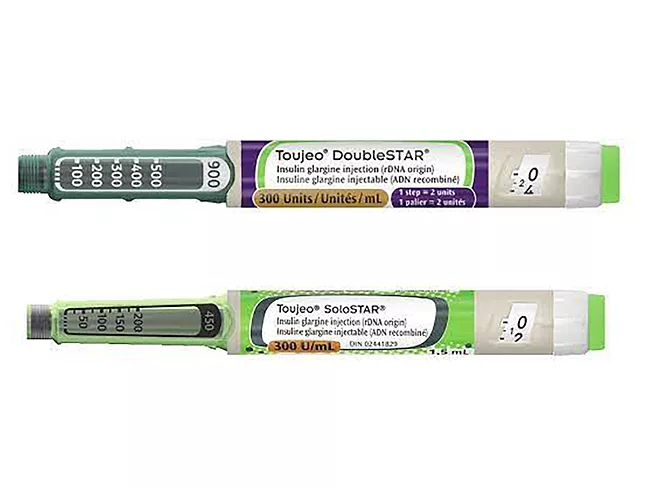
Sanofi SA is launching its first connected data collector for recording insulin injection in real time. The launch was reported at the Francophone Diabetes Society (SFD) congress in Montpellier, France this week. Distribution will begin via the network of 21,000 pharmacies throughout France. The new Solosmart data sensor can be adapted to all Sanofi pre-filled insulin pens.