Appili Therapeutics Inc. and its partner Vitalex Biosciences LLC have announced that the National Institute of Allergy and Infectious Diseases (NIAID), part of the National Institutes of Health, has awarded up to $40 million in funding to support the development of VXV-01, a vaccine aimed at protecting against invasive fungal infections.
The National Institute of Allergy and Infectious Diseases (NIAID) has awarded a 5-year $20.8 million grant to a multi-institutional team led by Weill Cornell Medicine investigators for advanced preclinical development of a promising experimental HIV vaccine.
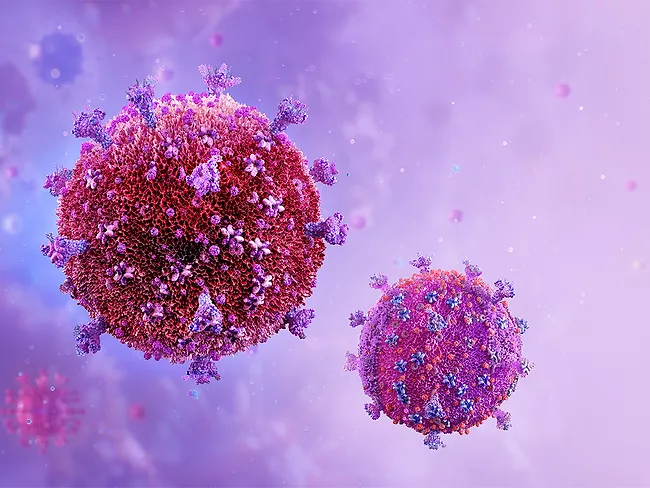
We all look different to HIV, a virus that destroys the immune system. The defensive cells record every interaction with foreign agents, infections from viruses and bacteria, but also with mechanisms occurring within the body, such as microbiome metabolism, the effects of aging, or the development of diseases. At a preconference session at the 13th IAS Conference on HIV Science (IAS 2025), scientists explained the interactions of different microorganisms with HIV.
Writing in Cell Reports, researchers from the National Institute of Allergy and Infectious Diseases (NIAID) and collaborators have presented a multifaceted analysis and structure-function study of a panel of human monoclonal antibodies (hmAbs) targeting AMA1 elicited by natural Plasmodium falciparum infection in a malaria-endemic region in Mali.
Lactiga Inc. has been awarded a multiyear grant by the National Institute of Allergy and Infectious Diseases (NIAID) to accelerate the advancement of the company’s lead asset, LCTG-001.
A recent study published in Nature Communications by researchers at the National Institute of Allergy and Infectious Diseases (NIAID) and collaborators evaluated a replicating RNA (repRNA) vaccine designed to target a contemporary bovine-derived H5N1 virus and compared its efficacy to a vaccine based on a historical H5N1 strain used in stockpiled vaccines.
Ocugen Inc. has received IND clearance from the FDA for OCU-500, an inhaled mucosal vaccine for COVID-19. The National Institute of Allergy and Infectious Diseases (NIAID) will sponsor and conduct a phase I trial of OCU-500 administered via inhalation into the lungs and intranasally as a spray.
Malaria remains a significant global health challenge, causing over 600,000 deaths annually despite existing prevention and treatment measures. Current vaccines and monoclonal antibodies (mAbs) against Plasmodium falciparum, such as RTS,S/AS01 and R21, primarily target the central repeat region of the circumsporozoite protein (CSP) but have shown limited efficacy in completely preventing infection.
Anivive Lifesciences Inc., a One Health technology company, reported the NIH’S National Institute of Allergy and Infectious Diseases (NIAID) has awarded grant funding worth up to $33 million to the company to support the development of a vaccine against the fungus Coccidioides, which causes Valley Fever.
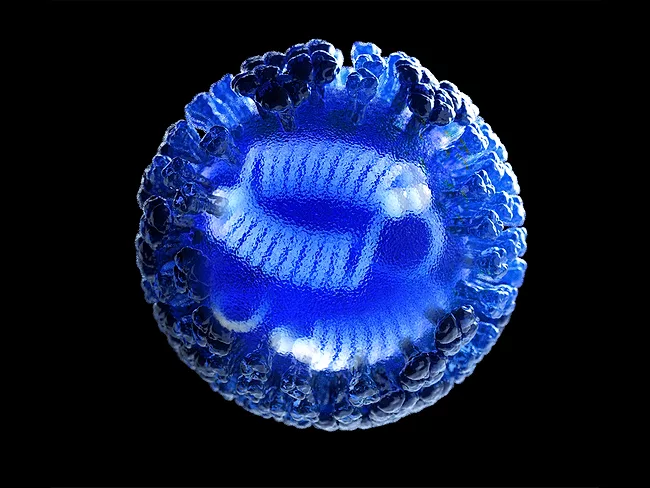
Neuraminidase (NA) is an essential surface protein of influenza viruses with potential as an effective drug and vaccine target. However, knowledge of the NA antigenic landscape remains limited, and most current influenza vaccines induce antibodies against the surface glycoprotein hemagglutinin.