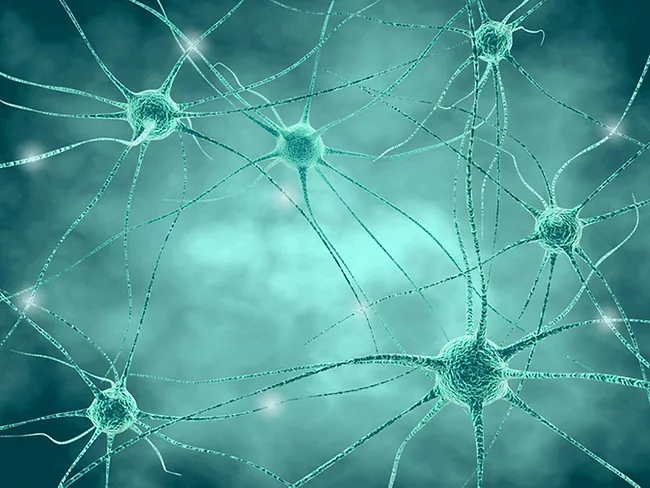
Shanghai Institute of Materia Medica of the Chinese Academy of Sciences has identified G-protein coupled receptor 84 (GPR84) antagonists reported to be useful for the treatment of multiple sclerosis, inflammatory bowel disease, fibrosis, neurodegenerative disease and arthritis.
Shanghai Institute of Materia Medica of the Chinese Academy of Sciences and Wuhan Institute of Virology of the Chinese Academy of Sciences have synthesized amide compounds reported to be useful for the treatment of dengue virus infection, skin inflammation, inflammatory joint disease, inflammatory bowel disease and autoimmune disease.
Researchers from Shanghai Institute of Materia Medica presented the discovery of novel furan-2-carboxylic acid derivatives as potential candidates for the treatment of type 2 diabetes mellitus (T2DM). Synthesis and optimization of SL-010110, a previously identified molecule with the ability to inhibit gluconeogenesis via a unique mechanism, resulted in the discovery of a novel series of derivatives.
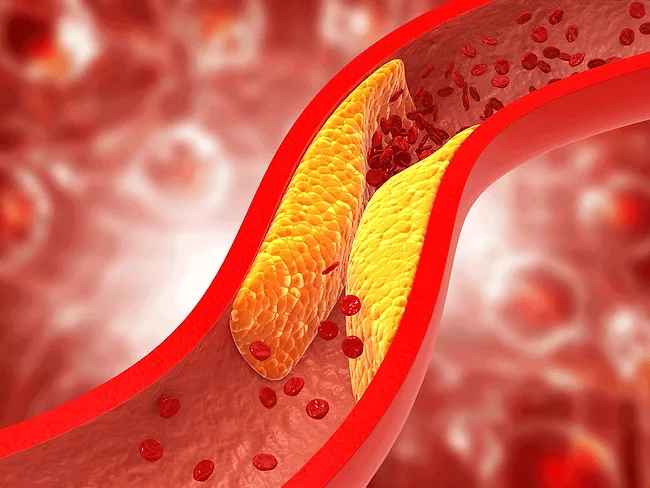
Researchers from Shanghai Institute of Materia Medica and affiliated organizations recently reported the synthesis and evaluation of novel α-pyrone III derivatives as potential therapeutic agents for the treatment of atherosclerosis.
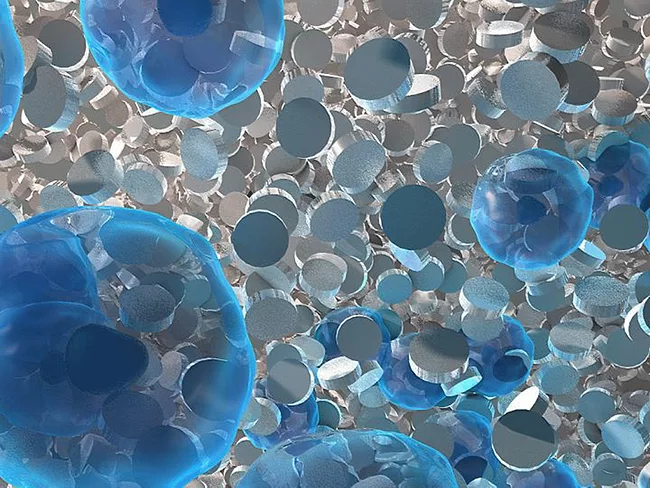
Steric hindrance and electrostatic interactions often prevent the subsequent development of clinically relevant nanoparticles to the in vivo stage. Researchers at the Shanghai Institute of Materia Medica, Chinese Academy of Sciences, have now demonstrated the development of nanoparticles exhibiting pH-sensitive properties triggering the stretching of peptides to reveal accessible liver-targeted ligands that can deliver biologically active peptides in vivo.
HONG KONG – In another example that communication is proving as difficult as containment in the current coronavirus outbreak, China’s state media reported, to increasing skepticism, that a traditional Chinese medicine (TCM) oral liquid could inhibit the new coronavirus.