In August, a press release from HHS announced the cancellation of 22 vaccine research projects based on mRNA, the latest available technology aimed at developing therapies for viral infections, cancer, and genetic conditions. What happens to mRNA innovation when funding dries up? This series explores how reductions in funding could impact mRNA technology, affecting innovation, research and future therapies.
Gilead Sciences Inc. has identified 3C-like proteinase (3CLpro; Mpro; nsp5) (SARS-CoV-2; COVID-19 virus) inhibitors reported to be useful for the treatment of SARS-CoV-2 infection (COVID-19).
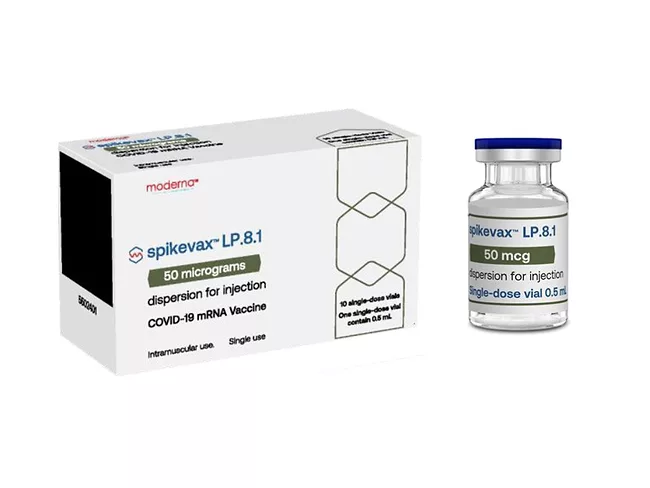
South Korea’s Ministry of Food and Drug Safety approved Moderna Inc.’s Spikevax LP.8.1 vaccine as an updated shot for COVID-19 targeting the LP.8.1 variant, according to Moderna Korea’s announcement Sept. 1. The regulatory clearance comes days after the U.S. FDA accepted, on Aug. 27, Moderna’s supplemental BLAs for two of its COVID-19 vaccines, Spikevax and Mnexspike.
The U.S. Department of Health and Human Services reported Aug. 27 that Susan Monarez no longer occupies the post of director for the CDC, a development that arose within hours of the FDA’s approval of two COVID-19 vaccines with historically restrictive labeled indications.
Deficiencies in interferon-stimulated gene 15 (ISG15), a protein that normally regulates the immune response, causes mild but persistent inflammation. However, its absence also provides an unexpected advantage by increasing resistance to viral infections. Inspired by this condition and using mRNA technology, scientists at Columbia University and the Icahn School of Medicine at Mount Sinai have developed a broad-spectrum antiviral platform.
Deficiencies in interferon-stimulated gene 15 (ISG15), a protein that normally regulates the immune response, causes mild but persistent inflammation. However, its absence also provides an unexpected advantage by increasing resistance to viral infections. Inspired by this condition and using mRNA technology, scientists at Columbia University and the Icahn School of Medicine at Mount Sinai have developed a broad-spectrum antiviral platform.
Avixgen Co. Ltd., a subsidiary of Dx&Vx Co. Ltd., inked a $360 million license agreement with an unidentified U.S.-based biotechnology company, granting the latter rights to its advanced cell penetrating (ACP) peptide drug delivery platform.
Korea Disease Control and Prevention Agency (KDCA) secured 5.3 million doses of COVID-19 vaccines made by Pfizer Inc./Biontech SE and Moderna Inc., officially including the mRNA-based vaccines in the country’s national immunization program on Aug. 5.