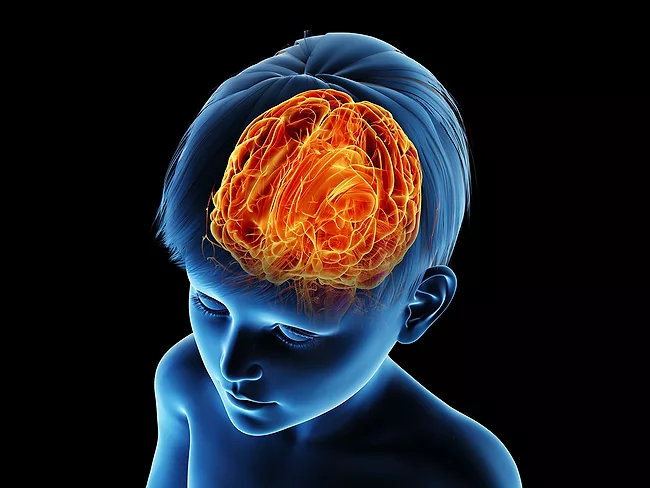
Angelman syndrome is a rare genetic, nondegenerative and neurodevelopmental disorder caused by mutations affecting the expression of maternal UBE3A, which is expressed in neurons and is a key protein for neuronal morphology and correct synaptic functioning. The disease is characterized by intellectual disability, defects in movement and sleep disruption, among others.
Angelman syndrome (AS) is a rare neurodevelopmental disorder caused by the loss of function of the maternally inherited ubiquitin E3 ligase UBE3A gene. AS is characterized by severe symptoms, including lack of speech, epilepsy, developmental and motor skills delays, sleep disturbances and cognitive impairment. Currently, no treatments are available for this disease.
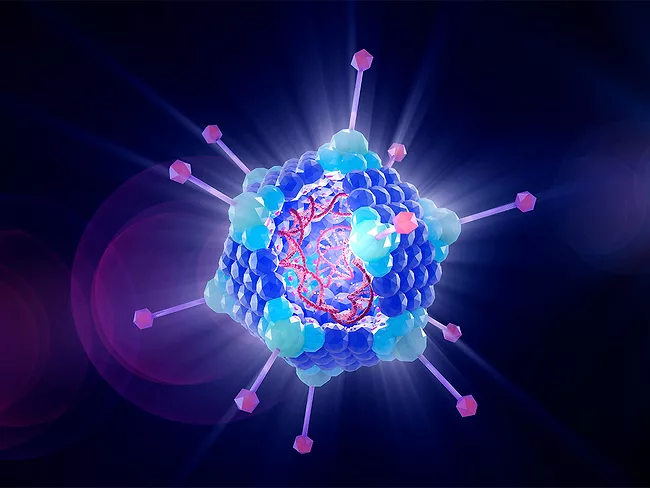
Mavrix Bio has received IND clearance from the FDA for MVX-220, an investigational AAV gene therapy for the treatment of Angelman syndrome. The company expects to initiate its first-in-human study, ASCEND-AS, in the second half of this year.
California Institute for Regenerative Medicine (CIRM) has awarded a $5.8 million translational research grant to a scientist at the University of California, Los Angeles (UCLA) to further support the development of a hematopoietic stem cell (HSC) gene therapy to treat Angelman syndrome, including preparation of a pre-IND package submission to the FDA.
Neuren Pharmaceuticals Ltd.’s NNZ-2591 met the primary endpoints in a phase II trial in children with Angelman syndrome, with improvements seen in clinically important aspects of the disease, including communication, behavior, cognition and motor abilities, Neuren CEO Jon Pilcher said during an Aug. 9 conference call.
Neuren Pharmaceuticals Ltd.’s NNZ-2591 met the primary endpoints in a phase II trial in children with Angelman syndrome, with improvements seen in clinically important aspects of the disease, including communication, behavior, cognition and motor abilities, Neuren CEO Jon Pilcher said during an Aug. 9 conference call.
Epigenetic desilence of the paternal allele of the gene that causes Angelman syndrome (AS) could be used to treat this disease for which there are currently no approved therapies.
Neuren Pharmaceuticals Ltd.’s NNZ-2591 met the primary endpoints in a phase II trial in children with Pitt Hopkins syndrome, with improvements seen in communication, social interaction, cognition and motor abilities, according to top-line results.
Neuren Pharmaceuticals Ltd.’s NNZ-2591 met the primary endpoints in a phase II trial in children with Pitt Hopkins syndrome, with improvements seen in communication, social interaction, cognition and motor abilities, according to top-line results.
Wall Street may not have responded as positively as Ultragenyx Pharmaceutical Inc. would have liked after the firm unveiled new data from the phase I/II study with GTX-102 for the treatment of Angelman syndrome (AS). Patients in expansion cohorts A & B treated with a set dose and regimen of the intrathecally delivered antisense oligonucleotide (ASO) showed rapid and clinically meaningful improvement across multiple domains.