Duo Oncology Inc. has been awarded a Small Business Technology Transfer grant by the National Cancer Institute (NCI) to support the development of DUO-307, a combination nanomedicine that delivers cytotoxic polymer conjugated gemcitabine (PGEM) and an immune modulating chemokine receptor type 2 antagonist (CCR2a) to tumor tissue.
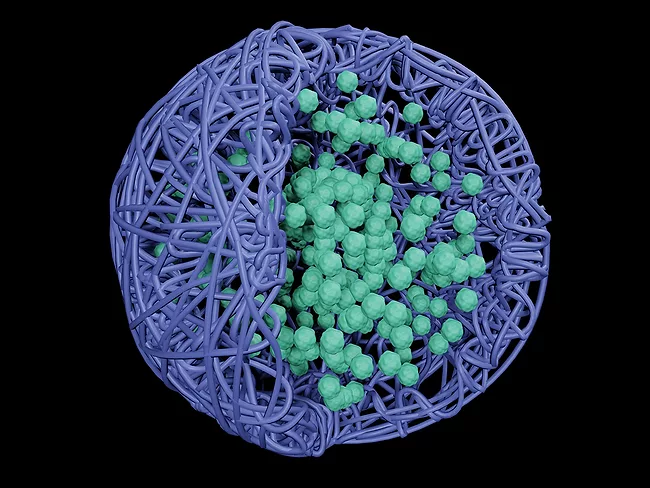
Cancer treatments for targeting tumor amplifications lag behind those targeting point mutations – and part of the reason may be that amplifications often reside on extrachromosomal DNA (ecDNA). Since ecDNA was first described back in 1965 as minute chromatin bodies in brain cancer cells, the use of large-scale DNA sequencing techniques has revealed the presence of ecDNA across a wide range of cancer types. “The circular structure of ecDNA is associated with increased proto-oncogenic capacity in comparison to linear amplifications. Another key feature is that ecDNA does not contain centromeres,” Roel Verhaak, from Yale School of Medicine, told the audience in a session at the 2023 AACR-NCI-EORTC Conference on Molecular Targets and Cancer Therapeutics in Boston.
A team of scientists led by The Wistar Institute has been awarded a 5-year National Cancer Institute (NCI) Program Project Grant valued at more than $12 million to explore the role of Epstein-Barr virus (EBV) in epithelial cancers. The project, which brings together scientists from The Wistar Institute and Harvard University, will focus entirely on the EBV-epithelial cancer link and look at metabolic and epigenetic vulnerabilities simultaneously.
Researchers from the U.S. National Cancer Institute and collaborators had previously demonstrated the therapeutic efficacy of an autologous whole tumor cell vaccine, named rWTC-MBTA, to prevent primary tumor growth and enhance mouse survival in a colon carcinoma model. The vaccine is composed of irradiated entire tumor cells (rWTC) pulsed with mannan-BAM (a pathogen-associated molecular pattern), TLR agonists and anti-CD40 antibody (MBTA).
Eureka Therapeutics Inc. has entered into a license agreement with the National Cancer Institute (NCI) to develop and commercialize a novel antibody targeting mesothelin (MSLN) in combination with Eureka's proprietary Artemis T-cell receptor platform.
Over half of the children with high-risk neuroblastoma experience late relapses caused by minimal residual disease. Since chimeric antigen receptor (CAR) T-cell therapy has shown efficacy against minimal residual disease in pediatric patients with hematologic malignancies, several CAR T-cell therapies are being investigated for neuroblastoma.
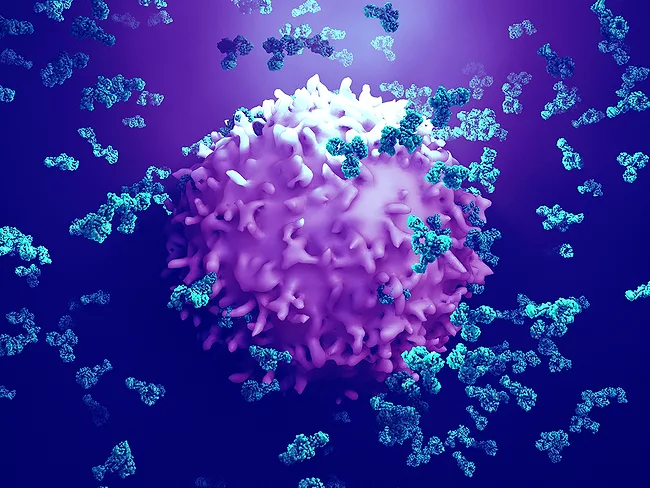
Navrogen Inc. has entered into a cooperative research and development agreement (CRADA) with researchers at the U.S. National Cancer Institute (NCI), part of the National Institutes of Health (NIH). Under this CRADA, Navrogen will sponsor the clinical investigation of the experimental antibody-drug conjugate (ADC) NAV-001, under supervision of the NCI.
The grantmaking process at the U.S. National Institutes of Health has been under scrutiny for several years for several reasons, and a new report by the Office of Inspector General (OIG) indicates that the NIH’s National Cancer Institute (NCI) has generally administered its grants properly. However, the report also indicates that some grantees were tardy in filing their final reports on grant performance, a problem that NCI has vowed to correct with tighter supervision of those grants.
Many of the developers of in vitro diagnostic tests will seek to convert their emergency use authorizations (EUAs) to conventional premarket filings, and Tim Stenzel, director of the U.S. FDA’s Office of In Vitro Diagnostics and Radiological Health (OIR), said a draft guidance for this conversion is in process. However, Stenzel said he could not predict when that draft might emerge, given that the agency is still scrambling to keep up with both EUA and conventional applications.