Pomdoctor Ltd. raised $20 million through a Nasdaq IPO on Oct. 8, with the funds geared to expand its mobile health platform for chronic diseases in China.
Rhythm Diagnostic Systems SAS (RDS) raised €14 million (US$16.6 million) in a series A funding round for Multisense, its wearable device that continuously monitors key physiological parameters of patients in hospital or at home. Already CE-marked and deployed in approximately 15 hospitals across France, Belgium and Germany, the funds will enable RDS to expand its commercial and customer support teams and prepare reimbursement filings in key European markets, Elie Lobel, CEO of RDS, told >BioWorld.
The Office of Inspector General recently reported that billings for remote patient monitoring eclipsed the $500 million mark in 2024, but the agency stated that more scrutiny will be necessary going forward to keep waste, fraud and abuse at bay.
Researchers from the University at Buffalo, the State University of New York (SUNY), filed for protection of their development of a new imaging technology that uses radar and AI to see through dressings to monitor wounds and other skin conditions.
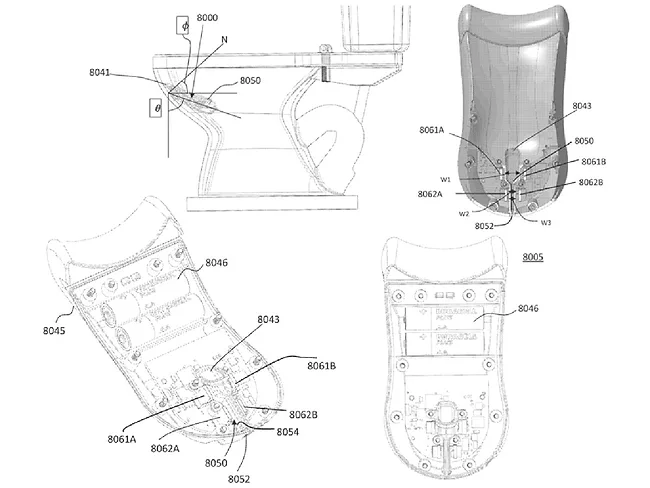
In what represents just the company’s third PCT filing, Houston-based Starling Medical Inc.’s co-founders, Hannah McKenney and William Hendricks, seek to gain further protection for their at-home urine diagnostic patient-monitoring platform that eliminates the traditional use of catching containers and dipsticks.
News of the sale of Masimo Corp.’s consumer audio unit may be music to the ears of investors, even at the steep discount from its original purchase price. Samsung Electronics Co. Ltd.’s Harman International Industries Inc. unit snapped up the Sound United business for about $350 million – roughly one-third of the $1.025 billion Masimo paid for the company in 2022.
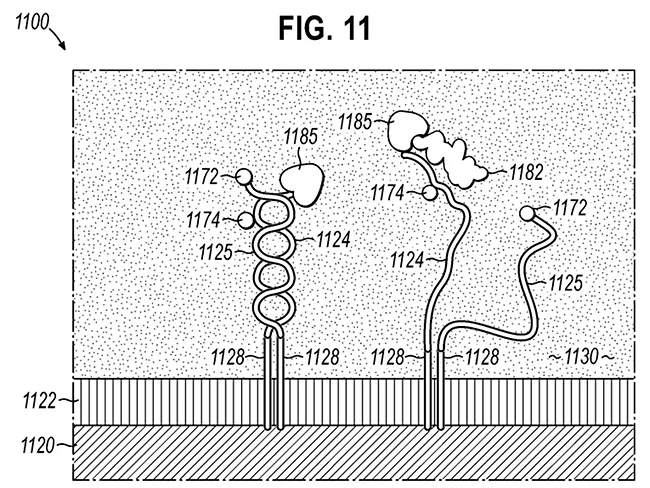
Researchers from the University of Cincinnati filed for protection of an electrochemical aptamer-based biosensor technology with improved sensitivity and longevity, which has the potential for monitoring several biomarkers over sustained periods.
The first patent from Palo Alto, Calif.-headquartered Updoc Inc. provides protection for their development of an artificially intelligent, voice-based method for prescribing, managing and administering at least one medication for management of type 2 diabetes to a patient.
Researchers from Cornell University are seeking protection for their invention of a low-cost artificial intelligence (AI)-based platform that analyses low resolution electrocardiogram data and/or photoplethysmography data to accurately and objectively assess pain.
In some ways, remote patient monitoring (RPM) came of age during the COVID-19 pandemic, but payers still worry about the potential for fraud and abuse. A recent report from the U.S. Office of Inspector General supported concerns about fraud and abuse with RPM, a problem CMS will have to address to constrain unnecessary and potentially illicit spending.