The European Commission (EC) has proposed updates to rules regarding product liability, one of which is an update to strict liability policy for pharmaceuticals (and presumably medical devices) that would expand the term of liability to 15 years. The proposal for artificial intelligence (AI) liability would up the ante on transparency into these algorithms, and the combination of the two novel policies would suggest that life science companies may face a more uniform, but potentially more hazardous legal landscape in the EU should these proposals be adopted.
A new prototype device that delivers barely perceptible vibrations to the fingertips has led to improvements of between 20% – 40% in patients who have lost their sense of touch following an ischemic stroke.
In a development that is a potential boon for wearables and other sectors of the digital health industry, the U.K.’s NICE has petitioned the National Health Service (NHS) to expand its coverage of devices that monitor patients with Parkinson’s disease. That data would be used by NICE to inform a health technology assessment that might ultimately boost sales of these devices if the data suggest a strong benefit to patients and to the U.K. health care budget.
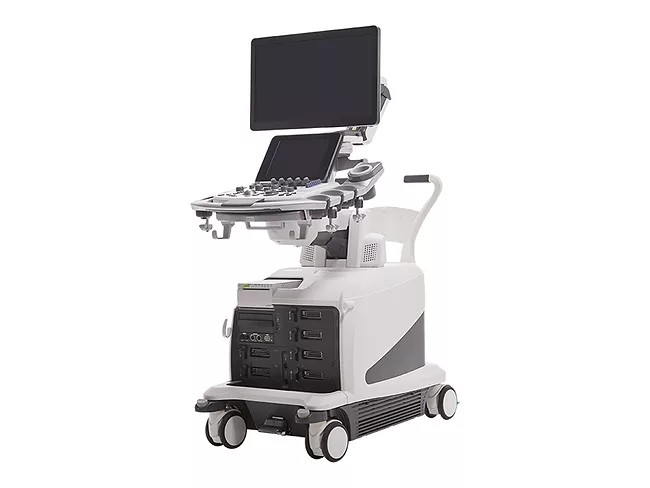
Fujifilm Healthcare Europe received the European CE mark for its next-generation therapeutic linear array ultrasound endoscope, the EG-740UT, designed for complex diagnostic and therapeutic endoscopic ultrasound procedures.
The European Commission (EC) is proposing a novel cancer screening program that would improve cancer outcomes by fostering more frequent cancer screenings among European Union (EU) member nations. The primary focus is on screening for breast, cervical and colorectal cancers, but the plan carries a lofty target of providing screening services for 90% of those who qualify for screening.
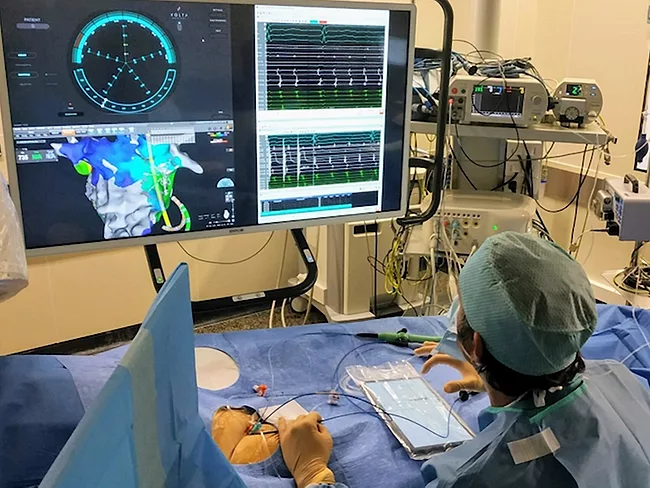
Volta Medical SAS reported validation for its VX1 software mapping system, an artificial intelligence (AI) algorithm compatible with most commonly available multi-pole catheters and technology used in operating rooms and cath labs for treating cardiac arrhythmia. Results from the proof-of-concept-study were published in the Journal of Cardiovascular Electrophysiology.
Tricares SAS raised $47 million in a first closing of its series C financing to fund further development of Topaz, its minimally invasive treatment for tricuspid regurgitation. The completion of the series C financing round is expected later in 2022.