The U.K. is mulling over whether to recognize U.S. FDA approvals of medical devices as part of moves to accelerate the implementation of its post-Brexit regulatory system.
The European Commission has given in to the increasing pressure and alarm from member states and is moving to extend the deadlines for implementing the 2017 Medical Device Regulation (MDR) and the In Vitro Devices Regulation (IVDR).
Minze Health NV closed on $4.1 million of seed funding to develop its digital solution for the treatment of urinary tract problems. Three major Belgian funds participated in this seed round, led by White Fund SA, a private equity fund focusing on med-tech. Capricorn Partners NV joined White Fund via its Digital Growth fund, alongside Flemish investment company PMV NV.
Switzerland is making moves to allow the import of U.S. FDA-approved medical devices after losing barrier-free access to the EU market and over rising concerns about the dismal pace of implementation of the EU’s upgraded devices regulations.
Vaudois University Hospital (CHUV), in conjunction with the European laboratory for particle physics (CERN) and Theryq SAS, has signed an agreement to develop equipment for a novel radiotherapy technique known as “electron Flash therapy.” The new device will use very high energy electron (VHEE) radiation to treat cancers resistant to conventional therapy.
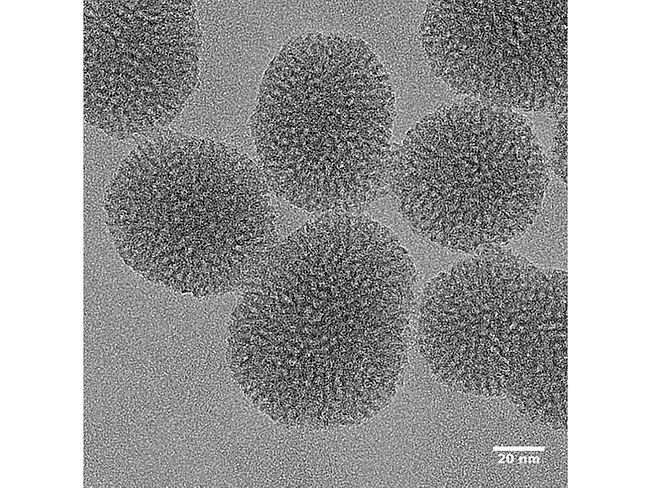
A team from the University of Geneva (UNIGE) in Switzerland and the Ludwig Maximilian University of Munich in Germany has succeeded in developing a fully biodegradable nanoparticle able to deliver a new anti-inflammatory drug directly into macrophages where an uncontrolled inflammatory response has been triggered.
A variety of governmental entities in the EU are feeling pressure to address the issues with the rollout of the Medical Device Regulation, and some EU member states have taken matters into their own hands.
Meccellis Biotech Group SAS reported closing an $8.25 million series B funding round to launch its biological implant technology on the US market. The exercise was supported by investment worth $5 million from Ocean Participations SAS alongside new funds from Volney Development SAS, Nouvelle-Aquitaine Co-Investissement SAS and the Poitou-Charentes business angel network Synergence Invest SAS.
Vitadx SA is preparing to close a new $8.3 million funding round, to ramp European distribution of its automated software platform for early detection of bladder cancer. The system is based on morphology analysis of cells in a urine sample on a digital cytology slide. “Our Visiocyt technology allows urologists to adjust patient pathways and thereby limit the number of invasive procedures necessary to confirm their diagnosis with people already presenting symptoms,” Allan Rodriguez, CEO and co-founder of Vitadx, told BioWorld.
The first home pregnancy test to analyze saliva rather than urine is due to be on the shelves in Europe at the start of 2023, following CE approval of Salistick, developed by saliva diagnostic specialist Salignostics Ltd.