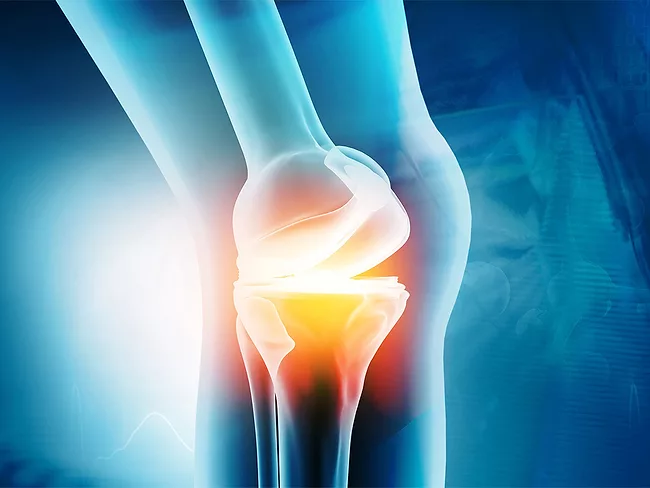
New York-based Apos Medical Assets Ltd., doing business as Aposhealth, has been developing a shoe that provides some relief from pain and disability in patients who are candidates for total knee arthroplasty (TKA), and the Apos shoe seems to have gained a toehold in the U.K. market. The National Institute for Health and Care Excellence (NICE) has provided a guarded recommendation for the use of the Apos shoe in the U.K., although the agency still has questions as to how long use of the shoe can delay the need for TKA.
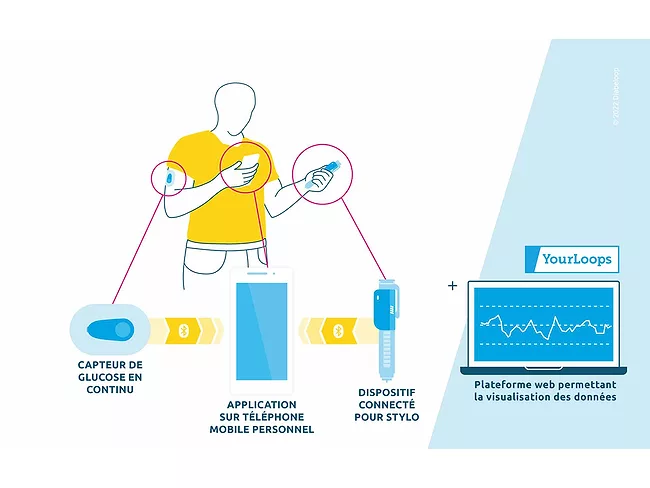
Diabeloop SA reported a partnership with Novo Nordisk A/S. The med-tech is planning to integrate DBL-4pen, its self-learning algorithm for multiple daily injection therapy, into Novo Nordisk's connected, reusable insulin pens: Novopen and Novopen Echo Plus. “Our partnership is designed to deliver more automated solutions to people with diabetes, optimizing outcomes and improving quality of life,” Cecile Ferracci, CCO of from Grenoble, France-based Diabeloop, told BioWorld.
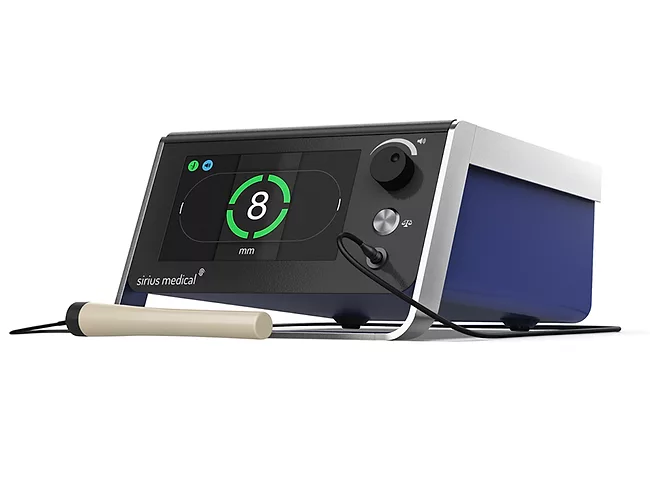
Sirius Medical BV reported successfully closing a $13 million series B round to develop its tumor localization technology. This round was led by Holland Capital Management BV, with support from existing investor BOM Capital BV – through their vehicle, Brabant Ventures – along with Curie Capital BV and Team Holmium BV, plus major investment from Sirius Medical’s management and team. Norgine Ventures Management Ltd., joined as a new investor in this round.
Infandx AG has had an abrupt change of strategy after discontinuing development of an umbilical cord blood biomarker test, which was intended to diagnose brain injury in newborns caused by a lack of oxygen before or shortly after birth.
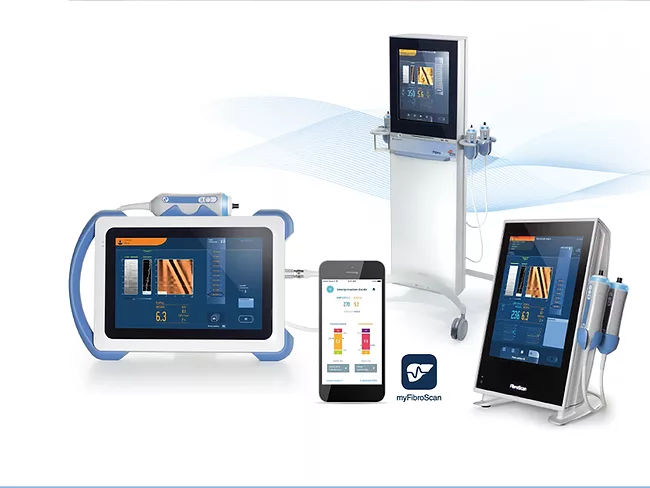
Echosens SA obtained clearance from the U.S. FDA to expand the indications for screening with its Fibroscan system. The approval removes contraindications for pregnancy and active implant and includes patients with confirmed or suspected liver disease. It designates Fibroscan as a noninvasive aid for clinical management, diagnosis and monitoring of adult and pediatric patients with liver diseases. The age has been removed as the first selection probe and exam-type step.
Okwin Inc. is leading a consortium of hospitals and pathology labs from across France as part of a €33 million (US$36 million) project to develop and deploy new digital pathology artificial intelligence (AI) tools to improve cancer care. The project, called Portrait, is backed by the French government, and the hope is that by producing more efficient and accessible diagnostic tools, clinicians will be able to better tailor treatments to individual patients at an earlier stage of the disease.
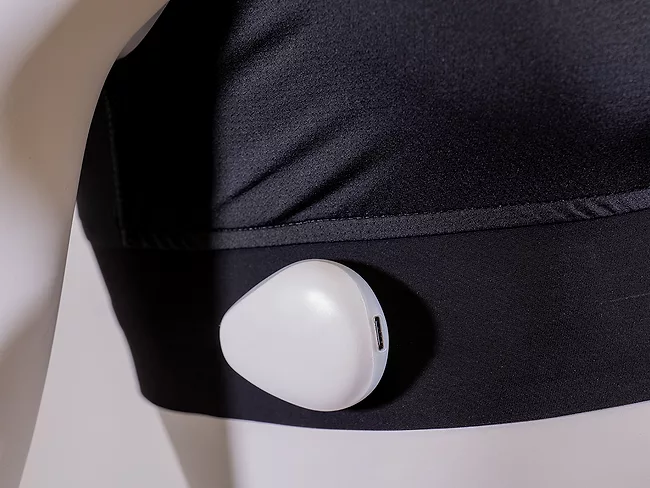
Accyourate Group S.p.A has stepped up the commercialization of its e-shirt, a 100% textile smart T-shirt which enables continuous real-time monitoring of biomedical and vital body signals. Accyourate joins a host of companies releasing products in the wearable device market as different technologies for health care including heart rate monitoring, fitness, breathing, temperature levels and fall detection get more sophisticated and grow in popularity.
For European biotech, the first quarter (Q1) of 2023 could hardly be described as the best of times – but the period did not represent the worst of times either. European firms engaged in drug discovery and development collectively raised $1.88 billion during this period. The tally is 4% less than the total raised in the comparable period last year, and it represents just 32% of the total raised during the COVID-19-fueled biotech boom during 2021. But it’s still the third highest Q1 raise during the last six years.
Bellaseno GmbH and Evonik Industries AG joined forces to commercialize 3D-printed scaffolds used in bone regeneration. The scaffolds are made with Evonik’s Resomer polymers to address large and complex bone defects as an alternative to frequently less stable conventional methods.
Startup Aiomic ApS received a capital injection in the form of a €1.3 million (US$1.4 million) convertible loan from Denmark’s Bioinnovation Institute (BII) that will allow the company to further develop and commercialize its artificial intelligence (AI)-driven Aiomic360 platform, which is designed to reduce the number of postoperative complications.