Ferlins are a family of single transmembrane proteins with multiple calcium ion (Ca2+) binding C2 domains involved in Ca2+-mediated membrane fusion. Among other processes, ferlins participate in the acrosome reaction occurring before spermatozoa fuse with eggs. Mutations in ferlins have been shown to cause male infertility in Caenorhabditis elegans and Drosophila melanogaster.
Women’s health startup May Health SAS has completed treatment of the first five participants in a U.S. feasibility study of its investigational Ovarian Rebalancing technique, a one-time, ultrasound-guided, transvaginal ablation procedure for women with polycystic ovary syndrome (PCOS). The novel treatment is designed to jumpstart the ovaries into releasing mature eggs in normal monthly cycles in women with PCOS-associated infertility.
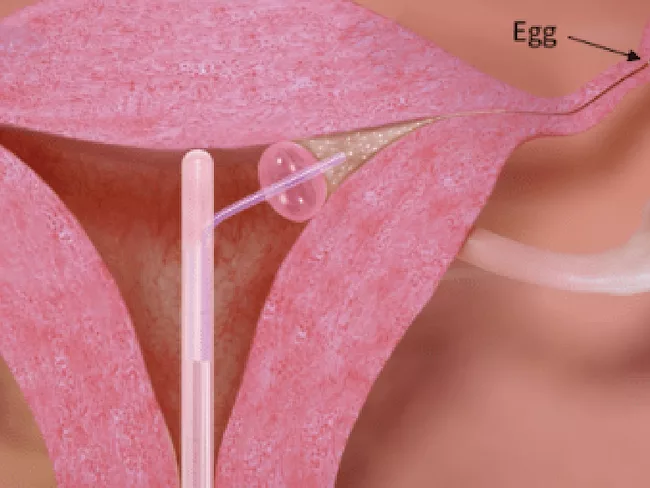
Femasys Inc. revised the design for its Femaseed pivotal trial to focus on couples experiencing male factor infertility, which accounts for about half of all cases of infertility today. Femaseed delivers sperm directly to the fallopian tube where an egg is released. As a result of the redesign, the Femaseed trial will need just one-quarter the number of treatment cycles originally anticipated.
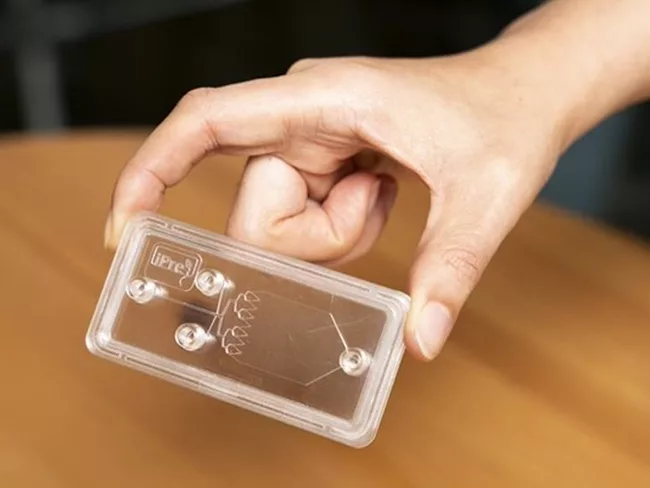
Ipreg Inc. developed a sperm-sorting chip to increase the fertility rate and fill in the blind spots that come with the in vitro fertilization (IVF) process. The chip also increases the purity of healthy sperm to 90% while posing minimum damage to the DNA.
A study published in Human Reproduction showed no developmental delays in children conceived using capacitation-in vitro maturation (CAPA-IVM) technique developed by Lavima Fertility Inc. compared to those born through conventional in vitro fertilization (IVF). Researchers presented the results at a July 6 session of the European Society of Human Reproduction and Embryology in Milan, Italy.
Two Israeli companies aiming to improve in vitro fertilization (IVF) success rates received good news recently, with Aivf Ltd. hauling in $25 million in a series A round for Ema, its IVF software platform, and Fairtility Ltd. gaining CE mark for its CHLOE EQ embryo quality decision-support tool.
If timing is everything, Femasys Inc.’s Fembloc has everything on its side. While the company’s dual tracks addressing infertility and providing permanent contraception may appear at odds, they both serve to put greater control of reproductive decisions and treatment in the hands of women. A permanent contraceptive, Fembloc offers an alternative to surgical tubal ligation by encouraging scar tissue growth in the fallopian tubes in an office-based procedure.
Fairtility Ltd.’s artificial intelligence (AI)-trained embryo classification system offers patients struggling with infertility and their physicians a better way to maximize the likelihood of implantation following in vitro fertilization (IVF) without the risk of a multiple pregnancy, a study in the Nature portfolio journal Scientific Reports found.