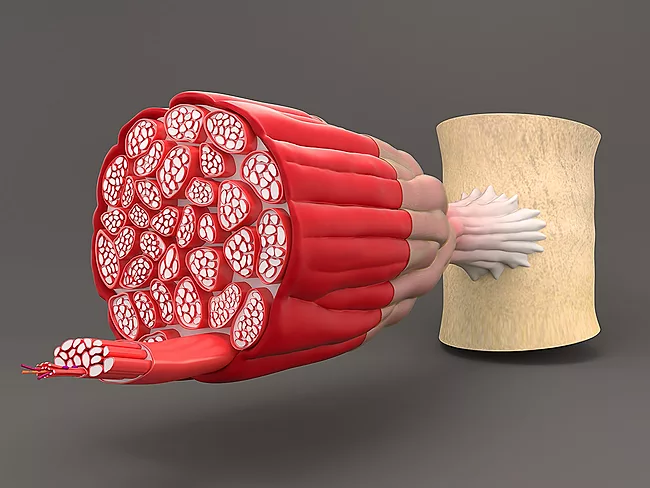
Interim phase II data of Wave Life Sciences Ltd.’s oligonucleotide, WVE-N531, revealed “impressive” dystrophin expression, solid safety and the potential for once-monthly dosing for boys with Duchenne muscular dystrophy who are amenable to exon 53 skipping. The findings drove Wave Life’s stock (NASDAQ:WVE) up by 53.4%, or $2.85, to close Sept. 24 at $8.19, after peaking earlier in the day at $8.35, its 52-week high.
Alpha-1 antitrypsin deficiency (AATD) is a recessive genetic disorder caused by single nucleotide variants (SNV) in the SERPINA1 gene encoding for alpha-1 antitrypsin (AAT), with the most common mutation being the E342K mutation (Z allele) that introduces an amino acid change from glutamic acid (E) coding for M-AAT to a lysine (K) coding for Z-AAT.
Arthex Biotech SL has received FDA clearance to initiate the phase I/IIa Arthemir study of ATX-01 for the treatment of myotonic dystrophy type 1 (DM1).
GSK plc has exercised its option to a nonexclusive license to Elsie Biotechnologies Inc.’s discovery platform, following a successful research collaboration both companies entered into last year to explore platform capabilities.
Matinas Biopharma Holdings Inc. has reported results from a series of in vivo studies demonstrating successful oral delivery of two lipid nanocrystal (LNC)-formulated small single-strand oligonucleotides that specifically target the key inflammatory cytokines TNF-α and IL-17A in well-established and validated animal models that mimic acute inflammatory responses seen in human diseases.
Hepatocellular carcinoma (HCC) is the most frequent tumor of the liver, and in contrast to the reduction in the number of deaths in many common cancers, HCC’s mortality rates have gone up in recent years. One of the features that characterizes HCC is the activation of the Wnt/β-catenin signaling. Recent preclinical testing in HCC models has shown a reduction in tumor growth using siRNA or ASOs acting as β-catenin inhibitors.
Despite the approval of Biogen Inc.’s Qalsody (tofersen) for treating amyotrophic lateral sclerosis (ALS), there are still hurdles for the drug to clear, including a confirmatory study and setting a price. Because the U.S. FDA granted Qalsody accelerated, not full approval, there are plenty more data to collect in the ongoing confirmatory phase III Atlas study of those who develop ALS symptoms during the trial compared to placebo. The randomized, double-blind, placebo-controlled study is being conducted with those carrying the superoxide dismutase 1 gene genetic mutation but are symptom free.
Senisca Ltd. has been awarded a £571,350 (US$712,000) grant from Innovate UK toward the development of oligonucleotide therapeutics for the treatment of idiopathic pulmonary fibrosis (IPF).
Wave Life Sciences Ltd. and GSK plc have entered into a strategic collaboration to advance oligonucleotide therapeutics, including Wave's preclinical RNA editing program targeting α1-antitrypsin deficiency (AATD), WVE-006. The discovery collaboration has an initial 4-year research term. The first part of the arrangement is a discovery collaboration that enables GSK to advance up to eight programs and Wave to advance up to three programs, leveraging Wave's PRISM oligonucleotide platform and GSK's expertise in genetics and genomics.
Wave Life Sciences Ltd. is partnering again. The company is getting $170 million up front – $120 million in cash and a $50 million equity investment – in a new partnership with GSK plc to advance oligonucleotides in unnamed targets. The agreement, which has a four-year research term, allows for GSK to advance up to eight programs using Wave Life’s platform and for Wave Life to advance three, or more if GSK approves, of its own collaboration programs.