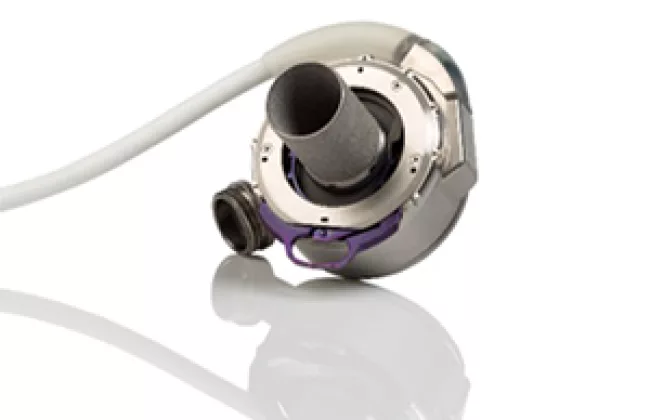
Abbott Laboratories announced a class I recall of the Heartmate 3 left ventricular assist system (LVAS) that affects nearly 890 units distributed over the past three years, a move triggered by reports of blood leakage or air entry into the device during implant procedures.
News out of the Heart Rhythm Society 2024 meeting May 16-19 highlighted the rapid disruption pulsed field ablation (PFA) devices have wrought in cardiac arrhythmia treatment, so it is little surprise to see that PFAs are among the top five technologies with transformative potential identified by Clarivate plc in its Medical Technologies to Watch in 2024 report. The impact of the other four – continuous glucose monitors (CGM) for diabetes, neurostimulation devices, surgical robotics and renal denervation – has been just as revolutionary, if longer in being realized.
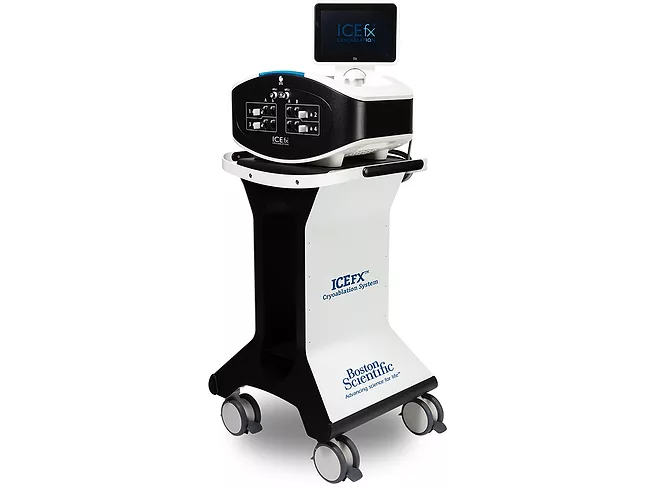
The major players in electrophysiology – Boston Scientific Corp., Johnson & Johnson, Medtronic plc, Abbot Laboratories – showed up in force at the 2024 Heart Rhythm Society annual meeting in Boston May 16-19 to tout their pulsed field ablation devices and study results.
Abbott Laboratories received U.S. FDA approval for its Esprit below-the-knee (BTK) everolimus-eluting resorbable scaffold system for use in chronic limb-threatening ischemia well ahead of the expected second half 2024 time frame. Esprit showed clear superiority to angioplasty in the LIFE-BTK trial presented at last year’s Transcatheter Cardiovascular Therapeutics conference and published in The New England Journal of Medicine.
Despite the bullish outlook in its quarterly earnings call, which included raising the midpoint of its full-year guidance range, Abbott Laboratories stock slipped on its light second-quarter outlook.
The long-term use of ventricular assist devices is becoming a problem for at least some of these devices, as demonstrated by the recall of the Heartmate II and Heartmate 3 devices by Abbott Laboratories’ Abbott Vascular division due to obstruction of the outflow graft used to attach the device to the human heart.
In a sweet indication of an improving capital market for med-tech companies, Biolinq Inc. landed $58 million in bridge financing to support completion of the U.S. pivotal trial of its intradermal glucose sensor and submission to the U.S. FDA. The round brings the total raised to more than $170 million. With good response so far, the company is optimistic that it can attract more funding in short order. “Biolinq also plans to raise a series C financing of more than $100 million to support commercialization at the end of this year,” Biolinq CEO Rich Yang told BioWorld.
Abbott Laboratories reported the U.S. FDA approval of a new device specifically designed for the repair of leaky tricuspid heart valves. The Triclip was granted a PMA for the treatment of tricuspid regurgitation following the recent recommendation of the Circulatory System Devices Panel of the Medical Devices Advisory Committee for the FDA, whose vote confirmed 13 to 1, with 0 abstention that the benefits of Triclip outweighed the risks.
It’s game time for Abbott Laboratories’ 15-minute concussion test now that FDA clearance is in hand. The I-Stat traumatic brain injury cartridge uses whole blood, allowing bedside assessment of patients without lab processing.
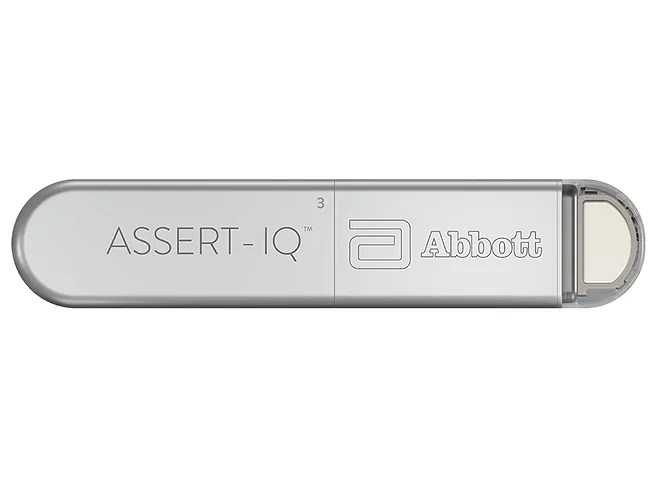
Abbott Laboratories landed CE mark for two versions of its Assert-IQ insertable cardiac monitor (ICM), one with a three-year battery life, the other lasting six years. Designed for long-term remote monitoring of individuals with abnormal heartbeats or at risk of developing arrhythmias, the device helps detect often-fleeting irregularities in heart rhythm to assist in diagnosis and care management.