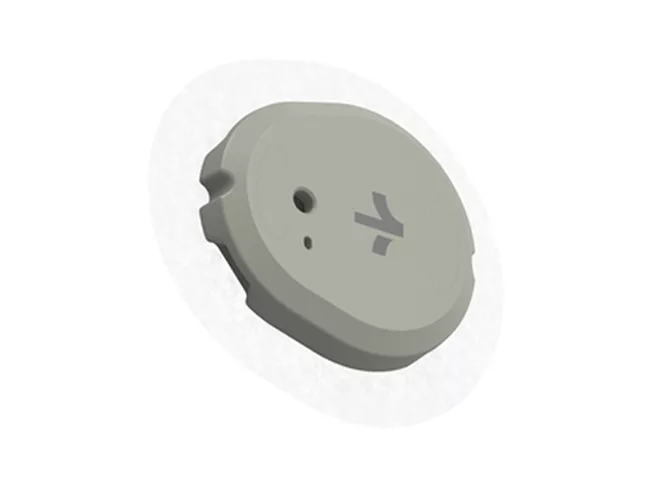
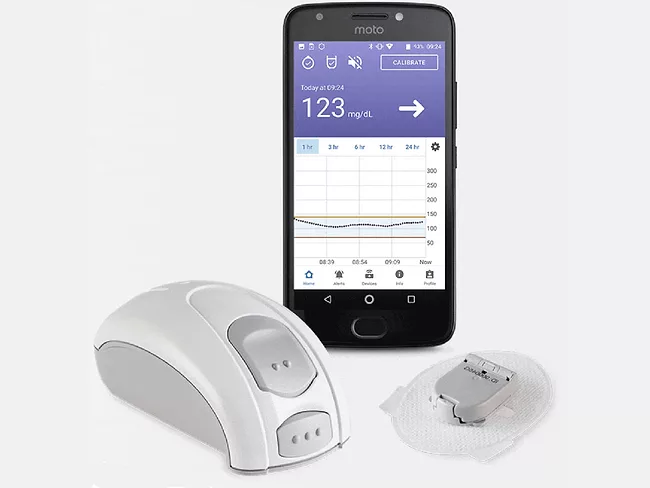
Roche AG debuted a new continuous glucose monitor (CGM) at the Advanced Technologies & Treatments for Diabetes conference in Florence, Italy, last week, but how appealing users will find it remains unclear – as is the market opportunity given the entrenched position of Abbott Laboratories and Dexcom Inc.
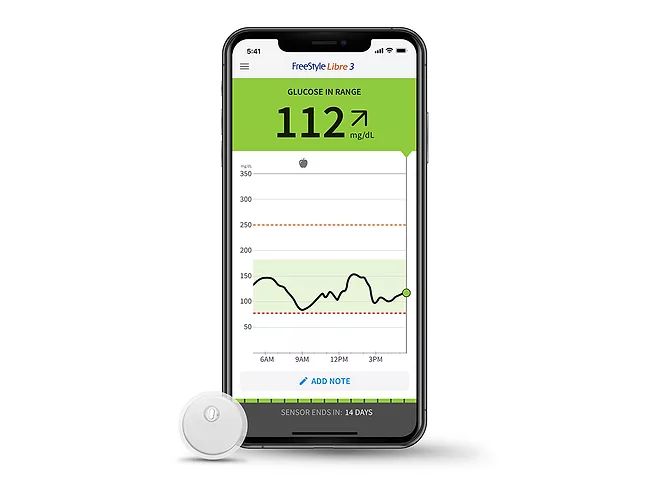
Reports of the death of the market for continuous glucose monitors in individuals with type 2 diabetes are greatly exaggerated, Abbott Laboratories studies show. Far from being unnecessary given the enthusiastic uptake of GLP-1 drugs, the devices significantly improve blood glucose control regardless of the drug used, duration of SLP-1 therapy or use of insulin, presentations at the International Conference on Advanced Technologies & Treatments for Diabetes in Florence, Italy, demonstrated.
In a grand slam for Dexcom Inc., the U.S. FDA cleared its Stelo glucose biosensor system for over-the-counter marketing, making it the first integrated continuous glucose monitor available without a prescription. Designed for use by the 25 million adults with diabetes who do not use insulin and do not have problematic hypoglycemia, the FDA indication expanded the clearance for Stelo to include individuals without diabetes “who want to better understand how diet and exercise may impact blood sugar levels,” dramatically expanding the market opportunity.
Just in time for Valentine’s Day, the circulatory system devices panel of the medical devices advisory committee for the U.S. FDA showed some love for Abbott Laboratories’ Triclip transcatheter edge-to edge repair (TEER) system for leaky tricuspid heart valves.
Insulet Corp. received the greenlight from EU regulators to combine its Omnipod 5 automated insulin delivery (AID) system with Abbott Laboratories Freestyle Libre 2 Plus sensor to treat individuals aged two years and older with type 1 diabetes.
Edwards Lifesciences Corp. received some good news with the earlier-than-expected U.S. FDA approval of its Evoque tricuspid valve replacement system. The company beat out rival Abbott Laboratories for the honor of being the first transcatheter therapy to receive FDA approval.
Trinity Biotech plc. paid $12.5 million to acquire Waveform Technologies Inc.’s biosensor and continuous glucose monitoring (CGM) assets. It also formed a partnership with Bayer AG to launch a CGM biosensor in China and India. These moves are part of Trinity’s transformation strategy to become a leading player in wearable biosensor technology.
Abbott Laboratories received U.S. FDA approval for its Liberta RC deep brain stimulation (DBS) system for use in movement disorders, less than two weeks after the agency gave its nod to Medtronic’s Percept RC DBS system. The news come on the heels of Abbott’s release of strong fourth quarter results on Wednesday.
Investors bailed on many med-tech companies last year, fearing that the frenzy surrounding GLP-1 agonists would tank companies in the weight-loss, diabetes and orthopedics segments. Their concerns now appear overblown in many instances, with some of the most directly affected businesses reporting a “rising tide” associated with an increased focus on obesity treatment that has lifted their boats rather than sinking them.
Medtronic plc received the greenlight from the U.S. FDA for its latest deep brain stimulation system, the Percept RC. The rechargeable neurostimulator includes the company’s sensing technology which captures data from brain signals and allows for more personalized therapy.