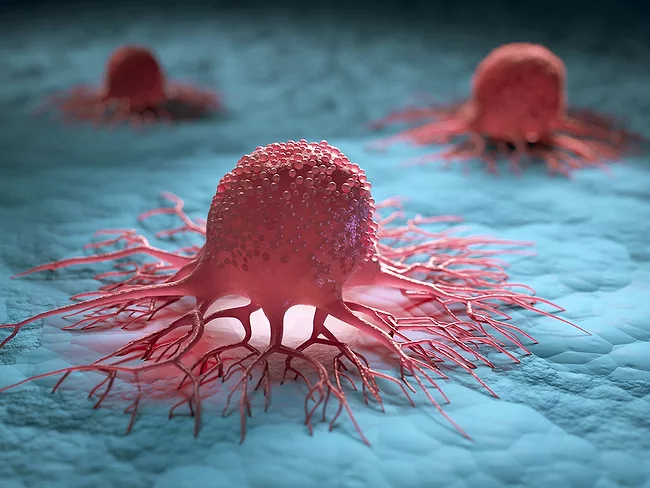
The PKMYT1 kinase has emerged as a promising therapeutic target for CCNE1-amplified cancers, after a recently reported genome-scale CRISPR/Cas9-based screen identified its inhibition as synthetically lethal for CCNE1 amplification.
Merck KGaA provided details on the discovery of MSC-4106, an orally active lead compound binding to the lipidation pocket (P-site) of the TEAD1 transcription factor and capable of disrupting its interaction with the transcriptional cofactors YAP and TEAZ, thereby preventing the formation of the YAP/TAZ-TEAD transcriptional complex.
Researchers from Boehringer Ingelheim Pharma GmbH & Co. KG presented preclinical data for BI-456906, a novel long-acting glucagon (GCG)/glucagon-like peptide-1 (GLP-1) dual receptor agonist, currently in phase II development in patients with obesity and nonalcoholic steatohepatitis (NASH).
Researchers from Roche Holding AG disclosed the discovery and preclinical evaluation data for RG-7774 (vicasinabin), a novel cannabinoid CB2 receptor (CB2R) agonist being developed for the treatment of diabetic retinopathy (DR).
The interaction of immune checkpoints, such as programmed cell death protein 1 (PD-1) or cytotoxic T-lymphocyte antigen-4 (CTLA-4), with their ligands leads to T-cell deactivation, allowing cancer cells to escape from the immune system.
Researchers from Centre National de la Recherche Scientifique and affiliated organizations presented the discovery and preclinical identification of novel inhibitors of metallo-beta-lactamases (MBLs). Synthesis and optimization of novel broad-spectrum inhibitors against most relevant MBLs, such as VIM-type enzymes and NDM-1, led to the identification of JMV-7061 as the lead from the series.
Microsomal prostaglandin E2 synthase-1 (mPGES1) is a molecule belonging to the MAPEG superfamily and is involved in the conversion of PGH2 to excess PGE2 associated with pain and inflammation. Gesynta Pharma AB presented first data on the mPGES1 inhibitor GS-248 for the treatment of pain and inflammation. In their experiments, GS-248 demonstrated a human whole-blood assay (hWBA) IC50 of 0.4 nM, and hWBA activity about 1000-fold more potent than that of celecoxib. No cross reactivity was observed with COX1 or COX2. Moreover, the compound showed IC50 values for human, dog, rat/mouse and minipig mPGES1 of 2.5, 1.3, > 1000 and 23 nM, respectively.
Investigators described preclinical data for AZD-5462 (Astrazeneca plc/Mitsubishi Tanabe Pharma Corp.), a novel oral agonist of the relaxin family peptide receptor 1 (RXFP1), being developed for the treatment of cardiorenal disease.
Molecure SA presented data on the discovery of the clinical candidate OATD-02, a first-in-class, highly potent dual arginase-1/2 (ARG1/2) inhibitor with excellent activity against intracellular ARG2, thereby holding promise as an immunotherapeutic for cancer.