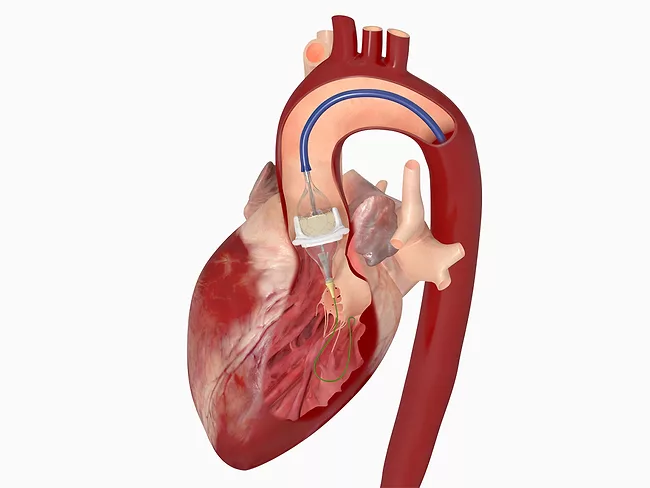
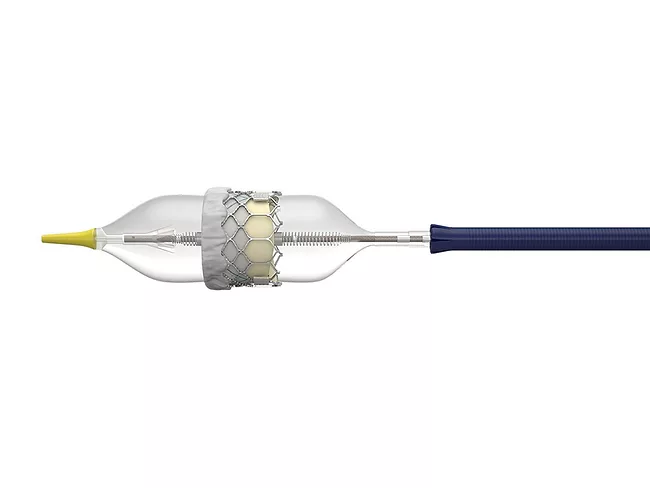
Edwards Lifesciences Corp. revealed excellent one-year data highlighting the performance of its newest generation Sapien 3 Ultra Resilia valve. Patients treated with the transcatheter aortic valve replacement system experienced lower rates of mortality and reintervention compared to its predecessors.
The Pi-Cardia Ltd. Shortcut — the catheter-based, leaflet modification solution for treating heart valves — received U.S. FDA clearance. The device was granted breakthrough device designation from the regulatory agency and is designed to split bioprosthetic aortic valve leaflets in patients undergoing valve-in-valve transcatheter aortic valve replacement (TAVR) procedures who are at risk of coronary obstruction.
In the first study to compare transcatheter aortic valve replacement or implantation to surgical aortic valve replacement exclusively in women, Edwards Lifescience Corp.’s Sapien 3 and Sapien 3 Ultra valves provided better outcomes.
Andera Partners involvement in a string of recent deals in the cardiovascular space demonstrates the ongoing appetite for devices to treat heart diseases, Olivier Litzka, a partner at Andera Partners told BioWorld.
There is no evidence to support the differences in prices that the U.K.’s national health service (NHS) is paying for transcatheter heart valves from Abbott Laboratories, Boston Scientific Corp., Edwards Lifesciences Corp. and Medtronic plc, according to the National Institute for Health and Care Excellence.
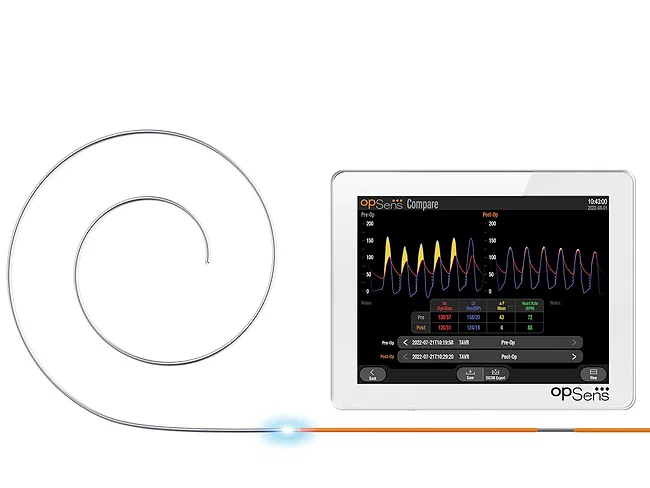
Haemonetics Corp. received CE mark certification for the Savvywire pre-shaped pressure guidewire, a sensor-guided three-in-one guidewire for transcatheter aortic valve implantation. The solution, which is expected to enhance TAVI procedures and improve patient outcomes, is already being used in procedures in European countries.
Protembis GmbH received €20 million (US$21.66 million) in financing from the European Investment Bank to develop its cerebral embolic protection system, Protembo. The intra-aortic filter device deflects embolic material away from arteries leading to the brain during left-sided heart procedures including transcatheter aortic valve replacement.
The Cardiovascular Research Technologies 2024 conference in Washington this week demonstrated continued positive outcomes for patients who underwent transcatheter aortic valve replacement with devices made by Abbott Laboratories, Edwards Lifesciences Corp. or Medtronic plc.
Edwards Lifesciences Corp. set analysts a-spin ahead of its investor day activities with the revelation it plans to launch its critical care unit as a stand-alone public company next year. Edwards expects that dividing the business will allow it to focus on cardiovascular and surgical markets.
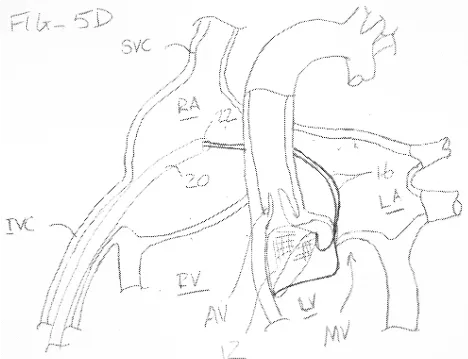
Emboline Inc. is seeking patent protection for methods and apparatus for embolic protection during cardiac procedures being performed on atrial outlet valves, namely, the mitral and tricuspid valves.