Korea Research Institute of Chemical Technology has prepared and tested new serine/threonine-protein kinase LATS1 and LATS2 inhibitors reported to be useful for the treatment of sarcopenia, muscular dystrophy, inflammatory myopathy, congenital myopathy, myotonia, myofascial pain syndrome, motor neuron diseases and muscle injury.
Scientists from the Korea Research Institute of Chemical Technology and Yonsei University have identified N4-(indolin-7-yl)-N2-(2-alkoxypyridin-3-yl)pyrimidine-2,4-diamine derivatives acting as EGFR (HER1; erbB1) and/or HER2 (erbB2) mutant inhibitors and therefore reported to be useful for the treatment of cancer.
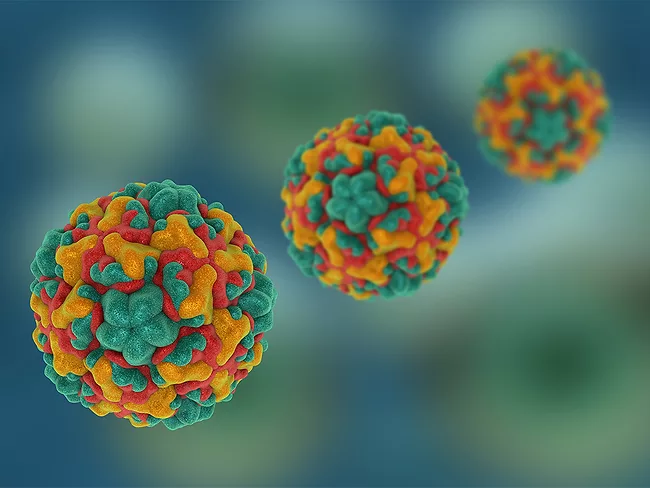
Challenges in developing antiviral agents against rhinoviruses (RVs) include their genetic heterogeneity (over 160 serotypes), rapid evolution of the viral capsid and serotype-specific immunity. To overcome these limitations, alternative approaches targeting host cellular pathways essential for viral replication have been proposed.
Researchers at Korea Research Institute of Chemical Technology and University of Ulsan have described UBA6-specific E2 conjugating enzyme 1 (USE1) inhibitors reported to be useful for the treatment of cancer.
Korea Research Institute of Chemical Technology has identified glutaminase inhibitors reported to be useful for the treatment of cancer and autoimmune diseases.
Scientists at Arontier Co. Ltd. and Korea Research Institute of Chemical Technology have disclosed ectonucleotide pyrophosphatase/phosphodiesterase 2 (ENPP2; autotaxin) inhibitors reported to be useful for the treatment of hepatic steatosis, hepatic fibrosis, cirrhosis, liver failure, hepatitis and liver cancer, among others.
Scientists at Daegu-Gyeongbuk Medical Innovation Foundation and Korea Research Institute of Chemical Technology have synthesized phenaleno-isoquinolinium-based compounds reported to be useful for the treatment of cancer.
A joint Korea Research Institute of Chemical Technology and Novartis AG patent describes antiviral 1,3-di-oxo-indene compounds reported to be useful for the treatment of asthma, chronic obstructive pulmonary disease, diabetes, hepatitis A, viral infection, myocarditis, myositis and pancreatitis, among others.
Aevisbio Inc. and the Korea Research Institute of Chemical Technology have jointly developed new compounds targeting protein cereblon (CRBN) reported to be useful for the treatment of cancer.
Work at the Korea Institute of Radiological and Medical Sciences and Korea Research Institute of Chemical Technology has led to the identification of new poly(ADP-ribose) polymerase tankyrase (TNKS) inhibitors potentially useful for the treatment of cancer.