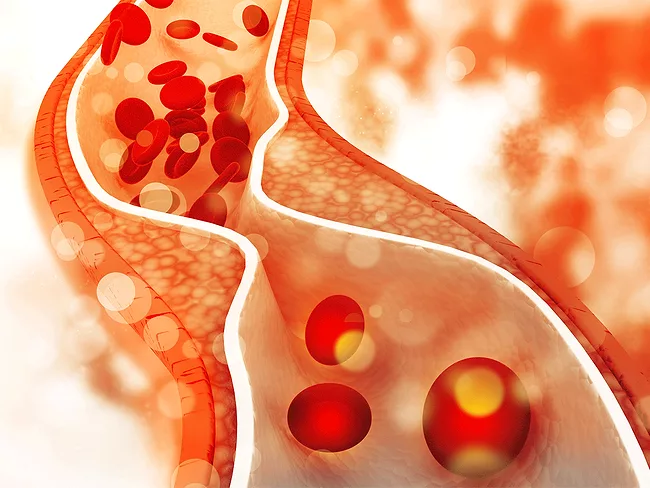
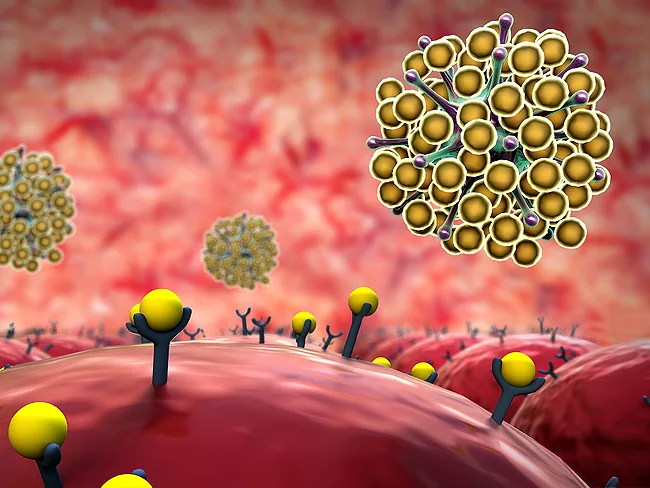
Merck & Co. revealed the structure of an orally active and potent proprotein convertase subtilisin/kexin-type 9 (PCSK9) inhibitor macrocyclic peptide, MK-0616, which is being developed for the potential treatment of hypercholesterolemia and atherosclerosis.
The accumulation of α-synuclein fibrils in the brain is the primary pathogenic hallmark in Parkinson’s disease (PD), the second most prevalent neurodegenerative disorder. Current therapies are mainly focused on late-stage symptoms and hence there is a need to find therapies tackling the disease at early stages. Recent studies validate that gut microbiome of PD patients as different from the one of healthy people.
Arcus Biosciences Inc. has reported the discovery and SAR-driven optimization and characterization of potent novel tyrosine-protein kinase receptor UFO (AXL) inhibitors for the potential treatment of cancer.
Researchers at Indiana University Bloomington have developed allosteric modulators of the opioid receptor that were superior to the opioid antidote naloxone at blocking the effects of fentanyl in vitro. They presented their work in a session on “Progress towards more efficacious medicine: Antibiotics and antidotes” at the 2023 spring meeting of the American Chemical Society (ACS).