The U.S. Department of Health and Human Services (HHS) is 6-1 so far in blocking court challenges to the Medicare price negotiation program mandated by the Inflation Reduction Act (IRA). The department’s latest victory came July 31 when a federal district judge in New Jersey tossed a complaint filed by Novo Nordisk A/S, citing a lack of jurisdiction on the court’s part and the company’s lack of standing.
The U.S. Department of Health and Human Services (HHS) and the FDA already are getting a glimpse of the post-Chevron world and how the Supreme Court’s June 28 unwinding of the 40-year-old Chevron deference could rein in agency policies that defy Congress’ expressed intent.
With round 1 not yet completed, the U.S. Centers for Medicare & Medicaid Services (CMS) already is prepping for round 2 of the Medicare negotiations mandated by the 2022 Inflation Reduction Act. While the negotiation process will expand to Part B drugs in the future, round 2, like the first cycle, will be limited to single-source Part D drugs that account for some of the highest Medicare expenditures. However, the number of drugs selected for the next cycle could grow from the current 10 to up to 15
The U.S. government chalked up another win April 29 against the constitutional challenges to the Inflation Reduction Act’s provision mandating direct Medicare price negotiations for selected prescription drugs.
Having addressed the manufacturing issues that resulted in a few complete response letters, Alvotech Holdings SA and Teva Pharmaceutical Industries Ltd.’s biosimilars partnership is now on a roll, with the U.S. FDA approving the team’s second biosimilar, Selarsdi, less than two months after approving the first one, Simlandi, as an adalimumab interchangeable.
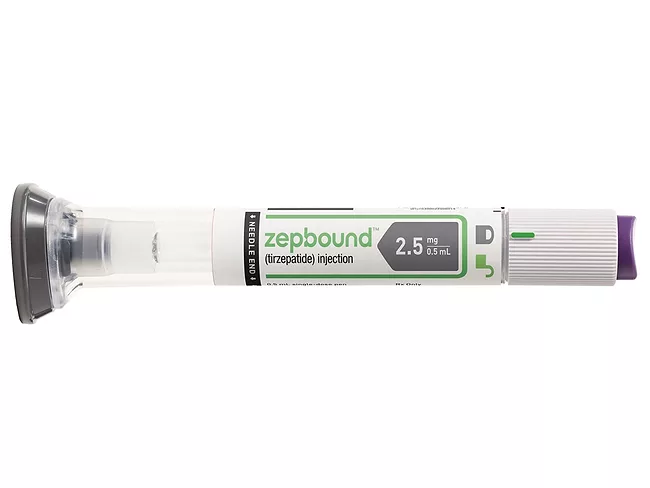
When it comes to whether Medicare Part D should cover the new anti-obesity drugs, the U.S. Centers for Medicare & Medicaid Services and lawmakers may be caught between the math and public pressure.
Biosimilars grabbed a lot of headlines in 2023, thanks to the biggest U.S. biosimilar launch to date targeting Abbvie Inc.’s mega-blockbuster Humira (adalimumab). Eight biosimilars referencing the immunology drug entered the U.S. market under licensing agreements with Abbvie. Amgen Inc.’s Amjevita led the pack with a five-month headstart in January. The others – including the first adalimumab interchangeable, Boehringer Ingelheim GmbH’s Cyltezo – launched in July.
Instead of the two-step process that’s been the typical path for interchangeables in the U.S., Amgen Inc.’s Wezlana got a green light Oct. 31 from the FDA as both the first approved biosimilar and interchangeable to Johnson & Johnson’s inflammatory disease drug, Stelara (ustekinumab).
Forget location. It’s timing, timing, timing when it comes to escaping the first round of U.S. Medicare price negotiations due to pending biosimilar competition. Under the Inflation Reduction Act (IRA), only single-source drugs that have been approved for a specific length of time are subject to the forced negotiations, which focus on drugs with the biggest Medicare spend, not necessarily the highest price tag. Since the IRA gives biologics a 12-year safe harbor from negotiations, which aligns with the biologic exclusivity provided by the Biologic Price Competition and Innovation Act, it creates a scenario in which the innovator could be facing negotiations just as its first biosimilar competition prepares to launch. That creates a lot of what-ifs.