U.S. policy, China’s strategic rise, blockbuster deals and AI dominated South Korea’s biotechnology industry this year, with U.S. tariffs and the Biosecure Act’s hitch onto 2026 legislation serving as major topics of speculation.
U.S. policy, China’s strategic rise, blockbuster deals and AI dominated South Korea’s biotechnology industry this year, with U.S. tariffs and the Biosecure Act’s hitch onto 2026 legislation serving as major topics of speculation.
“If at first you don’t succeed, try, try again” seems to be the motto of U.S. lawmakers – at least when it comes to the bipartisan Biosecure Act. After missing a ride last year in the must-pass annual defense spending bill, a version of the bill that seeks to protect the genetic data of Americans while securing U.S. pharmaceutical supply chains made it into the 2026 National Defense Authorization Act, which is now just a Senate vote away from becoming law.
“If at first you don’t succeed, try, try again” seems to be the motto of U.S. lawmakers – at least when it comes to the bipartisan Biosecure Act. After missing a ride last year in the must-pass annual defense spending bill, a version of the bill that seeks to protect the genetic data of Americans while securing U.S. pharmaceutical supply chains made it into the 2026 National Defense Authorization Act, which is now just a Senate vote away from becoming law.
Although U.S. President Donald Trump’s Oct. 1 start date for a hefty biopharma sector tariff has come and gone, the threat remains, serving as both a stick and a carrot to get drug companies to come to the table with their best deals.
Using informed consent to do what Congress couldn’t, the U.S. FDA is flexing its regulatory authority to halt clinical trials that involve sending cells from American patients to China or other adversarial nations for genetic engineering and subsequent infusion back into the patient.
Using informed consent to do what Congress couldn’t, the U.S. FDA is flexing its regulatory authority to halt clinical trials that involve sending cells from American patients to China or other adversarial nations for genetic engineering and subsequent infusion back into the patient.
The Biosecure Act may have died with the 118th U.S. Congress, but efforts to stop U.S. government funding of R&D in China are alive and well. Rep. Claudia Tenney, R-N.Y., introduced the Stop Funding our Adversaries Act in the House Feb. 7 to prohibit direct and indirect federal funding of research in China or entities owned by China.
The Biosecure Act may have died with the 118th U.S. Congress, but efforts to stop U.S. government funding of R&D in China are alive and well. Rep. Claudia Tenney, R-N.Y., introduced the Stop Funding our Adversaries Act in the House Feb. 7 to prohibit direct and indirect federal funding of research in China or entities owned by China.
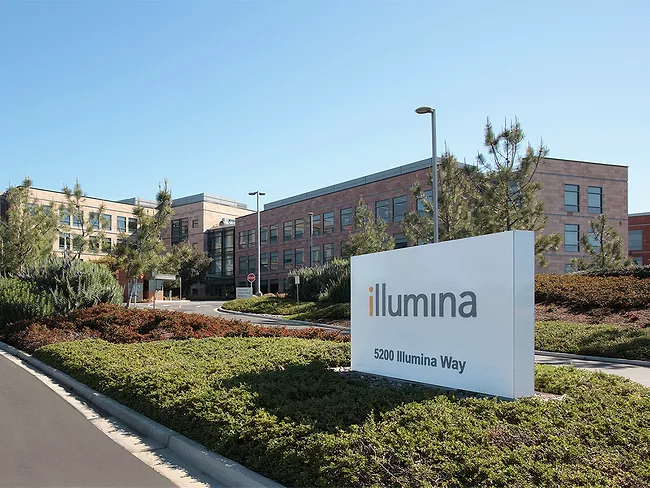
The Chinese government blacklisted several American companies, including gene sequencing-focused biotechnology firm Illumina Inc. and fashion brand PVH Corp., citing threats to China’s “national sovereignty, security and development interests.”