U.S. med-tech companies are optimistic about the year ahead and believe that they are well positioned to navigate geopolitical headwinds and the uncertainty that they bring. Their technologies, which span neurosurgery and tissue reconstruction to cardiology and radiation protection, address important clinical needs. With the major U.S. corporates accelerating dealmaking and acquisitions, these companies see strong momentum building for the year ahead.
Sometimes little things can create big problems, which seems to be the case with the recall of the power unit used with the Abbott Heartmate 3 left ventricular assist device (LVAD). According to the FDA recall announcement, the power cords used with the power supply might not stay fixed in place, which would leave the power supply with 15 minutes of backup battery runtime before depletion.
The volume of U.S. FDA warning letters to device makers oscillated significantly in recent years, but the agency posted a handful of these letters to kick off the new year. Five letters were posted Jan. 14, and dated between Dec. 6 and Dec. 19, 2024, but otherwise seem to have little in common.
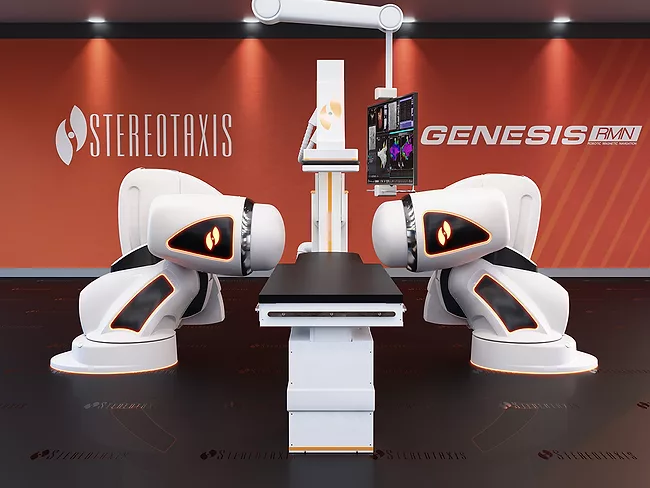
Stereotaxis Inc. recently received CE mark recertification for all its devices currently available in Europe under the new Medical Device Regulation (MDR) regulatory framework. The MDR has replaced the European Medical Device Directive and includes more stringent standards but meeting the new requirements comes with frustrations and costs for many companies.
Integra Lifesciences Holdings Corp. will not launch any new product in the EU before the U.S. because of the challenging requirements under the new Medical Device Regulation, Stuart Hart, chief medical officer at the Princeton, New Jersey-based company, told delegates at the LSX conference in London.
Integra Lifesciences Holdings Corp. agreed to acquire Acclarent Inc. from Johnson & Johnson’s Ethicon Inc. subsidiary for $275 million in cash at closing with a further $5 million contingent on achievement of certain regulatory milestones.
Some U.S. FDA inspections go better than other ones, but the agency’s inspection of the Boston plant operated by a subsidiary of Princeton, N.J.-based Integra Lifesiences Holding Corp. was not one of those with a quick resolution. The agency said in a July 17 warning letter that Integra will have to obtain certification for the site in each of the next three years after finding considerable fault with operations, including one citation the agency said is a carryover from a warning letter issued in 2019.
With many of the big names in med tech focused on streamlining their portfolios and spinning off divisions as independent companies, M&A activity sputtered through most of 2022. As the year comes to a close, however, deal volume has increased, with a strong trend toward acquisitions of closely related companies and units that bolstered higher-growth product lines and offered short cuts to filling in significant gaps in portfolios.
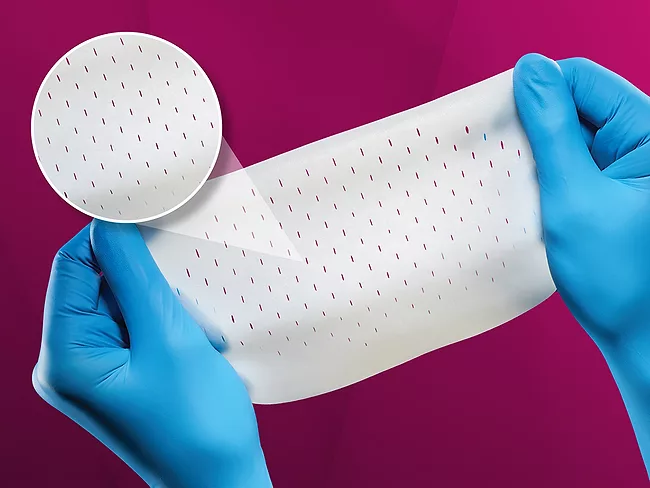
Integra Lifesciences Holding Corp. agreed to acquire Surgical Innovation Associates Inc. (SIA) in a deal that could be worth $140 million, the companies reported. Integra will pay $50 million on closing, expected by the end of the year. The company will pay an additional $90 million contingent on achievement of certain revenue and regulatory milestones through 2026.
With one-quarter of China’s population affected by rolling shutdowns, manufacturers worldwide are preparing for a summer of supply chain nightmares. Shanghai and its normally bustling port have been closed now for a month and the nation’s COVID-Zero policy is now threatening Beijing. So far, though, the med-tech industry remains minimally affected, but the coming months may tell a different story.