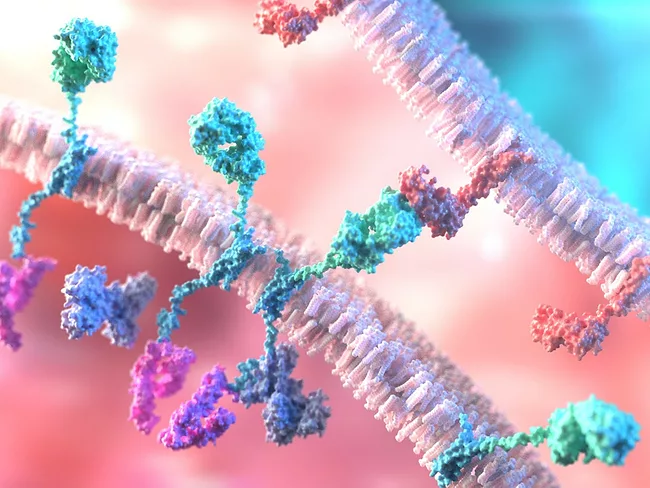
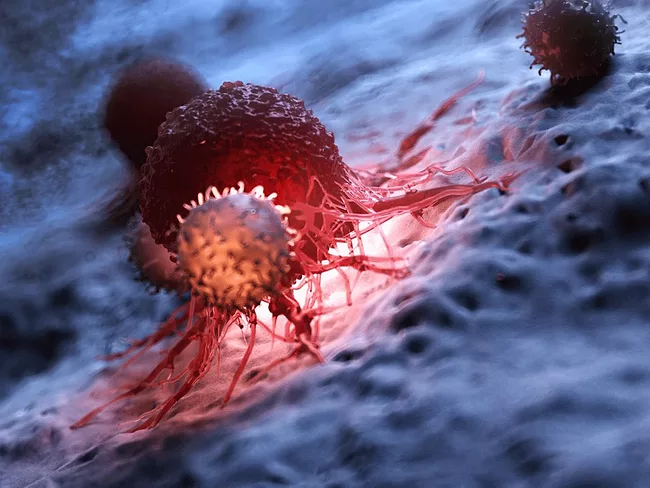
Hepatocellular carcinoma (HCC) is a fatal cancer and the third cause of cancer-related deaths worldwide. Current therapies have focused on CAR T cells for treating HCC. Glypican-3 (GPC3) is a membrane protein that is overexpressed in HCC but not in healthy adult liver tissue, thus becoming a promising therapeutic target for HCC management.
To address the various limitations of traditional CAR T therapy in autoimmune disease, Sail Biomedicines Inc. has developed an in vivo CAR T platform that enables in vivo transient programming of patient immune cells.
Frontera Therapeutics Inc. has developed FT-017, an adenovirus-associated vector(AAV)-based gene therapy that carries a human MYBPC3 optimized codon, for the treatment of hypertrophic cardiomyopathy (HCM).
Latus Bio Inc. is developing a new gene therapy, LTS-101, for the treatment of neuronal ceroid lipofuscinosis type 2 (CLN2), a form of Batten disease characterized by deficiency in the tripeptidyl peptidase 1 (TPP1) protein that leads to lysosomal dysfunction and neurodegeneration.
The lack of animal models that mimic human disease impedes the study of many pathologies that still lack treatment beyond symptom relief. This is what has happened so far with PURA syndrome, a rare disorder affecting brain development for which a mouse model has finally been developed. Other times, small and large models exist, but an effective treatment remains elusive, as is the case with Krabbe disease, a fatal disease in children that could be prevented with the advances in gene therapy.
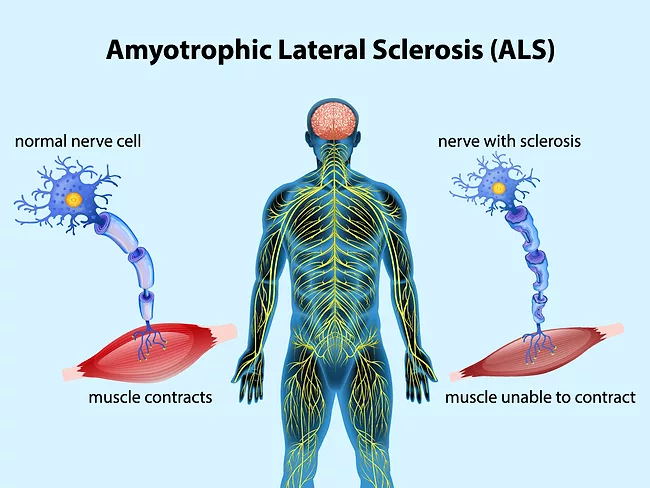
Huidagene Therapeutics Co. Ltd. has presented data for HG-303, a new CRISPR-hfCas12Max-based therapeutic approach that knocks down ATXN2 expression for the treatment of amyotrophic lateral sclerosis (ALS).
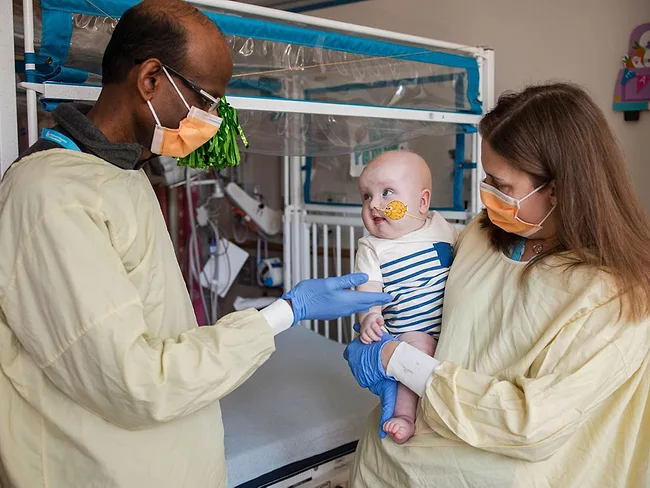
Since the development of the base and prime editing technique by David Liu at the Broad Institute, their applications in biomedicine have continued to grow, reaching 17 clinical trials for base editing and one clinical assay for prime editing. The 28th Annual Meeting of the American Society of Gene & Cell Therapy (ASGCT) marked a historic milestone this year by presenting the first case of treatment with base editors of a baby with a deadly metabolic disease.
Using a customized gene editing therapy, researchers at the Children’s Hospital of Philadelphia have reported success in treating an infant with a severe metabolic disorder. Kiran Musunuru, Barry J. Gertz Professor for Translational Research in the University of Pennsylvania’s Perelman School of Medicine, presented the case at the American Society of Gene and Cell Therapy’s 2025 annual meeting. The case study was simultaneously published in The New England Journal of Medicine.
CAR T-cell therapy for B-cell malignancies has still to be improved regarding durability, manufacturing complexity or toxicity, among others. Precigen Inc. has presented data regarding the preclinical development and efficacy of PRGN-3008, a PD-1-expression inhibitor cell therapy targeting CD19 that was built in a next-generation ultra CAR T platform.