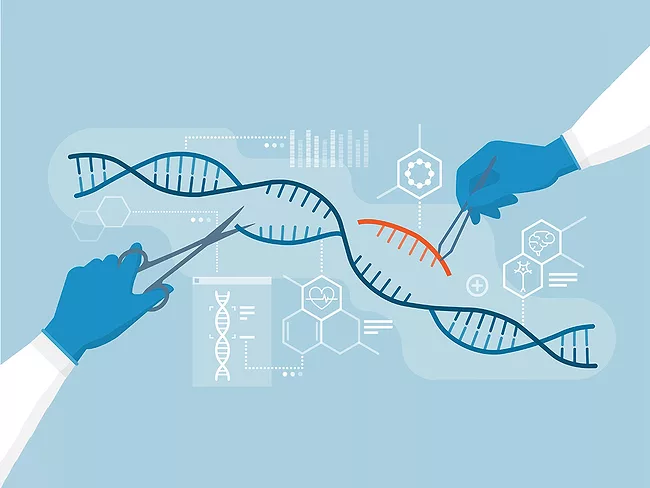
Directed evolution has become a central pillar in gene therapy. This engineering strategy enables the generation of more efficient variants of genetic editors and delivery vectors. Molecular diversification methods are increasingly sophisticated and are now accelerated by machine learning and AI tools, as showcased at the 29th Annual Meeting of the American Society of Gene and Cell Therapy (ASGCT) held in Boston this week.
For 75 years, the standard tools for autoimmune disease have consisted of steroids, cytotoxics and broad biologics that tamp down the entire immune system. They can help, but they are rarely curative. “They’re blunt instruments,” Regcell Inc. CEO Mike McCullar told BioWorld. “They can’t distinguish good immune cells and bad immune cells,” which is why many carry black-box warnings and must be taken for years, sometimes for life.
For 75 years, the standard tools for autoimmune disease have consisted of steroids, cytotoxics and broad biologics that tamp down the entire immune system. They can help, but they are rarely curative. “They’re blunt instruments,” Regcell Inc. CEO Mike McCullar told BioWorld. “They can’t distinguish good immune cells and bad immune cells,” which is why many carry black-box warnings and must be taken for years, sometimes for life.
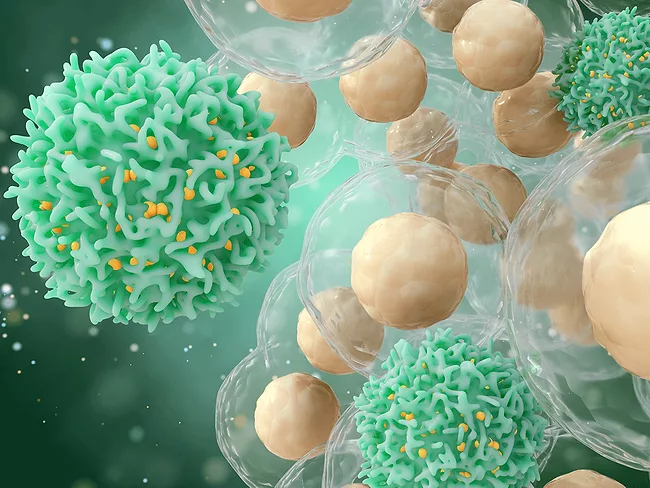
Durable reprogramming of human T cells may now be possible thanks to a new technique based on the CRISPRoff and CRISPRon methodology. Researchers from the Arc Institute, Gladstone Institutes, and the University of California San Francisco have stably silenced or activated genes in this type of immune cell without cutting or altering its DNA, making T cells more resistant, active, and effective against tumors.
Durable reprogramming of human T cells may now be possible thanks to a new technique based on the CRISPRoff and CRISPRon methodology. Researchers from the Arc Institute, Gladstone Institutes, and the University of California San Francisco (UCSF) have stably silenced or activated genes in this type of immune cell without cutting or altering its DNA, making T cells more resistant, active, and effective against tumors.
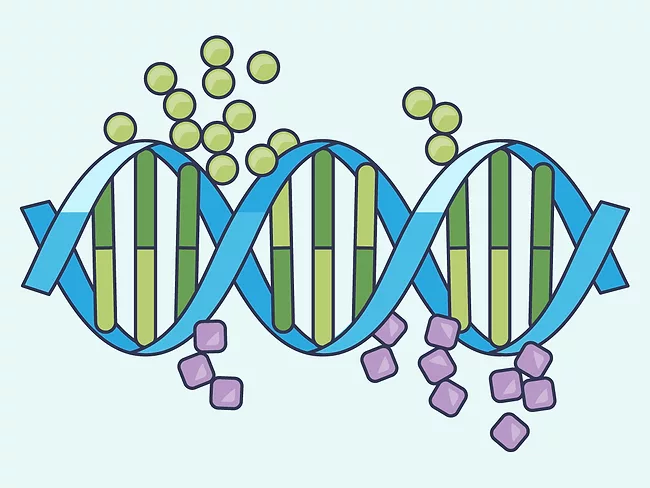
A preclinical study presented at the 32nd Annual Congress of the European Society of Gene and Cell Therapy (ESGCT), held in Seville Oct. 7-10, showed a new epigenetic editing technology that enables durable gene silencing using ELXRs, short for Epigenetic Long-Term X-Repressors. With this approach, scientists at Scribe Therapeutics Inc. successfully inhibited the expression of the PCSK9 gene, a key regulator of cholesterol metabolism, in human cells, mice and nonhuman primates.
The transition from complex and costly ex vivo strategies to platforms that enable direct cellular intervention within the body, known as in vivo therapies, is marking a paradigm change in the field of gene and cell therapies by simplifying manufacturing, improving tissue targeting and expanding clinical access to treatments.
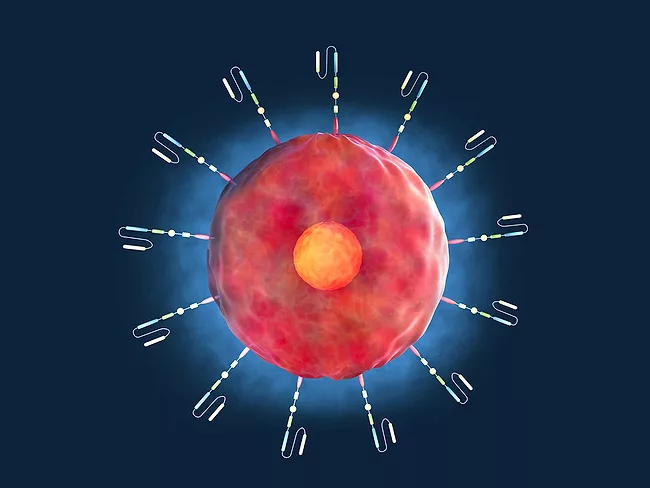
As the many challenges facing cell therapies are being addressed, the CAR T field continues to evolve beyond its original design of T cells engineered to target hematological malignancies. During the 32nd Annual Congress of the European Society of Gene and Cell Therapy (ESGCT), held in Seville Oct. 7-10, several studies showed how this technology is being redefined as programmable and adaptable immune cells with expanded functional versatility.
Two independent studies applied CRISPR-based genetic editing – one to treat leukemia and the other to target myeloma – to overcome the challenges faced by CAR T cells, such as exhaustion, impaired activation and fratricide, a phenomenon in which they attack each other.
Gene and cell therapies (GCTs) can target the kidney to treat congenital, acute or chronic diseases affecting this organ. However, its complex structure poses a challenge for these technologies. To be precise and effective in the long term, new approaches should circumvent the specificities of renal tissue, with novel methods of delivery and gene transfer to offer new therapeutic options for patients who lack them.
 RSS
RSS