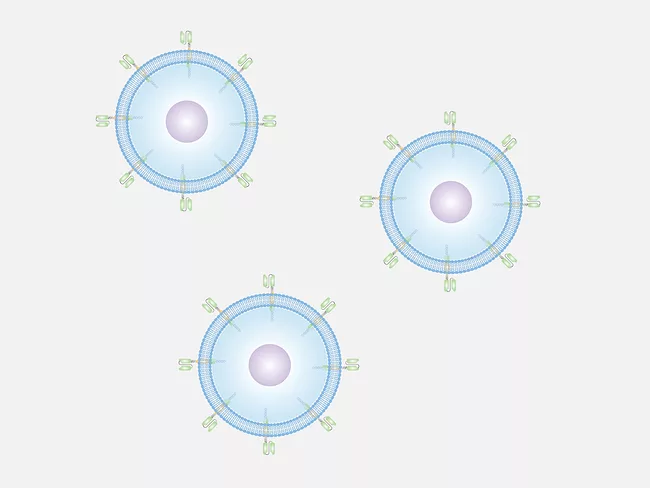
Circular RNA (circRNA) is not a new concept, but it is a novel strategy in the field of gene and cell therapy. While mRNA vaccines have revolutionized medicine, this RNA fragment without free ends surpasses their performance in both efficacy and durability, bringing it to the attention of several pioneering companies. The latest advances in circRNA presented at the 29th Annual Meeting of the American Society of Gene and Cell Therapy (ASGCT) clearly surpass the performance achieved with linear mRNA.
Parcelbio has raised $13 million in seed financing to continue its development of a new class of potent and durable mRNA medicines. The financing will support development of Parcelbio’s proprietary APEXm (Amplified and Prolonged EXpression mRNA) platform and advance its pipeline, including its lead in vivo CAR T program for autoimmune disease.
Although antibodies to PD-L1 are used in the clinic, their benefit is limited by immune exclusion within the local microenvironment. Objective response rates with anti-PD-L1 monotherapy are low due to the heterogeneity of PD-L1 expression, low tumor mutational burden and the highly immunosuppressive tumor microenvironment (TME) of cholangiocarcinoma (CCA).
The use of CAR T-cell therapy has transformed outcomes for relapsed or refractory B-cell malignancies, but access to it remains extremely limited in some countries. Cartogene Therapeutics Pvt Ltd. aimed to address this need by in-licensing CGT-19, a CD19 CAR T construct from Vector Biomed Inc.
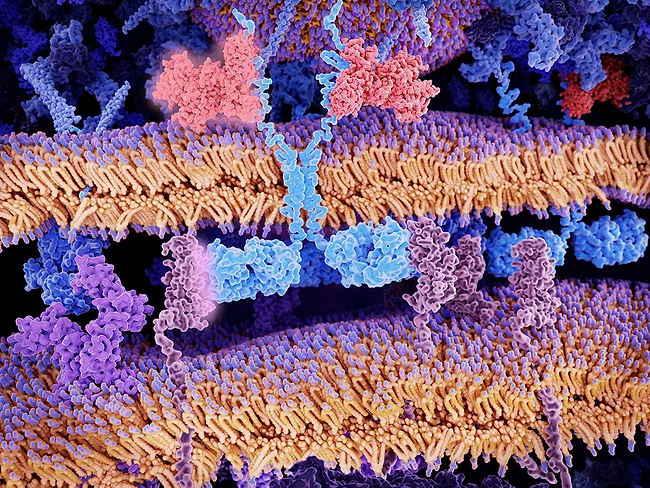
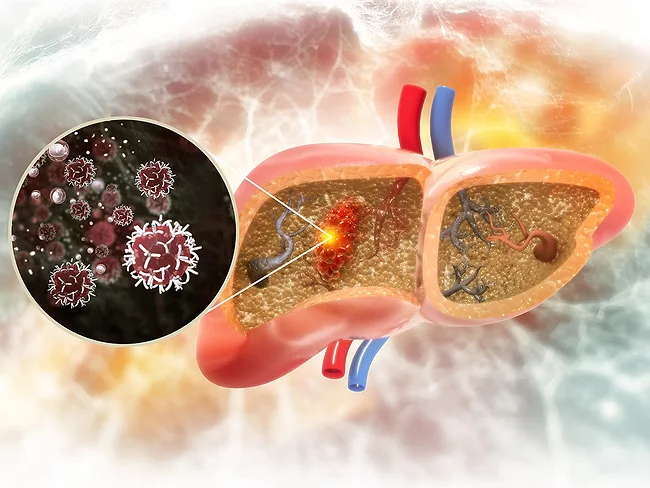
Previously, Chinese researchers used long-read RNA sequencing to identify a unique alternative splicing variant of CD44 transmembrane protein, named CD44E, which is highly expressed in hepatocellular carcinoma (HCC) tumors compared to adjacent nontumoral liver tissues. In a new study, the team analyzed the Genotype-Tissue Expression (GTEx) database and confirmed that CD44E expression is limited in essential normal organs, while CD44S standard isoform is broadly expressed on most cell types.
CAR T-cell therapy can be applied to treat some chronic infectious diseases, particularly to provide a functional cure for HIV-1 in people living with HIV. However, the effectiveness of CAR T cells for persistent suppression of HIV still faces many constraints, including the high mutation rate of reverse transcriptase, which enables the emergence of immune escape viral variants.
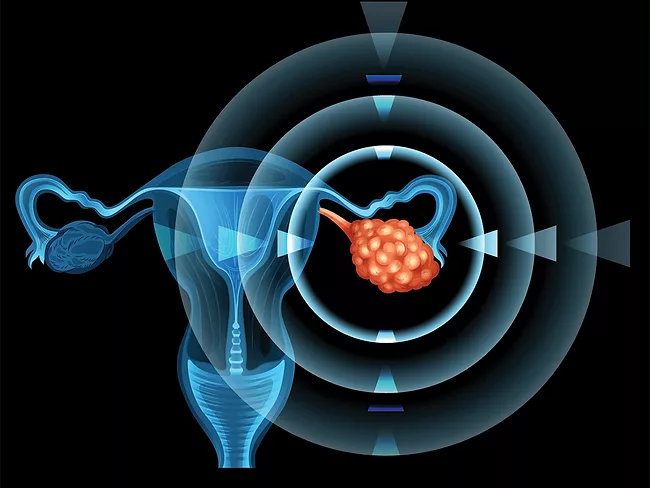
Overt Bio Inc. is advancing lead asset OVT-101 toward the clinic. The allogeneic, potential first-in-class, off-the-shelf γδ CAR T therapy targets claudin-6, which is present in the majority of ovarian cancers and several other solid tumors.
Researchers from the Sino-American Cancer Foundation and Taipei Medical University have developed a novel nanobody-based CAR T-cell platform directed against C-type lectin-like molecule-1 (CLL-1) for the possible treatment of acute myeloid leukemia (AML).
CAR T cells have been groundbreaking for the treatment of B-cell cancers. But 8 years after Kymriah (tisagenlecleucel, Novartis AG) became the first CAR T-cell therapy to be approved, there are no CAR Ts approved for solid tumors.

 RSS
RSS