Pancreatic cancer is a leading cause of cancer-related deaths worldwide and presents a 5-year survival rate of under 12%. Most patients are diagnosed at an advanced stage, with over half of them presenting with metastatic disease at diagnosis.
Avencell Therapeutics Inc. has received clinical trial clearances from the FDA and EMA to conduct a phase I/II trial (Quadvance) of AVC-203 for the treatment of relapsed or refractory B-cell malignancies.
Glioblastomas (GBMs) are the most prevalent and highly lethal primary brain tumors and currently rely on limited treatment options. Chimeric antigen receptor (CAR) T cells targeting cell-surface antigens have shown promise in GBM patients, inducing transient tumor regression. However, the lack of known tumor-restricted antigens in GBM limits further improvement of their therapeutic efficacy.
Allogeneic CAR T-cell therapy offers several advantages over an individualized autologous CAR T approach, thanks to the use of readily available, higher quality and quantity of starting donor T cells and the potential to generate multiple doses from a single manufacturing process.
For 75 years, the standard tools for autoimmune disease have consisted of steroids, cytotoxics and broad biologics that tamp down the entire immune system. They can help, but they are rarely curative. “They’re blunt instruments,” Regcell Inc. CEO Mike McCullar told BioWorld. “They can’t distinguish good immune cells and bad immune cells,” which is why many carry black-box warnings and must be taken for years, sometimes for life.
In a recent publication in iScience, researchers from Peking University First Hospital investigated the therapeutic potential of SLC7A11 CAR T therapy for solid tumors, particularly colorectal and pancreatic cancers.
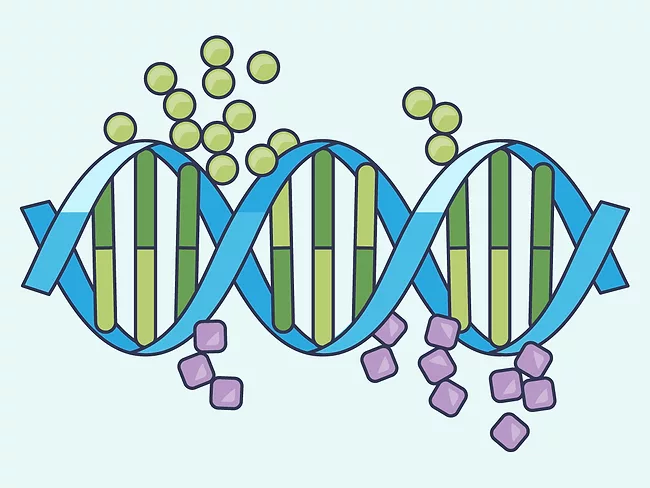
Durable reprogramming of human T cells may now be possible thanks to a new technique based on the CRISPRoff and CRISPRon methodology. Researchers from the Arc Institute, Gladstone Institutes, and the University of California San Francisco (UCSF) have stably silenced or activated genes in this type of immune cell without cutting or altering its DNA, making T cells more resistant, active, and effective against tumors.
Tr1x Inc. has obtained IND clearance from the FDA for TRX-319, paving the way for initiation of a phase I/IIa study in progressive multiple sclerosis (MS) early next year. TRX-319 is designed to combine targeted B-cell control with active anti-inflammatory signaling and T-cell regulation, with the goal of restoring immune balance.
 RSS
RSS