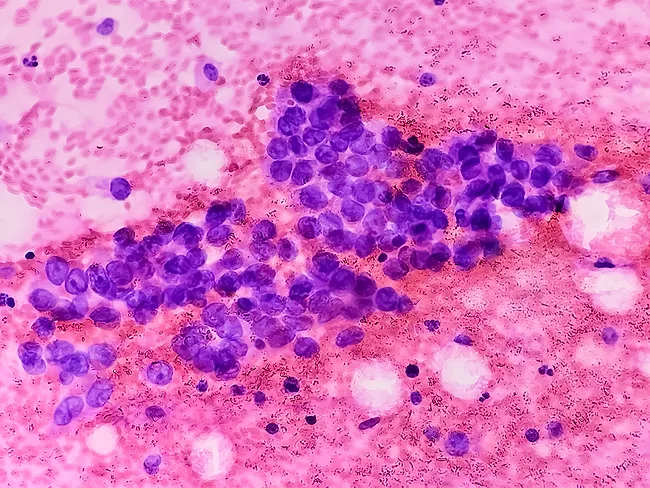
To overcome the challenges of current CAR T-cell strategies and enhance their efficacy and specificity for acute myeloid leukemia, researchers at the Sino-American Cancer Foundation and collaborating institutions have developed a nanobody-based CAR T-cell platform directed against C-type lectin-like molecule-1 (CLL-1).
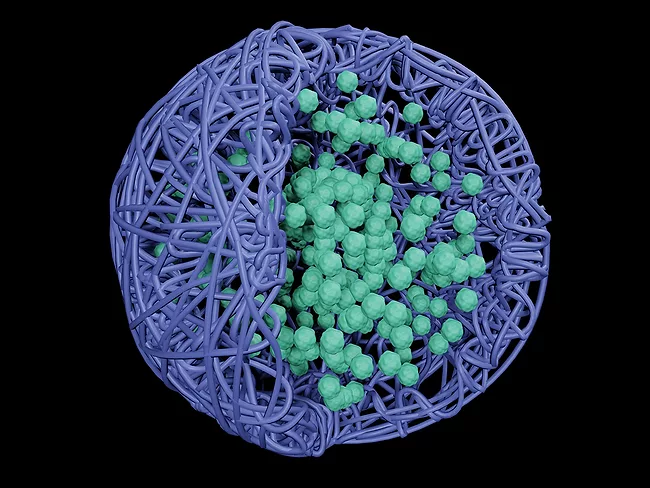
The use of DNA scaffolds could mark a turning point in HIV vaccine design. Scientists at Scripps Research and the Massachusetts Institute of Technology (MIT) have created a new vaccine platform based on DNA origami, a material that the immune system does not recognize as a threat, avoiding unwanted responses.
Toolgen Inc. has entered into a strategic cross-license agreement with Geneditbio Ltd. to jointly advance the development of next-generation in vivo genome-editing therapeutics.
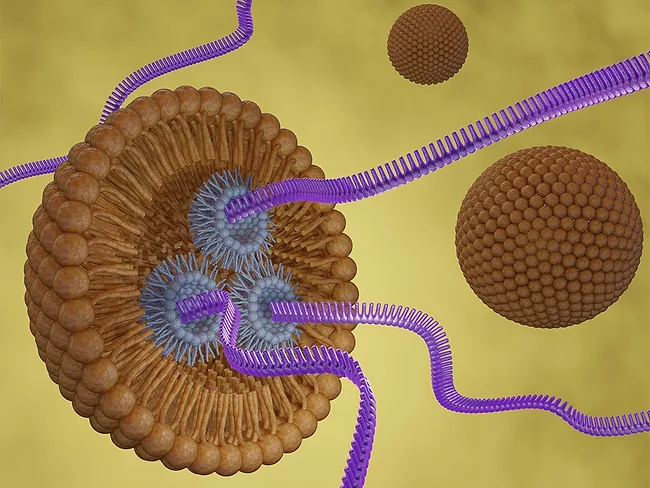
Cptx GmbH’s QUIET-CAR collaborative project with Nanocell Therapeutics Inc. has been awarded a Eurostars Grant from the EU through the Horizon Europe program and Eureka Network. The QUIET-CAR project aims to develop targeted lipid nanoparticles carrying novel immune-silent single-stranded DNA (ssDNA) for in vivo CAR T therapy.
In Parkinson’s disease, α-synuclein accumulates in neurons and may thereby contribute to their degeneration. Reducing expression of α-synuclein may be an effective therapy, but delivering short interfering RNA (siRNA) to the brain noninvasively is notoriously ineffective, in part because siRNA does not pass the blood-brain barrier efficiently.
Investigators from Abzyme Therapeutics LLC have hypothesized that inhibiting this pathway in the CNS may prevent tissue damage and cease the progression of multiple sclerosis (MS).
Researchers from Shenzhen University and affiliated organizations detailed the preclinical characterization of a synergistic intravesical instillation of fenbendazole (FBZ) and CRISPR-Cas13a-based nanoplatform as a new strategy for the treatment of bladder cancer.
A new approach against non-small-cell lung cancer (NSCLC) has combined immunotherapy with molecularly targeted therapy to activate the immune response and inhibit oncogenic pathways, which prevented tumor progression and eliminated cancer cells. Brigham and Women’s Hospital scientists have developed nanoparticles loaded with antibody conjugates that could deliver large amounts of treatment to the tumor tissue. This new strategy could improve the results of conventional immunotherapy in these patients and reduce toxicity of existing treatments.
Hudson Therapeutics Inc., a U.S. subsidiary of Shaperon Inc., has announced the signing of a memorandum of understanding (MOU) between Shaperon and Dong-A ST Co. Ltd. for the development of nanobody-based new drugs.
 RSS
RSS
.webp?height=488&t=1670008838&width=650 "Acute myeloid leukemia")