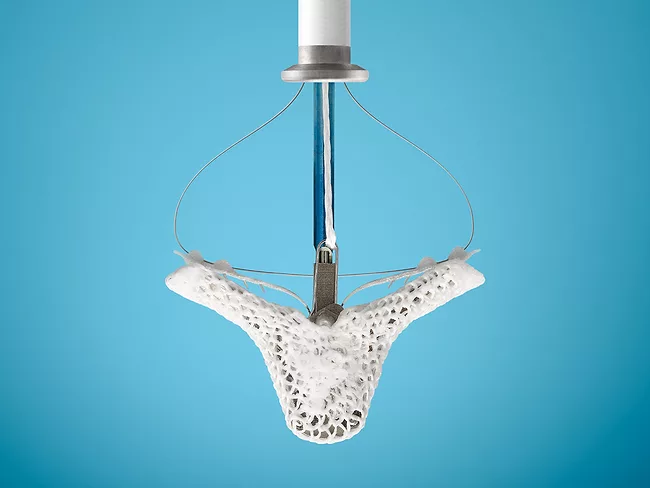
Medtronic plc’s Evolut Low-Risk trial continued to show non-inferiority of transcatheter aortic valve replacement to surgical aortic valve replacement in terms of death or disabling stroke at five years in a late-breaking presentation at the American College of Cardiology’s Annual Scientific Session in Chicago on March 30.
When every minute matters, quickly determining which patients in the emergency department need urgent care for myocardial infarction can save lives. Researchers at the University Hospital Münster in Münster, Germany, developed a deep learning model that can detect features on electrocardiograms that more accurately identifies which patients require urgent revascularization than clinicians and provides results faster than high-sensitivity troponin lab tests.
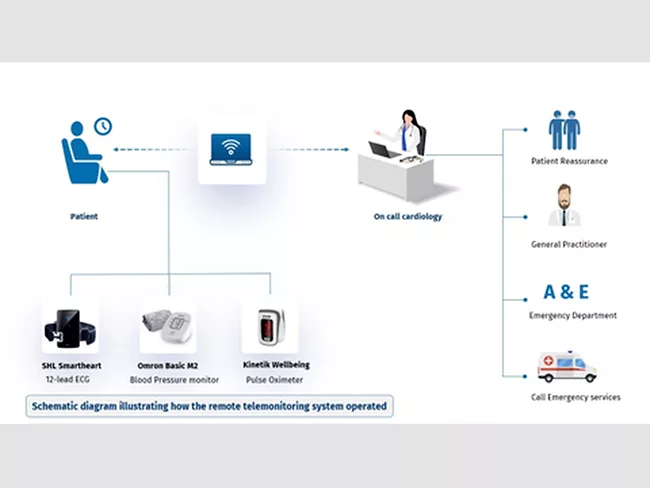
At the American College of Cardiology's (ACC) 24th Annual Scientific Session held this week in Atlanta, SHL Telemedicine Ltd. reported the full results of the Imperial College London TELE-ACS trial, the results of which were also published in the Journal of the American College of Cardiology.
Medtronic plc reported data from a head-to-head trial backing its Evolut TAVR system against competitor Edwards Lifesciences Corp.’s Sapien platform, and the data showed particular promise of the Evolut in patients with a small aortic annulus, which would appear to be most beneficial for women in particular.
Two research studies by Egnite Inc. presented at the American College of Cardiology Conference (ACC) could shake up the scope of how aortic stenosis (AS) is understood and treated by physicians.
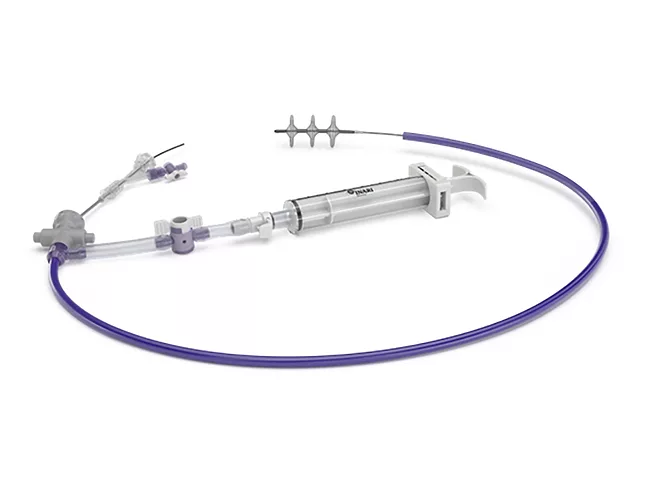
Irvine Calif.-based Inari Medical Inc. reported results from what it described as the largest prospective study of interventional treatment in high-risk pulmonary embolism (PE), which found a 90% survival improvement in high-risk pulmonary embolism using the company’s Flowtriever System. Data from the FLAME (Flowtriever for Acute Massive Pulmonary Embolism) study in high-risk PE was presented at the 2023 American College of Cardiology (ACC) conference on March 5.
Device durability for transcatheter aortic valve replacement (TAVR) devices remains topical for patients, payers and regulators, but the standard measure of 10-year data were difficult to obtain for the first decade after the FDA first approved a TAVR device in 2011.
Pulsed field ablation (PFA) may not be the final word where energy sources for atrial fibrillation (AF) ablation are concerned, but several companies have adopted development programs that propose the use of PFA as an alternative to conventional energy sources. Dublin-based Medtronic plc appears to have at least a narrow lead over the competition in the PFA space thanks to the results of the PULSED AF pivotal study presented at the 2023 American College of Cardiology Scientific Sessions.
Tricuspid valve regurgitation has lagged mitral regurgitation where device development is concerned, but new one-year data from the TRILUMINATE study of the Triclip device suggests that device therapy is safe and cuts down on regurgitation in a manner that makes the condition much more tolerable for patients. At this point, however, the data do not yet offer much difference when it comes to mortality and rehospitalization compared to medical management, a gap Abbott will have to overcome if it wants to maximize its investment in this underdeveloped area of medical technology.
Abbott Laboratories scored a major win for its Mitraclip device thanks to data from the COAPT study for secondary mitral valve regurgitation. The latest data from this study show a stunning difference in two-year mortality compared to maximized medical management only – 29% on the device versus 46% on medical management – but differences between the COAPT study results and outcomes seen in the MITRA-FR study will force cardiologists to dive into the data to ensure that their patient selection practices account for critical differences in the conduct of these two studies.
 RSS
RSS