Biological Dynamics Inc.’s Verita platform correctly identified 96% of patients with stage I pancreatic cancer, a study in Nature Communications Medicine demonstrated. The platform uses protein biomarkers present in extracellular vesicles and showed an overall 71% sensitivity and 99.5% specificity in pathologically confirmed stage I and II pancreatic, ovarian and bladder cancer.
Sophia Genetics SA and Realm Idx Inc. established a collaboration for co-development of new genomic applications and their commercialization. The companies hope to expand next-generation sequencing research and multimodal data streams to improve cancer diagnostics and treatment outcomes.
Prognomiq Inc. nearly doubled its fundraising to date with a new $46 million financing to further develop its multiomics platform to detect cancer and other complex diseases earlier in their development. The financing led by Bruker Corp. along with new investor Catalio Capital Management brought total funds raised $101 million since the company’s founding in 2020.
Myriad Genetics Inc. is launching a new suite of genetic tests designed for personalizing chemotherapy treatment. The Precise oncology offering includes Myriad’s precise tumor molecular profile test and two companion diagnostic tests, Mychoice CDx and Bracanalysis CDx. The company said the combination of germline, somatic and companion testing aims to maximize information for oncologists as they assign individual treatment plans. Results from each test are gathered as a single report accessed on an online portal.
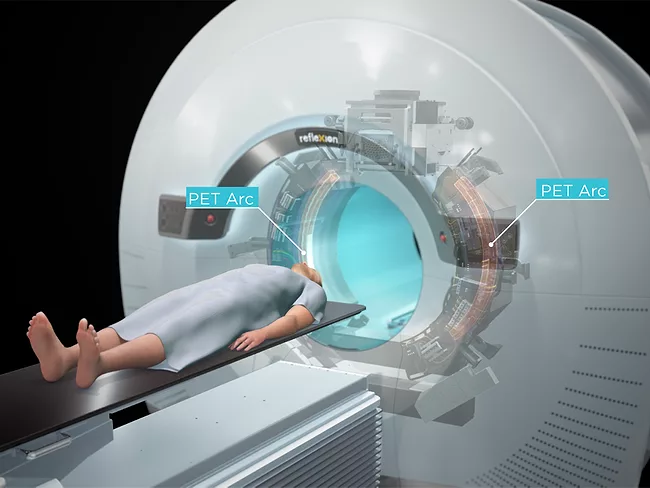
Reflecting enthusiasm for a radiotherapy that can target multiple tumors simultaneously, Reflexion Medical Inc. closed an $80 million series E fundraising round to support development of its biology-guided radiotherapy (BgRT) technology for metastatic cancer. New investors included Ascension Ventures, Catalio Capital Management LP, Sixty Degree Capital Inc. and Hillenbrand Capital Partners LLC.
Investors are backing precision medicine company Cancer IQ Inc. with $14 million to expand use of its cancer prevention platform. The series B funds will be used to scale the company’s cancer screening service among diverse, uninsured, and rural populations in the U.S.
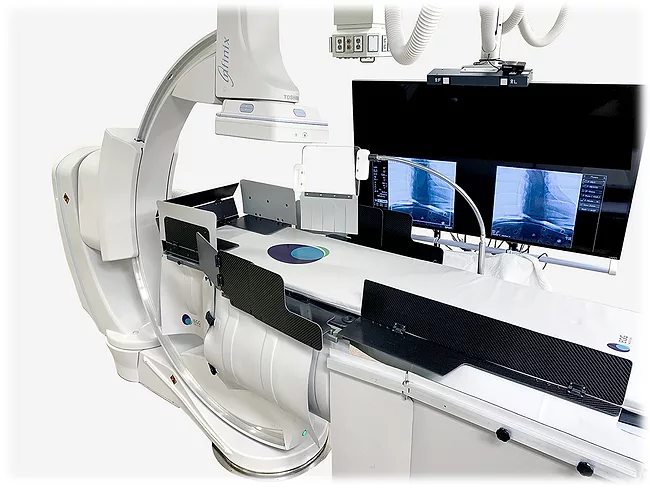
Egg Medical Inc. secured a $13 million investment from TVM Capital Life Science to solve the Humpty-Dumpty problem that plagues interventional cardiology – the scattering of radiation during X-ray guided procedures. The company’s Eggnest XR product contains the radiation using a carbon fiber platform with integrated radiation shielding that replaces the patient mattress on the X-ray table.
Chinese company Seekin Inc. is preparing to launch its cancer detection technology in Europe after securing CE marking for the Seekincare pan-cancer test. The artificial intelligence, blood-based platform uses insights from public and private data to identify cancer DNA and protein signals in the blood. The test has been available in Chinese labs since 2018.
Oxford Biodynamics plc is launching its clinical assay Episwitch CIRT in the U.S. following clinical validation that demonstrated the 3D genomic eight biomarker panel can predict a cancer patient’s response to immune checkpoint inhibitor (ICI) therapy at up to 93% sensitivity, 82% specificity and 85% accuracy. ICIs are currently used against more than 15 types of cancer but less than one in three patients show any benefit from the treatment.
PARIS – Siemens Healthineers AG has unveiled its growth plans for 2025 at its annual general meeting. The Erlangen, Germany-based medical technology giant, valued at nearly $67 billion on the Frankfurt stock exchange, is ramping growth. “We are setting ourselves the objective of annual growth of up to 8% on a like-for-like basis up to 2025, compared with a previous objective of 5%,” said Ralf Thomas, supervisory board chairman, Siemens Healthineers AG. Adjusted earnings per share should, accordingly, rise by 15% a year over that period as part of this strategic plan, compared with a target of at least 10% previously.
 RSS
RSS