Galux closed a ₩42 billion (US$29 million) series B round Feb. 10, led by Yuanta Investment to bring AI-driven “rational design” to the protein drug development process, already heavily influenced by human engineering.
Iambic Therapeutics Inc.’s multiyear technology and discovery pact with Takeda Pharmaceutical Co. Ltd. could help the San Diego-based firm advance its own pipeline in a big way.
After raising $61 million in a series B round, Vibrant Therapeutics Inc. is gearing up to begin a U.S. phase I trial with its lead program, VIB-305, a masked T-cell engager (TCE) for treating EGFR-positive solid tumors.
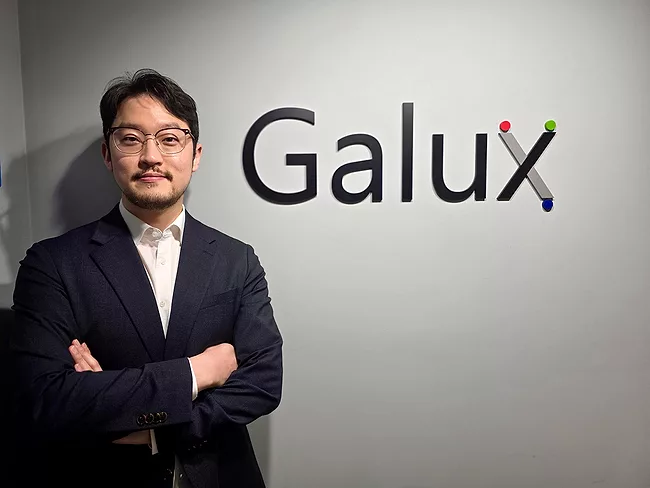
Elevar Therapeutics Inc. appointed Kim Dong-gun (DG) as CEO Jan. 29, as the company focuses on post-NDA strategies for lirafugratinib in bile duct cancer, and the twice-rejected rivoceranib-camrelizumab combination for liver cancer.
Astrazeneca plc is investing $15 billion in China through 2030 to expand R&D and manufacturing, marking one of the largest long-term investments by a multinational pharma company in the country. The U.K.-based company also struck a deal worth up to $3.5 billion with China’s CSPC Pharmaceuticals Group Ltd. to accelerate the development of next-generation therapies for obesity and type 2 diabetes.
Cancer cells expand through mutations – but not just through mutations. They also change their behavior in the absence of underlying genetic alterations. Such plasticity helps the cells both adapt to the cellular stress fueled by out-of-control growth and resist targeted and chemotherapies alike. Investigators from Memorial Sloan Kettering Cancer Center and Huazhong Agricultural University have gained new insights into the underlying mechanisms of plasticity.
Shionogi & Co. Ltd. and Fosun Pharmaceutical (Group) Co. Ltd. were involved in separate divestment transactions this week, with Shionogi buying out Pfizer Inc.’s stake in Viiv Healthcare Ltd. to lift its holding to 21.7%.
1st Biotherapeutics Inc. announced the closing of a ₩31.7 billion series D funding round Jan. 26 to advance its lead phase I oncology asset, FB-849, and portfolio of candidates for neurodegenerative diseases.
Immunofoco Biotechnology Co. Ltd. reported encouraging early clinical data for its CLDN18.2-targeted CAR T therapy, IMC-002, in heavily pretreated gastric and gastroesophageal junction cancer, adding momentum to the push to extend cellular immunotherapy into solid tumors.
As China emerges as a critical commercial market and a source of global innovation, the newly released 2026 edition of Clarivate’s Drugs to Watch report highlights six drugs to watch in the China market for the year ahead.
 RSS
RSS


-CEO-Elevar-1-30.webp?height=488&t=1769801176&width=650 "Kim Dong-gun (DG), CEO, Elevar")