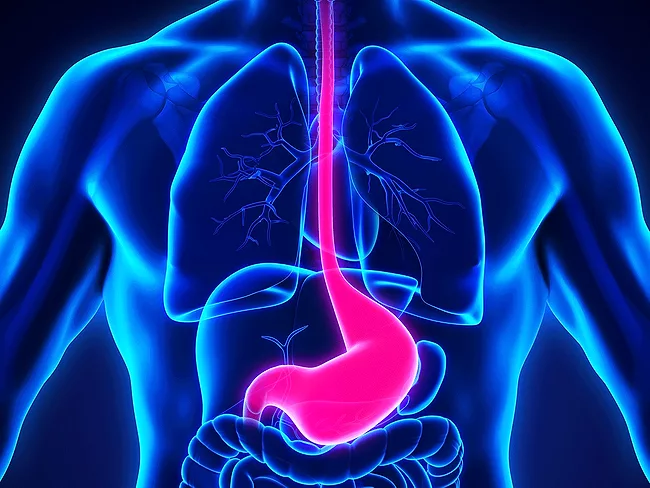
Immunofoco Biotechnology Co. Ltd. reported encouraging early clinical data for its CLDN18.2-targeted CAR T therapy, IMC-002, in heavily pretreated gastric and gastroesophageal junction cancer, adding momentum to the push to extend cellular immunotherapy into solid tumors.
As China emerges as a critical commercial market and a source of global innovation, the newly released 2026 edition of Clarivate’s Drugs to Watch report highlights six drugs to watch in the China market for the year ahead.
China’s National Medical Products Administration has accepted for review Grand Pharmaceutical Group Ltd./Telix Pharmaceuticals Ltd.’s NDA for TLX-591-CDx (Illuccix, gallium Ga 68 PSMA-11), a radionuclide-drug conjugate for diagnosing prostate cancer.
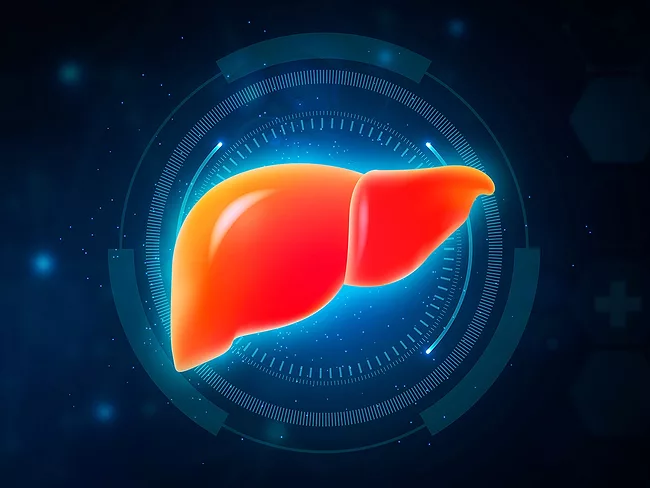
Astrazeneca plc is paying up to $630 million to acquire China rights to Abelzeta's Pharma Inc.’s C-CAR031 (AZD5851), an autologous glypican 3-targeting CAR T, securing global rights to develop, manufacture and commercialize the CAR T for liver cancer.
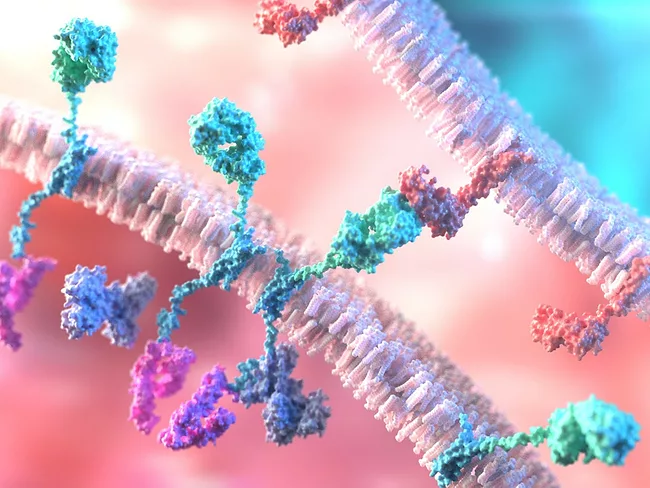
The sea anemone Stichodactyla helianthus, which carpets the Caribbean seafloor, may hold the key to eliminating the senescent cells that survive cancer therapy. A collaboration led by Spanish scientists across several international research centers has discovered a new type of toxin that selectively eliminates senescent cancer cells.
Oricell Therapeutics Holdings Ltd. announced a $70 million series C1 round to expand its global footprint and speed clinical development of its CAR T therapies. The round was co-led by Beijing Medical and Health Care Industry Investment Fund, Qiming Venture Partners and a leading global health care fund.
With rumors regarding a couple of potential mega-mergers making the rounds, the week of the annual J.P. Morgan Healthcare Conference kicked off with the official disclosure of some billion-dollar collaborations, leading with Abbvie Inc.’s exclusive licensing deal with Remegen Co. Ltd. for PD-1/VEGF-targeted bispecific antibody RC-148.
After raising $292 million in its Hong Kong IPO, AI discovery and development biotech, Insilico Medicine, signed an R&D collaboration with French pharma Servier SA valued at $888 million to discover and develop innovative oncology therapies by combining Insilico's AI-driven drug discovery platforms with Servier's global expertise in cancer drug development.
Securing a second major partnership with Sanofi SA – this time worth a potential $2.56 billion – Earendil Labs will provide its AI-driven discovery platform to find new therapeutics for autoimmune and inflammatory diseases.
Abbvie Inc. signed a $1.1 billion New Year’s Eve deal with China’s Zelgen Biopharmaceuticals Co. Ltd., gaining ex-China rights to Zelgen’s lead oncology asset, alveltamig (ZG-006), a trispecific T-cell engager targeting delta-like ligand 3. Under terms of the deal, Abbvie will pay Zelgen an up-front fee of $100 million, and Zelgen is eligible to receive $60 million in near-term milestones and could receive up to $1.075 billion in additional development, regulatory and commercial milestones, alongside tiered royalties on net sales outside China. Zelgen retains full rights in China.
 RSS
RSS