Kazia Therapeutics Ltd. raised AU$50 million (US$33.15 million) in a private placement of equity securities to advance lead candidate paxalisib, a brain-penetrant dual PI3K/mTOR inhibitor in clinical trials for brain cancer and advanced breast cancer.
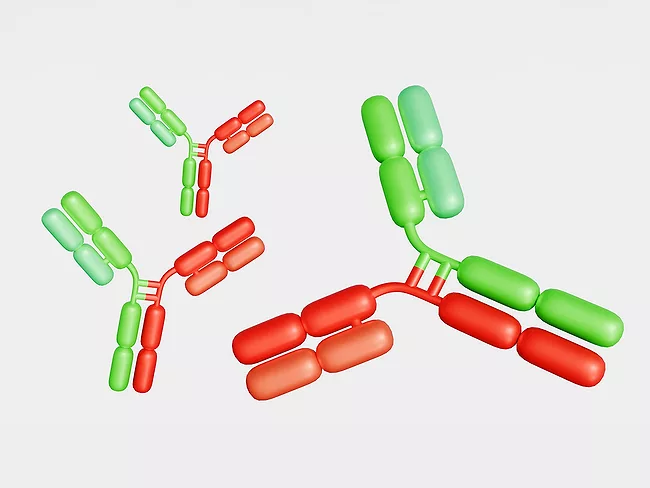
Crescent Biopharma Inc. teamed with Sichuan Kelun-Biotech Biopharmaceutical Co. Ltd. to generate “parallel” data of its PD-1/VEGF bispecific antibody, CR-001. The goal is to get 2027 readouts of the bispecific as a monotherapy and as a combination therapy with antibody-drug conjugates in both the U.S. and China.
Seventy-three pharmaceutical, biotechnology and medical device companies from mainland China filed for IPOs in Hong Kong this year, a review by BioWorld found. In the second half of 2025, 43 new securities reports were filed on the Hong Kong Stock Exchange, increasing from the 30 applications in the first half.
Immutep Ltd.’s stock surged 31% on Tuesday morning following the news that it out-licensed rights to Dr. Reddy’s Laboratories Ltd. to develop and commercialize eftilagimod (IMP-321, efti) in selected territories in a deal worth AU$528.4 million (US$349.5 million).
Australian researchers have found a drug combination that can bypass the cellular defenses in neuroblastoma that lead to relapse, and the discovery could lead to better treatment strategies for children whose cancers have stopped responding to standard chemotherapy.
Bao Pharmaceuticals Co. Ltd., a developer of subcutaneous biologic drugs, priced its IPO at HK$26.38 on Dec. 2, aiming to raise about HK$1 billion (US$128 million). Bao expects net proceeds of HK$921.5 million after expenses, which will fund its “two-anti” strategy – developing both antibody and antibiotic drugs worldwide, mainly in China, the U.S. and Europe.
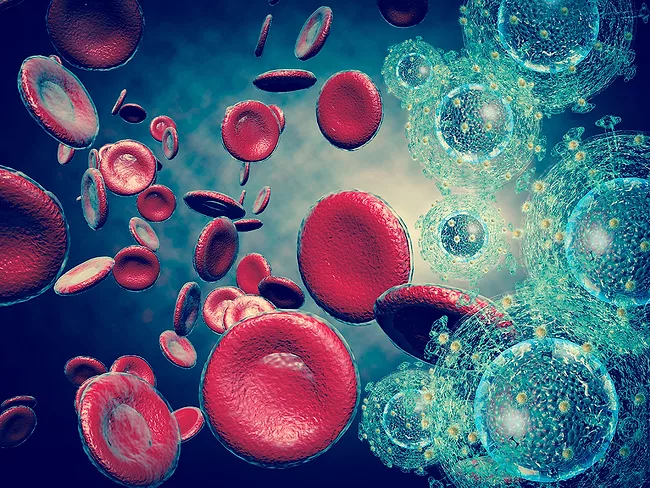
2025 has been the most challenging year in the efforts to fight HIV since at least the advent of antiretroviral therapy. In a report on “Overcoming disruption, transforming the AIDS response,” released last week ahead of World AIDS Day on Dec. 1, the Joint United Nations Program on HIV/AIDS (UNAIDS) described “a global system in shock” by sharply reduced funding from the U.S. and other wealthy nations. Scientifically, for now, progress is ongoing.
Myrio Therapeutics Pty Ltd. has been able to accomplish something no other company has yet been able to crack: to develop binders where both the affinity and the specificity can be increased.
Vigencell Inc. plans to seek conditional approval in South Korea for VT-EBV-N, an antigen-specific killer T-cell therapy for natural killer T-cell lymphoma, after gaining positive top-line data from a phase II study Nov. 25.
Two South Korean conglomerates – Samyang Holdings Corp. and Samsung Biologics Co. Ltd. – listed their newly spun-off biopharmaceutical units on Korea Exchange’s (KRX) main trading board Nov. 24.
 RSS
RSS