Treeline Biosciences Inc. has patented new tetrahydroisoquinoline heterobifunctional proteolysis targeting chimera (PROTAC) compounds comprising an E3 ubiquitin ligase-binding moiety coupled to a Bcl-2-like protein 1 (Bcl-xl; Bcl-X; BCL2L1)-targeting moiety potentially useful for the treatment of cancer.
Coultreon Biopharma BV has synthesized new macrocyclic cellular tumor antigen p53 (TP53) (Y220C mutant) stabilizers potentially useful for the treatment of cancer.
Kolon Life Science Inc. is developing KLS-3021, a next-generation oncolytic vaccinia virus designed to express the PH20, IL-12 and PD-1-Fc transgenes to mediate receptor-independent tumor cell killing and enhance antitumor immune responses.
Biomunex Pharmaceuticals SAS has entered into strategic collaborations with two AI-specialized companies – Gordion Bioscience Inc. and Tangramed Biotech SAS – as part of its strategy to integrate AI into its R&D activities and support the development of next-generation immunotherapies in oncology.
New regulations tighten regulatory oversight of China’s investigator-initiated trials (IITs) but legitimize the pathway that will be open to other modalities beyond cell and gene therapies.
The recent multibillion-dollar licensing alliance between Bristol Myers Squibb Co. and Jiangsu Hengrui Pharmaceuticals Co. Ltd is not an outlier, but rather the clearest sign yet that China’s biotech industry has entered a new phase of global influence.
Yantai New Drug Creation Shandong Laboratory has prepared and tested new heterocyclic amide compounds acting as ubiquitin carboxyl-terminal hydrolase 1 (USP1) inhibitors potentially useful for the treatment of cancer.
Convalife Pharmaceuticals Co. Ltd. has synthesized new polysubstituted aminoquinoline compounds acting as ADP-ribosyl cyclase/cyclic ADP-ribose hydrolase 1 (CD38) inhibitors potentially useful for the treatment of immunological disorders and cancer.
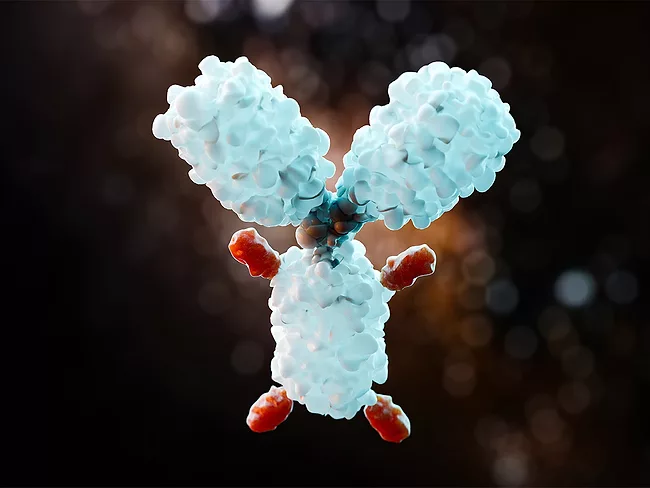
Kunshan Xinyunda Biotechnology Co. Ltd. has patented new antibody-drug conjugates (ADCs) consisting of humanized antibodies targeting disintegrin and metalloproteinase domain-containing protein 9 (ADAM9) covalently linked to a payload and potentially useful for the treatment of cancer and inflammatory disorders.

 RSS
RSS