Taxanes such as paclitaxel are among the standard chemotherapies for triple-negative breast cancer, one of the most aggressive forms of this tumor type. However, numerous processes can contribute to paclitaxel resistance. As a next-generation drug that could help overcome such resistance, researchers at six universities in China, including Ningxia Medical University, examined the crystal structure of protein arginine methyltransferase 1 (PRMT1) and developed, in silico, a pharmacophore that could bind tightly to it. PRMT1, which acts as an epigenetic regulator, is overexpressed in various cancers and its levels correlate inversely with survival.
Researchers from Chemdiv Inc. and Eilean Therapeutics LLC recently presented preclinical data on ZE77-0273, an AI-designed, reversible pan-EGFR inhibitor developed to address a key unmet need in the treatment of EGFR-mutant non-small-cell lung cancer.
Prospect Therapeutics Inc.’s PSTA-2413 is a newly developed oral pan-RAS inhibitor that demonstrates selectivity over wild-type KRAS, along with strong in vitro potency and in vivo antitumor efficacy.
The Schlafen (SLFN) family of interferon-inducible genes, involved in the regulation of immune and antiviral responses, has recently attracted attention for the development of novel anticancer therapies.
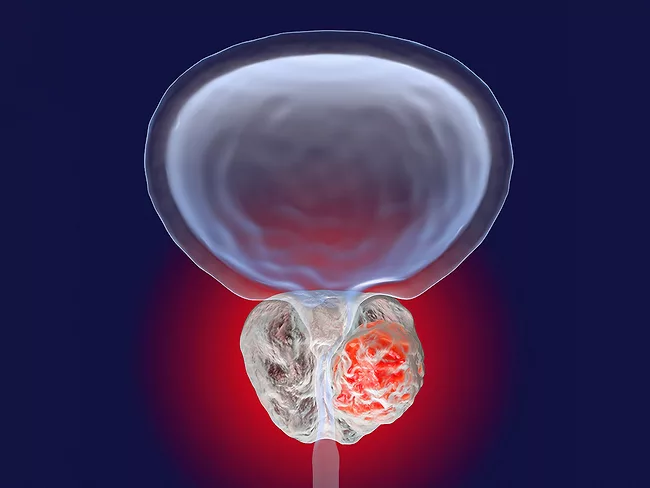
Aussie radiopharma company Advancell Co. Ltd. unveiled promising early clinical data that could redefine how advanced prostate cancer is treated by targeted alpha therapies in the radiopharmaceutical space.
Zhongshan Innovation New Drug Development Co. Ltd. has described conjugates comprising a chelating ligand moiety, a fibroblast activation protein α (FAP) ligand and integrin αvβ3 or integrin αvβ6 ligand and a linker. They are reported to be potentially useful for the diagnosis and/or treatment of cancer.
Chengdu Zeling Biomedical Technology Co. Ltd. has identified salts of deuterated compounds acting as poly(ADP-ribose) polymerase 1 (PARP-1; ARTD1) inhibitors reported to be useful for the treatment of cancer.
Simcere Pharmaceutical Co. Ltd. has synthesized proteolysis targeting chimeras (PROTACs) comprising E3 ubiquitin-protein ligands coupled to a signal transducer and activator of transcription 6 (STAT6)-targeting moiety via a linker reported to be useful for the treatment of cancer and inflammatory disorders.
Antibody-drug conjugates (ADCs) carrying topoisomerase I (TOP1) inhibitors, such as trastuzumab deruxtecan (T-DXd), have achieved notable clinical success in HER2-positive and HER2-low cancers, but their broader application is challenged by payload-related safety issues and emerging resistance.
 RSS
RSS