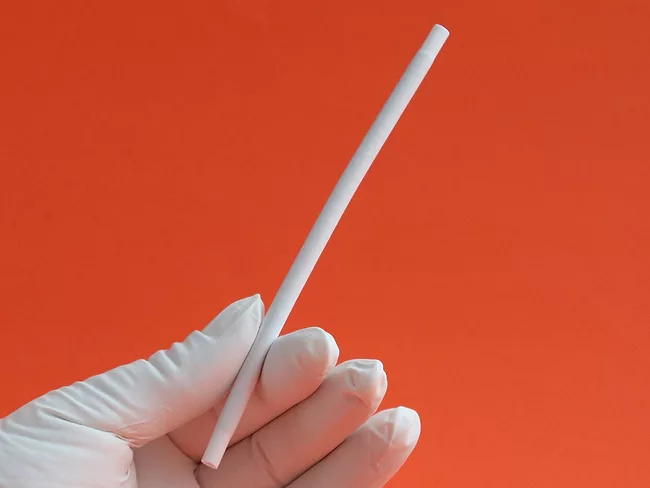
Xeltis BV secured €47.5 million in financing to help bring Axess, its vascular access conduit for hemodialysis, to the market. The funds include a venture debt package of up to €37.5 million from the European Investment Bank and €10 million from existing shareholders.
SS Innovations International Inc. is experiencing rapid growth and rising demand for its SSi Mantra 3 surgical robotic system. Its revenues are increasing, and so are installations and procedures driven by the design features and affordability of the SSi Mantra, said Sudhir Srivastava, chairman of the board and CEO of SS Innovations. “The system that we have created is, in my personal opinion, better than anything that exists out there because of its various differentiating features and cost effectiveness,” he told BioWorld.
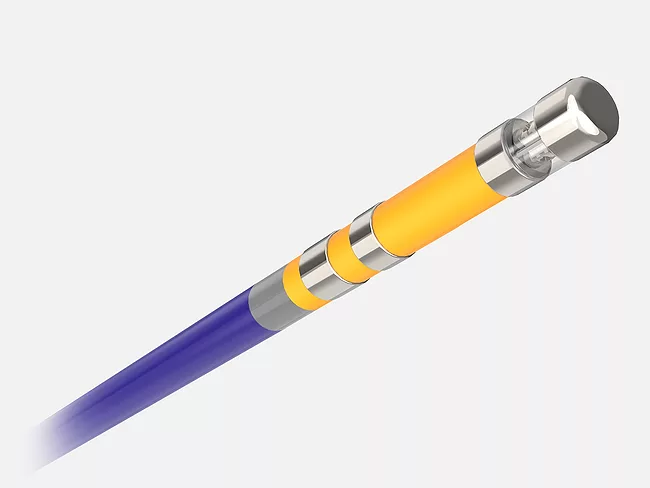
Proving its latest addition to the Farapulse pulsed field ablation (PFA) platform is no turkey, Boston Scientific Corp.'s Farapoint PFA catheter received CE mark as the U.S. celebrated Thanksgiving. Farapoint is indicated for ablation of the cavotricuspid isthmus, specifically to treat right atrial flutter.
Edwards Lifesciences Corp. released data from a health economics study done across nine countries in Europe which showed that early transcatheter aortic valve replacement in patients with asymptomatic severe aortic stenosis can deliver significant economic benefits alongside improved clinical outcomes.
The U.S. Centers for Medicare & Medicaid Services will cover certain cardiac electrophysiology procedures in ambulatory surgical centers in 2026. This change which drew the support of both the Heart Rhythm Society and the American College of Cardiology, which could increase device utilization.
The Advanced Research Projects Agency for Health (ARPA-H) is taking aim at the shortage of medical services with a program designed to foster development of micro-robots, or microbots, which will autonomously conduct part or all of a variety of surgical procedures.
Kakao Healthcare Corp. plans to secure ₩100 billion (US$68 million) through two investment deals with Cha Biomedical Group and outside investors by early next year. The transactions, expected to close by the first quarter of 2026, will make Cha the controlling shareholder of Kakao Healthcare with a 43.08% stake. Kakao Corp., the parent company, will hold 29.99%, and external investors will own 26.93%.
Archeon Medical SAS reported data from a study showing its real-time ventilation feedback device Eolife increased the survival rates of patients suffering out‑of‑hospital cardiac arrests. Furthermore, all the survivors in the Eolife group achieved full neurological recovery, three times the rate observed with conventional ventilation.
The recent strategic partnership Siemens Healthineers AG recently entered into with Boston Scientific Corp. to develop and commercialize an Acunav 4D intracardiac echocardiography catheter could drive “significant growth” for the company, Jochen Schmitz, CFO, at Siemens, told delegates at the Jefferies Global Healthcare Conference, in London.
U.S. and European organ-on-a-chip specialty biotechnology companies are driving development of organ-on-a-chip technologies, fueled by the U.S. FDA’s decision to phase out animal testing for investigational new drugs.
 RSS
RSS