Two years after the U.S. FDA approved the first pulsed field ablation system, Abbott Laboratories finally got the regulatory nod for its Volt PFA system. Abbott follows Medtronic plc, Boston Scientific Corp., Johnson & Johnson and Kardium Inc. in receiving approval for its approval for use of its PFA device to treat atrial fibrillation.
The American College of Cardiology (ACC) and the American Heart Association (AHA) issued new scientific statements advocating use of quantified coronary plaque analyses in management of patients with coronary artery disease. The statements move plaque analysis based on AI-powered coronary computed tomography angiography to a defined clinical consideration in cardiac management, up from "an emerging technology."
Ultromics Ltd. secured a strategic investment from the American Heart Association's Go Red for Women Venture Fund to advance the use of its technology to help clinicians better identify women suffering from heart failure with preserved ejection fraction (HFpEF). The condition goes undiagnosed in millions of women, who are disproportionately affected by HFpEF. Ultromics’ Echogo Heart Failure software analyzes routine ultrasound scans to quantify heart function and identify patterns that signal HFpEF.
Edwards Lifesciences Corp., of Irvine, Calif., petitioned the Centers for Medicare & Medicaid Services to revise the Medicare coverage policy for transcatheter aortic valve replacement (TAVR) devices on two points, the combination of which would make a big difference for TAVR devices across manufacturers. Edwards requested that CMS explicitly cover TAVR for asymptomatic aortic stenosis patients, a notion well supported by recent data, and bring an end to the coverage with evidence development mandate.
Management is beaming with delight at Heartbeam Inc. as the company's appeal strategy paid off with U.S. FDA clearance for its synthetic 12-lead electrocardiogram software for the assessment of arrhythmias. In November, the Santa Clara, Calif.-based company received a Not Substantially Equivalent determination from the agency on its 510(k) application, which could have substantially delayed commercialization. Following a plan disclosed Nov. 28, the company resolved the agency's issues through an appeal process and active engagement and obtained clearance much more quickly than expected.
Teleflex Inc. reported plans to sell its Acute Care, Interventional Urology and OEM businesses to two buyers for $2.03 billion. Intersurgical Ltd. will acquire the Acute Care and Interventional Urology units for $530 million. Additionally, private equity firms Montagu and Kohlberg are buying its OEM contract manufacturing business for $1.5 billion.
Levron Medical Ltd. recently exited stealth mode to advance its cardio-respiratory physiology assist technology, designed to treat heart failure by synchronizing the heart and lungs. The approach harnesses the natural ‘respiratory pump’ to assist cardiac function and create what the company claims to be a new category of heart failure treatment.
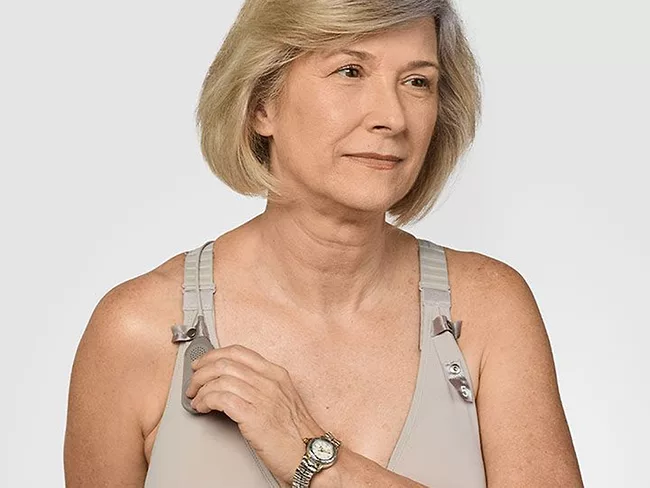
After raising more than twice as much as expected in its March IPO, Kestra Medical Technologies Inc. appears poised to repeat its success with an upsized secondary offering as well. The Kirkland, Wash.-based company initially planned to offer 5.5 million shares in its second pass at the market but increased the number of shares to 6 million two days later when it set the price at $23 per share. The projected gross proceeds of $138 million provide a nice addition to the $232 million raised nine months ago.
Xeltis BV secured €47.5 million in financing to help bring Axess, its vascular access conduit for hemodialysis, to the market. The funds include a venture debt package of up to €37.5 million from the European Investment Bank and €10 million from existing shareholders.
SS Innovations International Inc. is experiencing rapid growth and rising demand for its SSi Mantra 3 surgical robotic system. Its revenues are increasing, and so are installations and procedures driven by the design features and affordability of the SSi Mantra, said Sudhir Srivastava, chairman of the board and CEO of SS Innovations. “The system that we have created is, in my personal opinion, better than anything that exists out there because of its various differentiating features and cost effectiveness,” he told BioWorld.
 RSS
RSS